Leave Your Message

What Is a Safety Vest and Why Is It Important?

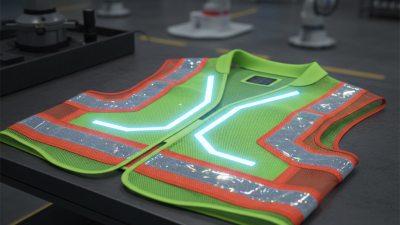
A Safety Vest is a high-visibility garment designed to help people stand out in busy or poorly lit environments. It usually combines fluorescent fabric with reflective strips that return light toward vehicle operators and equipment users. Road crews, warehouse workers, emergency responders, cyclists, and pedestrians may wear one for better visual recognition. Its value becomes clear near moving vehicles, especially at dawn, during rain, or under artificial lighting.

Visibility can prevent confusion.

However, a vest does not make anyone invulnerable. It should support, not replace, safe procedures, communication, lighting, and appropriate training. The correct vest depends on the task, work environment, weather, and expected level of visibility. A loose vest may snag on equipment, while worn reflective tape may perform poorly after repeated washing. Small details matter. Check the garment before use, keep it reasonably clean, and replace it when damage affects its appearance or function. It is easy to assume that brighter always means safer, but that idea needs careful thought. Poor fit, blocked reflective areas, or unsuitable clothing underneath can reduce its benefit. Reliable safety guidance emphasizes selecting products that meet recognized performance requirements and following workplace risk assessments. Understanding these practical limits helps users treat A Safety Vest as one part of a complete protection strategy, rather than a simple solution.

What Is a Safety Vest and Why Is It Important?

What Is a Safety Vest?

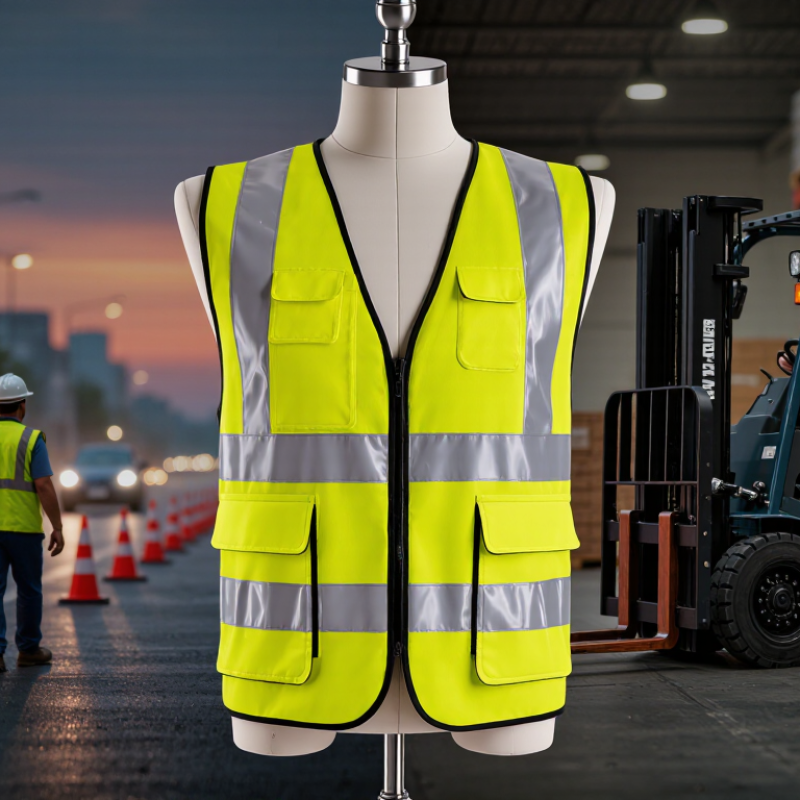
A safety vest is a wearable high-visibility garment designed to help others notice the wearer. It usually combines fluorescent fabric with reflective bands. The bright fabric helps people see the wearer in daylight. Reflective bands return light from vehicle lamps, torches, or work lights. Most vests are lightweight, allowing movement during traffic control, construction, warehouse, or roadside tasks. Some use breathable mesh, while others include pockets, closures, or weather-resistant panels. The design is simple. Its purpose is recognition, not protection from impact, heat, chemicals, or falling objects. That distinction matters.

In practical use, a vest works best when it fits closely without restricting the shoulders. Loose edges can catch on equipment, while an oversized vest may hide reflective areas. Choose a size that stays visible over the clothing you actually wear. Inspect the garment before each shift. Check for torn seams, faded fabric, dirty reflective strips, and broken fasteners. Dirt can reduce brightness, even when the vest looks acceptable from a distance. I once assumed any bright vest would provide the same visibility. That assumption was too casual. Lighting, background clutter, weather, and body position all affect how clearly a person is seen. No vest is perfect. It cannot replace safe positioning, communication, or task-specific protective equipment. It is one visible layer in a larger safety routine.

How Does a Safety Vest Improve Visibility?

A safety vest uses bright fluorescent fabric and reflective bands to make a worker easier to notice. Fluorescent yellow or orange material stands out in daylight, especially against dark equipment or gray weather. Reflective bands return light toward vehicle drivers at night. The effect is simple but valuable: drivers can detect a person’s outline, movement, and position sooner.

The U.S. Bureau of Labor Statistics reported 1,942 fatal occupational injuries from transportation incidents in 2023. This figure shows why visibility deserves serious attention around vehicles. ANSI/ISEA 107-2020 separates high-visibility apparel into performance classes, based on background fabric, reflective material, and garment design. A vest cannot prevent every collision. Visibility also depends on clean material, proper fit, lighting, and driver attention. I have seen workers wear bright vests under dusty jackets. That choice weakens the benefit.

Tips: Choose fluorescent colors for daytime work and reflective bands for low light. Keep the vest clean and replace damaged tape. Fasten it fully, without covering the reflective areas. Select the correct performance class for traffic speed, weather, and worksite conditions. Check whether tools, harnesses, or backpacks hide the vest. Small details matter.

What Is a Safety Vest and Why Is It Important? - How Does a Safety Vest Improve Visibility?
Visibility Element What It Is How It Improves Visibility Typical Use or Benefit Important Limitation
Fluorescent Background Material Bright-colored fabric, commonly fluorescent yellow-green, orange-red, or red. Creates strong contrast against many natural and built environments during daylight. Helps drivers, equipment operators, and coworkers identify a person more quickly in daytime conditions. Fluorescent colors depend on daylight or other ultraviolet-rich light and are less effective in darkness.
Retroreflective Material Reflective bands or panels that return light toward its source. Reflects vehicle headlights and work lights back toward approaching observers at night or in low-light conditions. Improves recognition of a worker’s location and body movement after dark. It requires a light source directed toward the material and may not work well when dirty, damaged, or covered.
Reflective Tape Arrangement High-visibility bands placed around the torso and, on some garments, around the arms or legs. Helps distinguish the wearer’s human shape and movement from surrounding objects. Useful around moving vehicles, mobile equipment, roadways, rail areas, and industrial sites. Loose clothing, tools, open jackets, or backpacks can interrupt the intended visibility pattern.
Contrast Between Materials A combination of bright background fabric and darker or reflective trim. Makes the vest outline easier to recognize against changing backgrounds. Supports faster visual detection in complex work areas with buildings, machinery, pavement, or vegetation. Visibility still depends on distance, weather, lighting, background, and the observer’s attention.
High-Visibility Garment Classes Performance categories defined by recognized safety standards for background and reflective materials. Provides a structured way to select garments according to traffic speed, exposure, and work conditions. Higher-risk environments generally require garments with greater visible material and more extensive coverage. The appropriate class must be selected according to the applicable workplace or road-safety requirement.
Daytime Visibility Visibility provided mainly by the fluorescent background fabric and its contrast with the surroundings. Helps separate the wearer from common daytime backgrounds. Particularly valuable for daytime roadwork, construction, warehouse operations, and outdoor maintenance. Fluorescent material does not replace lighting, warning signs, barriers, or safe work procedures.
Nighttime Visibility Visibility provided mainly by retroreflective elements when illuminated by headlights or work lights. Allows the wearer to stand out from dark surroundings when light reaches the garment. Important for night shifts, emergency response, roadside work, and low-light industrial operations. Drivers may not see the wearer if headlights are off, blocked, misdirected, or too far away.
Human-Figure Recognition Reflective bands arranged to show the torso and sometimes the limbs. Helps observers recognize that the visible object is a person rather than a sign, post, or piece of equipment. Can support better judgment by vehicle operators working near pedestrians. The vest cannot guarantee detection or prevent collisions.
Fit and Coverage A properly sized vest that remains visible over the wearer’s clothing without excessive looseness. Keeps fluorescent and reflective areas exposed and positioned correctly. Improves consistent visibility while walking, bending, or performing routine tasks. A vest that is too small, too large, open, or covered by outerwear may reduce visibility.
Cleanliness and Condition Regular inspection and cleaning of the background and reflective materials. Maintains color contrast and the light-returning performance of reflective surfaces. Supports reliable performance throughout the garment’s service life. Replace the vest when colors are severely faded, reflective areas are peeling, or fabric is torn.
Weather and Environmental Conditions Visibility affected by rain, fog, dust, snow, glare, shadows, and low illumination. High-visibility materials provide contrast but cannot eliminate reduced sight distance. Encourages additional controls such as lighting, reduced vehicle speed, barriers, and spotters. A safety vest is one part of a visibility system, not a substitute for hazard controls.
Overall Safety Function Personal protective clothing designed to make the wearer more conspicuous. Improves the chance that others will notice the wearer earlier and identify their position. Useful wherever people work near traffic, vehicles, mobile machinery, or other visibility hazards. Workers must still follow site rules, stay in designated areas, communicate clearly, and remain alert.
Key point: A safety vest improves visibility by combining high-contrast fluorescent fabric for daytime conditions with retroreflective material for low-light conditions. Selection should follow the applicable workplace and high-visibility safety requirements.

What Are the Main Types of Safety Vests?

A safety vest is a wearable garment that helps people remain visible near vehicles, machinery, and busy work areas. Its bright fabric and reflective strips catch headlights, daylight, and workplace lighting. Visibility is only one part of safety. The vest must fit correctly, stay fastened, and suit the working environment.

High-visibility vests are common on road crews, warehouse teams, and airport workers. Lightweight mesh versions allow airflow in hot conditions. Insulated vests provide extra warmth during cold outdoor shifts. Waterproof designs help protect workers during rain, although they may feel less breathable.

Utility vests include pockets for radios, markers, or small tools. Surveyor-style vests often use wider reflective bands and extra pockets for field equipment. Flame-resistant vests are made for environments where heat or sparks create a known risk. Their fabric and construction should match the site’s safety assessment.

Fit matters more than many people expect. A loose vest can catch on equipment, while a tight one may cover reflective areas. Check the stitching, closures, and reflective tape before each shift. I have seen workers choose a thick vest in hot weather, then leave it unzipped. That weakens its practical value. A mesh vest may be better, but not near every hazard. Color can also fade after repeated washing. Replace damaged or poorly visible garments. Local workplace rules and risk assessments should guide the final choice.

Where Are Safety Vests Commonly Used?

What Is a Safety Vest and Why Is It Important?

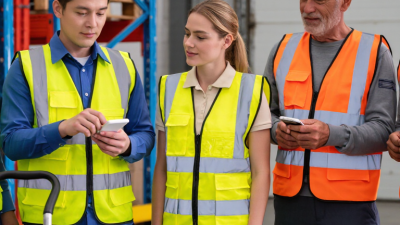
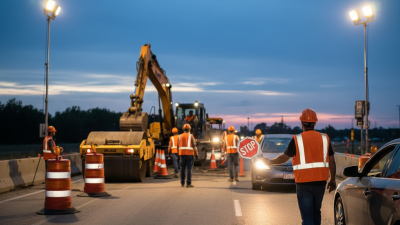
Safety vests are commonly used wherever people work near vehicles, machinery, or changing hazards. Their bright colors and reflective strips help others notice workers quickly. On road construction sites, a driver may see a vest before seeing the worker’s tools. This extra visibility can create valuable reaction time. In my experience, supervisors also use vests to identify workers, visitors, and emergency teams more easily.

Where Are Safety Vests Commonly Used?

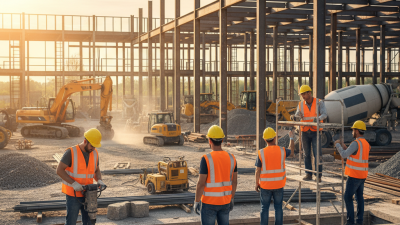
Road crews, warehouse staff, railway maintenance teams, and airport ground workers often wear safety vests. They are also useful at loading docks, parking areas, public events, and nighttime utility work. A warehouse employee may wear one while walking between forklifts. An airport worker needs clear visibility beside moving service vehicles. Crossing guards and school staff may use them near busy streets. However, a vest cannot replace training, safe distances, lighting, or proper traffic control. That is an easy mistake to make.

Tips: Choose a vest that fits comfortably over work clothing. Check that reflective strips remain clean and undamaged. Select the right visibility level for daylight, darkness, rain, or fog. Fasten every closure before entering a work area. Do not cover reflective parts with bags or equipment. Replace a vest when its color fades or the material tears. A quick inspection takes little time, but people sometimes skip it when work feels routine.

How Should a Safety Vest Be Selected and Maintained?

What Is a Safety Vest and Why Is It Important?

A safety vest makes workers easier to notice near vehicles, machinery, and dim work areas. Selecting one should begin with the actual hazard, not the lowest price. Choose bright, contrasting colors for the background. Add reflective bands when work continues at night or in poor weather. The vest should fit closely without restricting movement or covering essential clothing. Check its visibility from the front, back, and side. A loose vest may snag on equipment. A tight vest may split at the seams. Neither is acceptable.

Consider heat, rain, dust, and repeated movement before choosing the material. Breathable fabric can reduce discomfort during long shifts, while a weather-resistant layer may help outdoors. Follow the required workplace performance standard and task classification. Labels provide useful evidence, but they do not replace a practical fit check. I have seen workers choose bright vests that became hidden under backpacks or heavy jackets. That defeats the purpose. It is easy to overlook.

Maintenance should happen during routine equipment checks. Inspect reflective strips, stitching, fasteners, and stains before each use. Wash the vest according to its care instructions. Avoid harsh chemicals, excessive heat, and unapproved alterations, since they can weaken visibility materials. Hang it dry and store it away from grease, sunlight, and sharp tools. Replace the vest when it is torn, badly faded, contaminated, or no longer fits. A vest may look clean but still perform poorly. That possibility deserves attention.

What Is a Safety Vest and Why Is It Important?

A safety vest is high-visibility protective clothing designed to help workers remain visible to vehicle operators, equipment users, and other people in low-light or high-risk environments.

How Should a Safety Vest Be Selected and Maintained?

The chart compares the minimum fluorescent background material and retroreflective material areas specified for ANSI/ISEA 107-2020 high-visibility garment classes. Select the class according to traffic speed, work-site risk, background conditions, and the required distance for recognition.

  • Class 1: Suitable for lower-risk areas with slower-moving traffic and good visibility.
  • Class 2: Suitable for work near moving traffic or equipment where greater visibility is required.
  • Class 3: Provides the highest garment visibility for high-risk environments, poor visibility, or tasks requiring recognition of the whole body.
  • Inspect the vest before every use and replace it when the reflective material is damaged, the background fabric is badly faded, or the garment no longer fits securely.
  • Follow the care label, use mild detergent, avoid bleach and fabric softener, and keep the vest clean and dry so its visibility is not reduced.