Top 10 Hi Vis Jacket Options for Global Buyers to Consider?
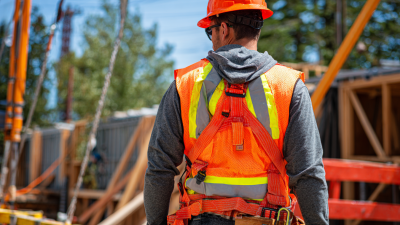
High visibility jackets, commonly known as Hi Vis Jackets, play a crucial role in worker safety across various industries. According to a report by the International Labor Organization, wearing Hi Vis clothing reduces the risk of accidents by up to 50%. Jake Thompson, a renowned safety apparel expert, emphasizes, "A worker is only as safe as the visibility of their clothing." This statement underscores the importance of quality in Hi Vis jackets.
Global buyers are faced with a plethora of options, each varying in features and standards. The effectiveness of Hi Vis jackets often hinges on factors like fabric quality, reflection technology, and comfort. A comprehensive market analysis reveals that the demand for Hi Vis jackets has surged by 30% over the past two years, reflecting an increasing awareness of workplace safety.
While many tend to focus on bright colors, the choice of a suitable Hi Vis jacket is not trivial. Some products fall short of safety regulations, which could lead to serious consequences. Personal experiences and reviews should guide buyers in selecting jackets that meet both safety and comfort needs. The right Hi Vis jacket can save lives, but discerning the best among many can be challenging and warrants careful consideration.
Top 10 Hi Vis Jacket Options for Global Buyers to Consider
When it comes to choosing a hi vis jacket, several key features should be carefully considered. Visibility is paramount. Look for jackets with bright colors and reflective strips. These elements enhance safety, especially in low-light conditions. A good hi vis jacket should also be weather-resistant. Ensuring you stay dry and warm can greatly impact comfort.
Fit is another crucial factor. Opt for jackets that allow for mobility without being overly loose. The right fit ensures you can work efficiently, whether on construction sites or during logistics operations. Some jackets have extra pockets for convenience, while others offer adjustable cuffs and hems for a customized fit.
Durability also matters significantly. Select jackets made from robust materials that withstand wear and tear. However, some products may appear durable but falter under heavy use. It's essential to read reviews and seek user experiences. With these considerations, global buyers can make informed choices, ultimately enhancing safety and comfort in various work environments.
Top 10 Hi Vis Jacket Options for Global Buyers
Understanding the Importance of High Visibility Jackets in Various Industries
High visibility jackets play a vital role in numerous industries, including construction and healthcare. According to a report from the Occupational Safety and Health Administration (OSHA), over 2.3 million workers are exposed to dangerous environments every year. These jackets enhance visibility, reducing the risk of accidents. In high-traffic areas, they can prevent up to 30% of roadwork-related accidents.
Visibility is crucial in low-light conditions. In fact, the National Institute for Occupational Safety and Health (NIOSH) suggests that wearing high visibility gear can lead to better awareness among workers. Yet, it is not solely about wearing a jacket. Proper fit and comfort significantly impact the wearer’s decision to use them consistently.
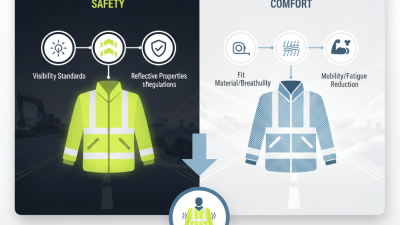
Despite the clear benefits, some workers still neglect their use. An industry survey revealed that about 15% of workers do not wear high visibility jackets due to discomfort. This gap highlights the need for manufacturers to focus on comfort, along with visibility. It's essential to strike a balance between safety and practicality to encourage compliance. The quest continues to improve designs while maintaining effectiveness in various working conditions.
Top 10 Hi Vis Jacket Options for Global Buyers to Consider
| Jacket Type |
Material |
Visibility Level |
Weather Resistance |
Industry Use |
| Class 3 Safety Jacket |
Polyester |
High Visibility |
Water Resistant |
Construction |
| Reflective Windbreaker |
Nylon |
Medium Visibility |
Windproof |
Logistics |
| High Visibility Hoodie |
Cotton Blend |
Medium Visibility |
Breathable |
Warehousing |
| Insulated Safety Jacket |
Polyester |
High Visibility |
Waterproof |
Cold Weather Work |
| Lightweight Safety Jacket |
Polyester |
High Visibility |
Water Resistant |
Road Work |
| Flame Resistant Jacket |
Aramid Fiber |
High Visibility |
Fireproof |
Oil & Gas |
| Class 2 Safety Vest Jacket |
Mesh Fabric |
Medium Visibility |
Breathable |
Event Management |
| Reflective Rain Jacket |
Polyurethane |
High Visibility |
Waterproof |
Outdoor Work |
| High Visibility Utility Jacket |
Polyester |
High Visibility |
Water Resistant |
Manufacturing |
| Customizable Hi-Vis Jacket |
Cotton/Polyester Blend |
Medium Visibility |
Water Resistant |
Various Industries |
Key Features to Look For When Selecting Hi Vis Jackets
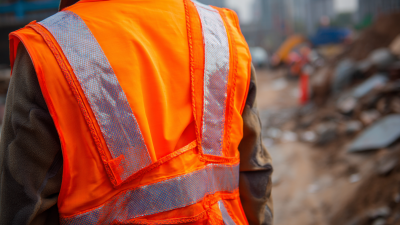
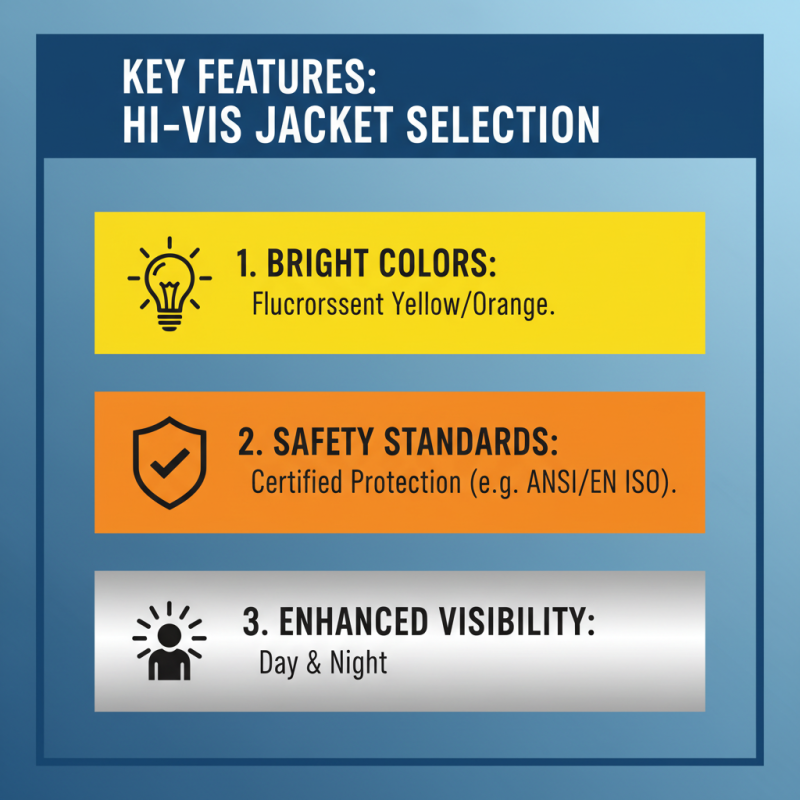
When selecting hi vis jackets, it’s essential to prioritize certain features for maximum safety. Bright colors, such as fluorescent yellow or orange, enhance visibility. Look for jackets that meet relevant safety standards. These standards ensure the product provides adequate protection in various environments.
Reflective strips are critical for low-light conditions. They improve visibility during night shifts or in poor weather. You should also check the placement of the strips. Proper positioning allows for greater reflective surface exposure. This can make a significant difference in emergency situations.
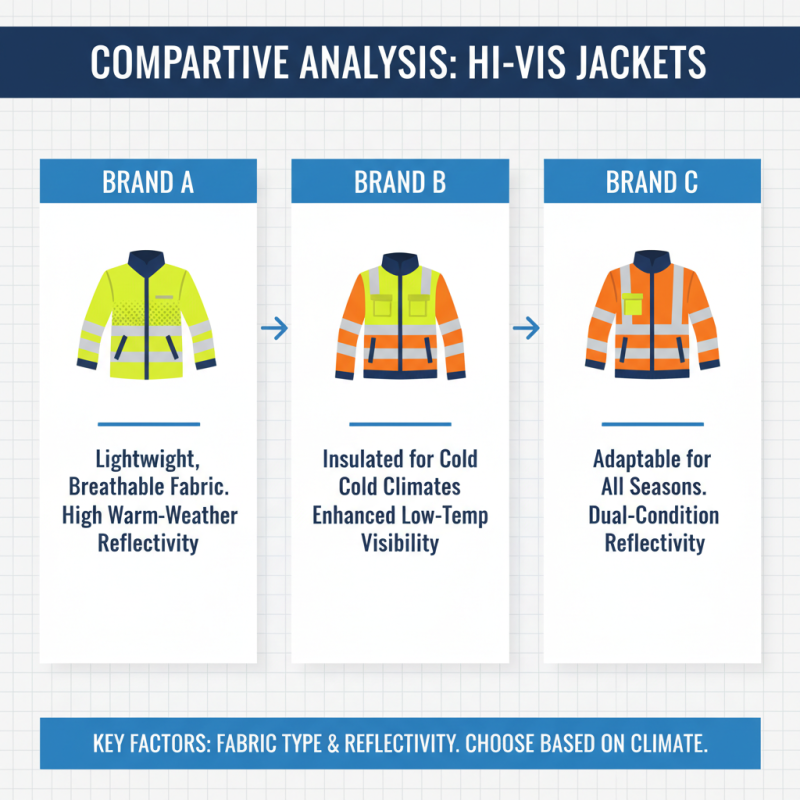
Tips: Always consider the fabric. Lightweight, breathable materials enhance comfort, especially during long hours. Waterproof options are beneficial for outdoor work, too. Adjustable features, like cuffs and hems, can help tailor the fit to your specific needs. Aim for jackets that offer both utility and comfort, accepting that there might be trade-offs. For example, a heavier jacket may provide better insulation but could impede movement. Reflect on your specific work environment to make the best choice.
Sustainability and Safety Standards in Hi Vis Jacket Manufacturing
Sustainability is becoming crucial in the manufacturing of Hi Vis jackets. The industry is under pressure to adopt eco-friendly materials. A report from the Global Textile Alliance indicates that more than 50% of consumers prioritize sustainability when purchasing workwear. This shift reflects growing awareness about environmental impact.
Safety standards in Hi Vis jackets are non-negotiable. According to ISO 20471, high visibility apparel must meet specific color and reflective material standards to ensure visibility in low-light conditions. In 2022, over 70% of workplace accidents occurred in poorly marked areas. This statistic emphasizes the role of proper visibility gear.
While many manufacturers claim compliance with safety standards, the verification process often presents challenges. Reports suggest that around 30% of products in the market fail to meet safety regulations after rigorous testing. This discrepancy highlights the need for better oversight and transparency. Connecting sustainability with compliance can improve outcomes for users and the environment.