2026 Best Hi Vis Jackets for Global Buyers to Consider?
When considering safety apparel, the demand for a quality Jacket Hi Vis is paramount. These jackets play a crucial role in ensuring visibility for workers, especially in hazardous environments. In 2026, numerous options exist for global buyers seeking the best high-visibility jackets.
Selecting the right Jacket Hi Vis is more than just about compliance with regulations. It involves assessing materials, comfort, and design. Buyers should take note of features like reflective strips and breathable fabrics that enhance both safety and comfort.
As we explore the best options, it’s essential to reflect on the evolving standards for visibility in various industries. Consumers should weigh their choices carefully. Quality should always take precedence over price to ensure maximum protection. With many brands vying for attention, it may get overwhelming. However, informed decisions can lead to selecting a jacket that not only looks good but works hard in demanding conditions.
Key Considerations for Selecting Hi Vis Jackets in 2026
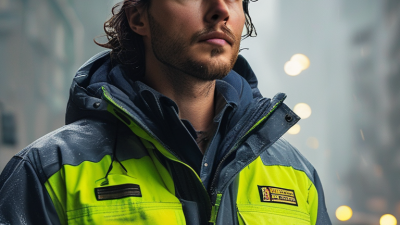
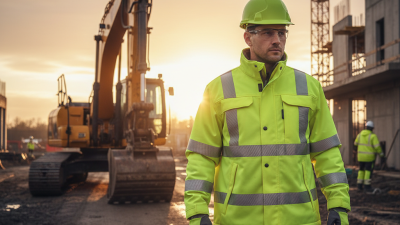
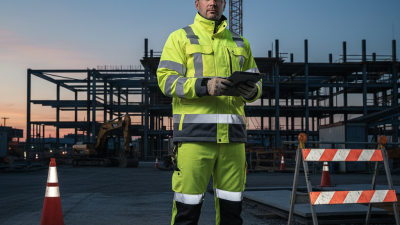
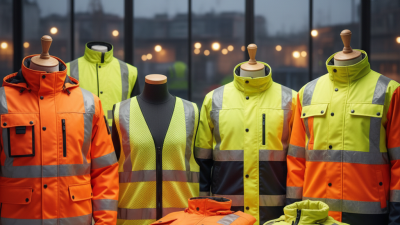
When selecting Hi Vis jackets in 2026, buyers should prioritize visibility and comfort. Bright colors like neon yellow or orange enhance visibility against various backgrounds. Reflective strips should be strategically placed to catch light at different angles. Ideal jackets combine functionality with style, making them suitable for various environments.
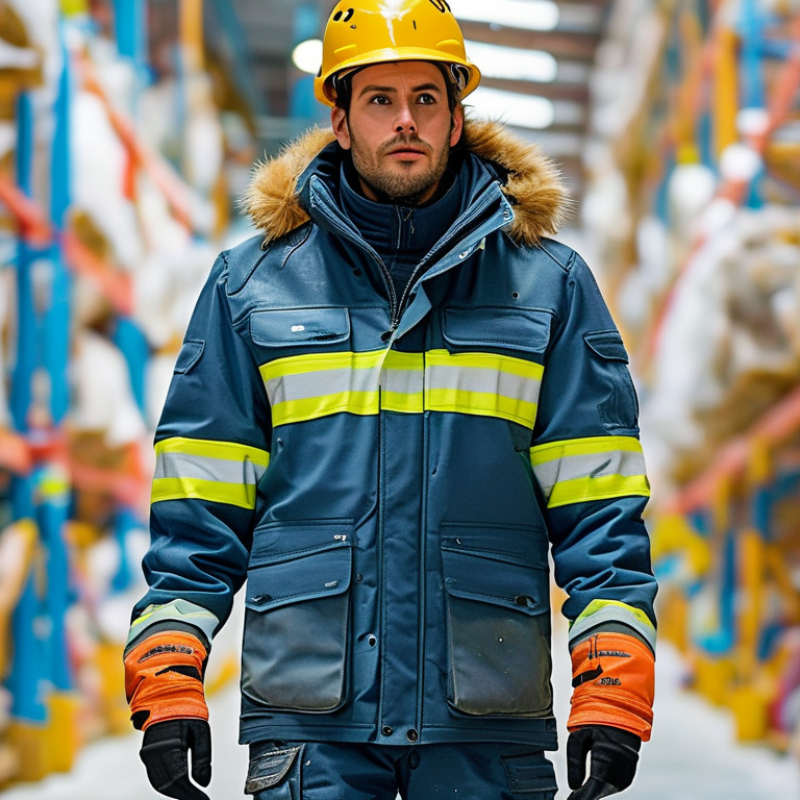
Fabric choice is crucial. Lightweight, breathable materials ensure comfort during prolonged wear. Waterproof options are valuable for wet conditions, while insulated jackets offer warmth in cold climates. The fit should allow for layering without being too bulky, ensuring freedom of movement.
Consideration of safety standards is vital. Ensure jackets meet industry regulations for visibility and safety. Certifications provide reassurance of the product's effectiveness. Pay attention to user reviews. Real-world experiences often reveal potential issues. Reflect on how the jacket will be used. The right choice enhances safety and comfort on the job.
2026 Best Hi Vis Jackets Attributes Comparison
Top Features to Look for in Hi Vis Jackets
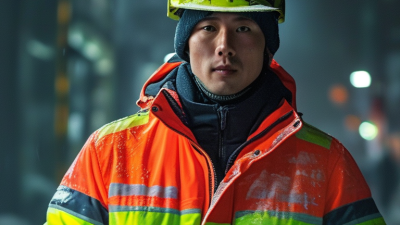
When considering high visibility (Hi Vis) jackets, certain features enhance safety and comfort. Reflective strips are essential. These strips increase visibility during low light conditions. Look for jackets with bright colors like neon yellow or orange. These colors stand out in various environments.
A vital aspect is fabric material. Breathable yet durable fabric ensures comfort during long hours. Water-resistant options keep the wearer dry in rain. A functional design is also crucial. Pockets for storing tools or personal items can be beneficial. Make sure the jacket fits well. An ill-fitting jacket can hinder movement and reduce safety.
Tips: Test jackets in real-world conditions. Ensure they allow for a full range of motion. Evaluate the stitching and overall quality. A jacket should withstand wear and tear. Always adhere to safety standards for maximum protection.
Popular Materials Used in Hi Vis Manufacturing
Hi Vis jackets play a crucial role in workplace safety across various industries. The materials used in their manufacturing significantly affect their visibility and durability. Common materials include polyester, which is lightweight and often used in high visibility fabric due to its bright colors. According to industry data, over 75% of hi vis jackets are made from polyester. This may not always be ideal for extreme weather conditions.
Another popular material is nylon. It offers greater resistance to abrasion, making it suitable for rugged environments. However, nylon may not provide the same level of breathability as polyester. Reports suggest that 60% of workers prefer garments that combine both these materials for comfort and visibility.
Reflecting on material choices, some manufacturers still prioritize cost over quality. This can lead to compromised safety features. Industry experts recommend rigorous testing for any hi vis garment. Buyers must scrutinize product specifications to ensure safety standards are met. While many brands boast high-visibility ratings, it’s essential to verify these claims. Quality materials directly correlate with worker safety, emphasizing the need for informed purchasing decisions.
Global Market Trends Influencing Hi Vis Jacket Design
The global market for high visibility jackets is rapidly evolving. Safety regulations and workplace requirements are influencing design trends significantly. Many sectors now prioritize comfort alongside visibility. This shift is essential for enhancing wearers' efficiency.
Innovation in fabric technology also plays a crucial role. Lightweight materials contribute to breathability. This evolution improves the overall experience for workers. However, not all designs balance visibility and comfort effectively. Some jackets, while brightly colored, lack functional elements. This highlights a need for continuous improvement in the industry.
Sustainability is becoming another key focus. Eco-friendly materials are gaining traction, appealing to conscious consumers. Brands increasingly aim to reduce their environmental footprint. Yet, some questions remain about durability versus sustainability. The challenge lies in developing products that don't compromise safety or longevity. Addressing these issues will be crucial for future trends.
Recommendations for Leading Brands in Hi Vis Jackets
When choosing hi vis jackets, comfort and visibility are crucial. Look for jackets made from breathable fabrics. They should keep you cool and dry while ensuring you are visible in various environments. Color matters; bright hues like fluorescent yellow or orange are often the best choices. Reflective strips enhance visibility, especially in low-light situations.
Tips: Always check for proper sizing. A jacket that's too tight can limit movement. Also, consider layering options for changing weather conditions. Your jacket should accommodate additional layers without compromising comfort.
Different industries have specific needs. Construction workers may require durable materials, while those in logistics might prioritize lightweight designs. Think about the unique hazards of your workplace when selecting a jacket. A good hi vis jacket should not only meet safety standards but also provide the flexibility to tackle your daily tasks.