What Is the Best Hi Vis Vest for Work in 2026?
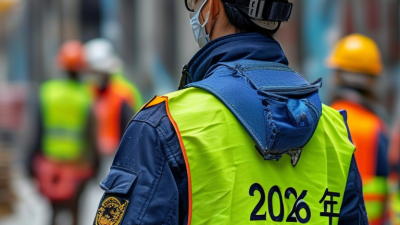
Choosing the best Hi Vis Vest for work in 2026 is not simply a matter of picking the brightest fabric. A road crew member at dawn needs different coverage from a warehouse worker near moving forklifts. Fit, reflective layout, weather, task, and compatibility with other protective equipment all matter. Visibility matters. But no vest can replace safe work practices or careful site planning.
The U.S. Bureau of Labor Statistics reported 5,283 fatal work injuries in 2023, including 1,942 deaths involving transportation incidents, in its Census of Fatal Occupational Injuries. Those figures cover many hazards and do not show that a vest alone prevents injuries. They do underline why workers near vehicles need to be seen clearly. For selection guidance, ANSI/ISEA 107-2020 sets performance requirements for high-visibility safety apparel, including garment classes and conspicuity features. Employers should match the appropriate class to the work environment and check current requirements for their jobsite.
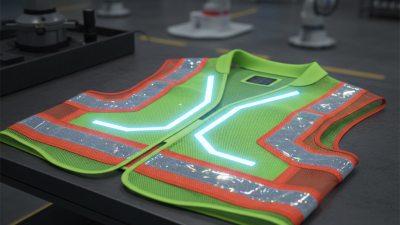
This guide compares practical features rather than relying on color or price alone. We’ll look at reflective tape placement, fabric durability, sizing over layers, pocket design, and comfort during long shifts. A vest that rides up, traps heat, or hides beneath a rain jacket may disappoint, even if its label looks impressive. That is an easy detail to overlook. Product claims also deserve scrutiny: verify certifications and care instructions, and remember that washing, abrasion, and fading can reduce visibility over time. The best choice is the one workers will wear correctly, maintain, and replace when it no longer performs.
What a Hi-Vis Work Vest Does and Who Needs One
A hi-vis work vest helps workers stand out against changing backgrounds, giving drivers and equipment operators more time to notice them. Fluorescent fabric is easier to see in daylight, while retroreflective strips return light from headlights at night. Visibility matters. The U.S. Bureau of Labor Statistics recorded 5,283 fatal work injuries in 2023; 1,942 involved transportation incidents. These figures do not measure vest effectiveness, but they show why visibility deserves attention around vehicles.
Road crews, flaggers, warehouse staff, utility workers, and others near moving vehicles or machinery may need high-visibility clothing. OSHA’s construction standard addresses warning garments for flaggers, including retroreflective clothing for nighttime work. ANSI/ISEA 107-2020 classifies high-visibility apparel by risk and visibility needs. Choose a vest that suits the lighting, background, and traffic exposure; check that reflective bands are clean and not hidden beneath tools or jackets. Fit is an easy detail to overlook. A loose vest can snag, while a vest that is too small may restrict movement. And a vest is not a substitute for safe work practices.
Which Safety Standards Apply to Work Vests in 2026
In 2026, the right work vest depends on where the job takes place and what workers face. In the United States, ANSI/ISEA 107-2020 sets performance requirements for high-visibility apparel, including garment types and visibility classes. Roadway work often calls for Type R apparel; Class 2 or Class 3 may be required, depending on the task and exposure. The 11th edition of the MUTCD specifies compliant apparel for workers in public right-of-way areas. Check the applicable rules and jobsite requirements before choosing a vest.
For European worksites, EN ISO 20471:2013+A1:2016 classifies garments by the amount of fluorescent background material and retroreflective tape. Class 3 offers the highest visibility level. A vest’s label matters, but so does fit: a loose vest can fold over reflective bands, while a jacket worn on top can hide them. Small details count.
The risk is not abstract. The U.S. Bureau of Labor Statistics reported 5,283 fatal work injuries in 2023, with 1,942 involving transportation incidents. That figure covers many types of work, not just roadside jobs, but it underscores why visibility deserves careful attention. A vest alone is not a safety plan. Inspect it for dirt, tears, and faded reflective strips, and replace it when visibility has clearly declined. The awkward part? Workers may keep wearing a vest that looks usable, even when its performance is uncertain.
How to Choose a Vest for Your Job, Risks, and Workwear
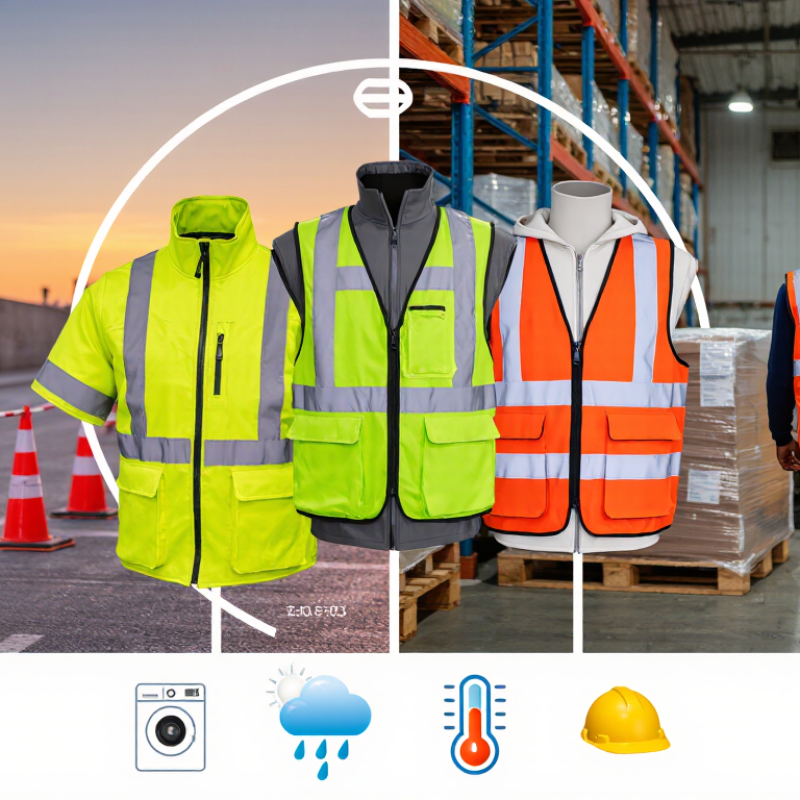
Choosing a hi-vis vest starts with the work, not the shelf. A road crew member needs different coverage from a warehouse picker near moving forklifts. Identify the main risks: traffic speed, lighting, background clutter, weather, and how close coworkers or equipment pass. Then check the site’s risk assessment and required visibility level; requirements vary by task and location.
Fit matters. A vest should stay visible over the layers you actually wear, without covering reflective bands or catching on handles and machinery. Raise your arms, bend, and turn before buying. If the hem rides up or the side fasteners open, choose another cut. For outdoor shifts, consider breathable fabric in heat and enough room for a jacket in cold weather. Visibility is not comfort.
Look at the details, too. Reflective material needs clear, uninterrupted placement, while bright background fabric should contrast with the usual setting. A vest that blends into dusty shelving or orange equipment may be less useful than expected. Check seams, closures, and care instructions, because repeated washing and abrasion can reduce performance. Replace damaged or faded garments, and ask a supervisor or safety professional when the correct type is uncertain. No vest fixes poor lighting or unsafe work practices. That part is easy to forget.
What Is the Best Hi-Vis Vest for Work in 2026?
Compare the minimum background-material area for ANSI/ISEA 107-2020 garment classes.
Class 1 is intended for lower-risk settings away from or with well-separated traffic; Class 2 offers greater visibility for work near traffic or in more complex conditions; Class 3 provides the highest visibility for higher-risk conditions. Select equipment based on a workplace hazard assessment and applicable requirements. A vest alone may not meet Class 3 garment requirements.
Source: ANSI/ISEA 107-2020 minimum background-material areas; values converted from square inches and rounded.
Comparing Vest Types, Materials, Fit, and Useful Features
Choosing a work vest starts with exposure, not color. The U.S. Bureau of Labor Statistics recorded 1,942 fatal work injuries involving transportation incidents in its 2023 Census of Fatal Occupational Injuries. That figure does not prove a vest prevents crashes, but it shows why visibility and task fit matter near moving vehicles.
ANSI/ISEA 107 class labels help compare coverage. Class 2 provides more visible material than Class 1; Class 3 provides greater coverage and includes sleeves. Match the class to site risks and work requirements. Breathable mesh suits hot, active shifts, while solid fabric can offer more wind protection. Check that reflective bands remain visible under harnesses or jackets. A loose vest may snag; a tight one can hide its panels. Pockets and radio loops are useful only when they do not cover reflective areas. That trade-off is easy to miss.
Tip: Try the vest over your usual work layers, then reach, bend, and turn. Replace it if the fluorescent fabric fades or reflective tape cracks. A vest that feels fine in the shop may fit differently outdoors.
How to Identify the Best Hi-Vis Vest for Your Workplace
Choosing the best hi-vis vest starts with the worksite, not the color.
Note moving vehicles, dim areas, weather, and nearby equipment. A vest that stands out beside a loading bay may blend into roadside glare. Check ANSI/ISEA 107 labeling for garment type and performance class, then match those details to the hazards and visibility needs identified for the job. A higher class is not automatically better if the vest restricts movement or is hidden beneath other gear.
The U.S. Bureau of Labor Statistics reported 5,283 fatal work injuries in 2023; transportation incidents were the leading event category.
That figure does not measure vest effectiveness, but it highlights why visibility deserves careful attention. Inspect the vest in the actual work setting, including under headlights or around reflective surfaces. Fit matters. Raise both arms, bend, and reach before choosing a size. Closures should stay secure, and reflective bands should remain visible when workers move. Check that fabric suits the heat, rain, and laundering routine. It is easy to overvalue bright color and overlook comfort; workers may leave an uncomfortable vest unfastened or unworn. A short wear trial can reveal problems the product label cannot.