Leave Your Message

How to Choose the Best Hi Vest Jacket for Work

Choosing the best Hi Vest Jacket starts with the worksite, not the color on a product page. A road crew member needs different coverage from a warehouse picker. Rain, low light, moving vehicles, and repeated bending all change what works. Fit matters. A jacket that rides up or hides reflective bands can undermine visibility when workers turn or reach.

The U.S. Bureau of Labor Statistics reported 5,283 fatal work injuries in 2023. Its Census of Fatal Occupational Injuries provides important context, but it does not show that a vest alone prevents injuries. For garment selection, ANSI/ISEA 107 sets performance requirements for high-visibility safety apparel, including material and design criteria. Check the garment’s stated class against the tasks and risks identified at your site. A label is useful, but it cannot replace a practical fit check.

Dr. David Michaels, an occupational health researcher and former OSHA administrator, has emphasized a central safety principle: control hazards at their source rather than relying on personal protective equipment alone. That principle matters here. A Hi Vest Jacket supports a broader safety plan; it is not a substitute for traffic controls, training, or safe work procedures. Before choosing one, test it over the clothing workers actually wear. Check whether the reflective tape stays visible under a tool belt, whether closures hold, and whether the fabric suits the weather. Small details count. And sometimes the “brightest” option is not the best one. The honest choice depends on the job, the wearer, and the conditions—details a product label cannot fully capture.
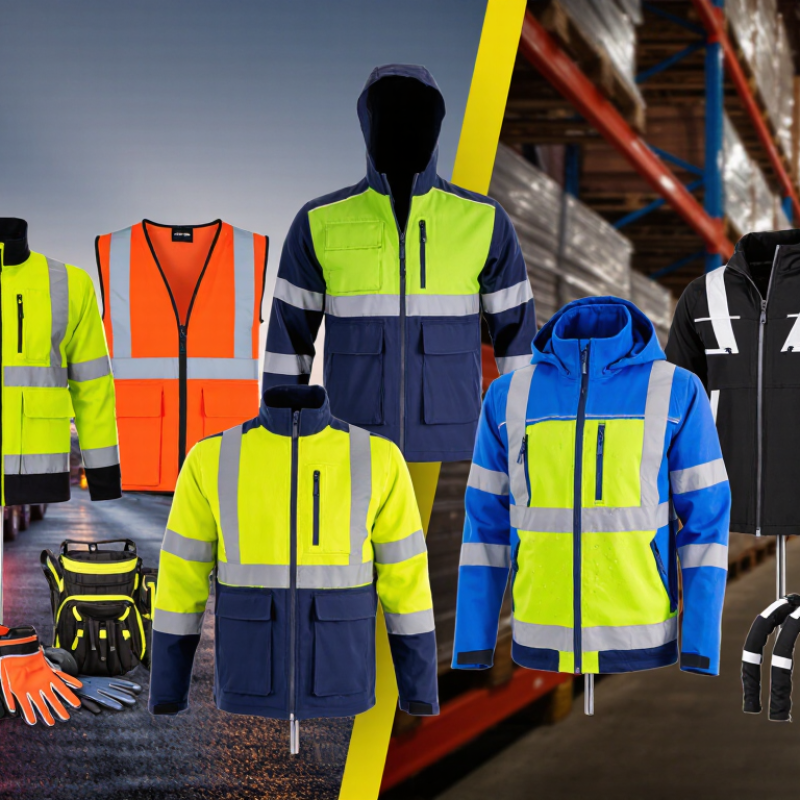
How to Choose the Best Hi Vest Jacket for Work

Assess Workplace Hazards Under OSHA 29 CFR 1910.132

Choosing a high-visibility jacket starts with a documented workplace hazard assessment, not a color preference. OSHA 29 CFR 1910.132 requires employers to assess hazards, select suitable personal protective equipment, and train workers in its use. Check where workers face moving vehicles, forklifts, or low-light conditions. Note the distance at which drivers can see them, plus weather, task movement, and whether other gear covers reflective strips. A jacket that looks bright in a store may be hard to see beneath a rain shell.

The Bureau of Labor Statistics reported 2.6 million nonfatal workplace injury and illness cases in private industry for 2023, with a rate of 2.4 cases per 100 full-time equivalent workers. These figures do not show that high-visibility clothing alone prevents injuries. They do support careful, site-specific prevention. Use the applicable ANSI/ISEA 107 garment class as a selection reference, then check fit, closure, durability, and visibility from every direction. Try it over the layers workers actually wear. Small details matter.

Tips: Walk the work area at the start of a shift. Look for glare, shadows, and blocked sightlines from a driver’s position. Record the hazards and why the chosen jacket addresses them. Reassess after tasks, traffic routes, or lighting change. A compliant-looking jacket can still be the wrong choice; that is easy to overlook.
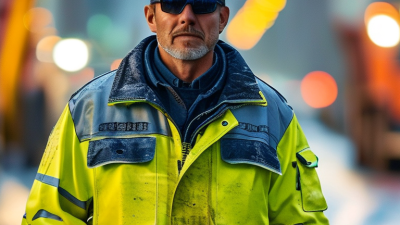
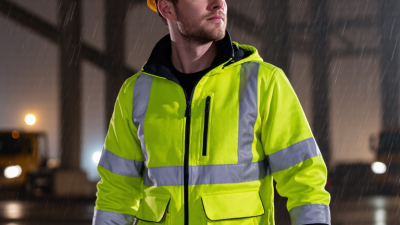
Choose ANSI/ISEA 107 Class 1, 2, or 3 for Site Risks

Choosing the right hi-vis vest starts with the hazards workers actually face. ANSI/ISEA 107 Class 1 offers the lowest level of visibility and may suit low-risk areas with slow, separated vehicle traffic. Class 2 adds visible material for workers near moving traffic or equipment, where backgrounds and sight lines can change. Class 3 provides the greatest visibility, with enhanced coverage that can include the arms and legs. A vest alone may not meet Class 3 requirements; check the garment label and site rules. These classes are not just color choices.

Look closely at the work setting: vehicle speed, distance from traffic, lighting, weather, and how long workers remain exposed. A worker beside a reversing forklift in a dim loading bay may need more visibility than someone in a controlled yard. Match the garment to a documented hazard assessment, not simply to what coworkers wear. It is easy to overestimate visibility under bright warehouse lights. Check how the vest looks at dusk, from a driver’s viewpoint, and over the clothing worn on shift. Confirm that reflective bands stay visible when the worker bends or reaches.

Tips: Read the class marking, keep reflective areas unobstructed, and inspect for dirt, tears, or worn tape. Ask the site safety lead when risks are unclear.

Compare Background Material Minimums: 217, 775, and 1,240 in²

Choosing the best hi-vis jacket starts with the required background material, not color alone. ANSI/ISEA 107-2020 sets minimum fluorescent background areas of 217 in² for Class 1, 775 in² for Class 2, and 1,240 in² for Class 3 garments. Background material is the fluorescent fabric; it is not the same as retroreflective tape. More fabric can improve daytime conspicuity, but it does not automatically make a jacket suitable for every task. Check your site’s risk assessment and garment labeling. Small detail, big difference.

For roadside work, compare the garment class with vehicle speed, traffic volume, and distance from moving vehicles. The Federal Highway Administration’s Manual on Uniform Traffic Control Devices addresses high-visibility apparel in work zones, while ANSI/ISEA 107 provides garment performance requirements. Look for coverage that remains visible when you bend, reach, or wear a tool belt. At dusk, inspect reflective bands under a light; dirt, folds, and a radio strap can hide them. A larger jacket may feel safer, but excess fabric can snag or restrict movement. I’d check the fit in the actual layers worn on shift. Easy to overlook. Minimum area is a starting point, not a substitute for task-specific judgment.

How to Choose the Best Hi-Vis Jacket for Work

Minimum background material: ANSI/ISEA 107 garment classes specify different minimum areas of fluorescent background material: Class 1 requires 217 in², Class 2 requires 775 in², and Class 3 requires 1,240 in². Choose a garment class that meets the visibility requirements for your work environment.

Check Jacket Fit, Coverage, and Weather Protection

A good hi vest jacket should sit comfortably over the clothes you wear on shift. Try it with your usual layers, then reach forward, bend, and lift your arms. The hem should stay near your waist, and the shoulders should not pull. Loose fabric can snag; a tight fit can restrict movement. Check that reflective bands remain visible when the jacket is zipped and pockets are full. It is easy to judge fit while standing still, then notice problems only after work begins.

Coverage matters in changing conditions. A longer back can help keep your lower layers covered when you bend. For rain, look for a water-resistant outer fabric and sealed or well-protected closures; no jacket stays dry forever in heavy weather. In cold conditions, leave room for a warm layer without stretching the vest. Check the care label, since harsh washing or heat may reduce visibility or damage coatings. I would not assume one jacket suits every task or season.

Tips

  • Try the jacket with gloves on, and test every zipper and pocket.
  • Check visibility from the side and back, not just the front.
  • If rain is common, inspect the hood or collar for gaps.
  • Recheck fit after adding layers; that small step is easy to skip.

Follow Care Labels and Replace Jackets When Visibility Declines

How to Choose the Best Hi Vest Jacket for Work

Follow the care label from the first wash. It may specify water temperature, detergent, drying method, and limits on ironing. Do not guess.

Heat, harsh chemicals, and rough laundering can damage reflective trim or fade fluorescent fabric. Check the jacket before each shift under bright light, then look for stains, tears, peeling tape, and dull patches.

A jacket can appear bright indoors while reflecting poorly at night. That is an easy mistake to make.

The ANSI/ISEA 107-2020 standard sets performance and labeling requirements for high-visibility apparel; use the garment’s label to guide care and replacement.

The Federal Highway Administration recorded 891 work-zone crash fatalities in 2022. This figure covers all road users, not only workers, but it underscores why visibility deserves regular attention.

Replace a jacket when reflective strips crack, detach, or no longer return light evenly, or when staining and fading remain after proper cleaning. Keep a simple wash and inspection log; it may feel fussy, but it helps spot gradual decline.

If a jacket’s history is unclear, don’t assume it is still protective. Check it against your workplace’s visibility requirements before putting it back into service.