Leave Your Message

How to Choose the Right Hi Vis Jacket for Work?

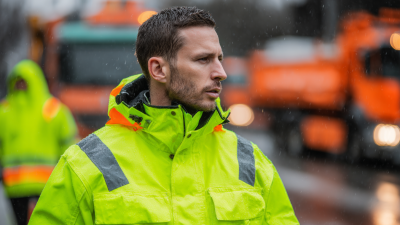
Choosing the right high visibility jacket is a practical decision, not merely a color preference. On a dark construction site, a worker may need to stand out through rain, dust, vehicle headlights, and moving equipment. The best Jacket Hi Vis should match the actual risks, weather, work pace, and visibility requirements of the job.

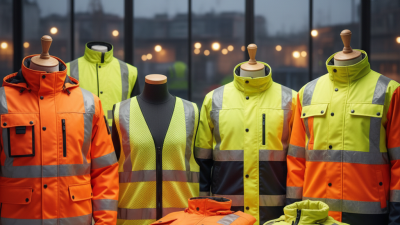
Start with the working environment. A lightweight mesh jacket may suit warm warehouse shifts, while an insulated, waterproof design offers better protection on exposed winter sites. Check the fabric, reflective tape placement, cuffs, hood, pockets, and fastening system. Small details matter. A loose hood can reduce peripheral vision. Bulky pockets may catch on machinery. Poorly positioned tape may become hidden when carrying tools.

Reliable selection also requires checking recognized performance standards, such as EN ISO 20471 or ANSI/ISEA 107, according to your region and workplace policy. These standards help assess background material and retroreflective performance, but they do not replace a site-specific risk assessment. Ask how the jacket performs after repeated washing, abrasion, and contamination. A product can look bright in a product photograph yet fade quickly in real conditions. That is an easy detail to overlook.

Personal experience should guide the final choice, but it should not be the only evidence. Consult safety professionals, employer requirements, and manufacturer care instructions. Consider fit carefully. A jacket worn open, covered by a backpack, or too tight for winter layers may provide less visible coverage than expected. There is no perfect option. The right choice balances visibility, comfort, durability, and honest awareness of how the garment will be worn every day.

How to Choose the Right Hi Vis Jacket for Work?

Understanding Hi Vis Jacket Standards and Workplace Requirements

Choosing the right hi vis jacket starts with workplace requirements, not color preference. A road worker may need a different protection level than a warehouse employee. Check the hazard assessment, work zone, lighting, traffic speed, and weather conditions before buying.

Standards help define visibility performance. In the United States, ANSI/ISEA 107 classifies garments by visibility needs and garment type. In Europe, EN ISO 20471 sets requirements for fluorescent materials and retroreflective tape. Other regions may follow different standards, such as AS/NZS 4602.1. Always confirm the rule used by your employer or local authority. A jacket should display clear compliance information from a reliable supplier.

Fit also matters. The jacket must allow movement over work clothing without hiding reflective bands. Look for sealed seams, adjustable cuffs, and insulation when rain or cold is expected. Follow the care label carefully. Dirty or damaged reflective tape can reduce visibility. I once underestimated how quickly dust affected a jacket during outdoor work. That was a useful reminder.

Tips: Ask for the required standard in writing. Check the label before purchase. Inspect tape, zippers, and fabric regularly. Replace worn garments, even when the color still looks bright. Consider supervisor feedback, because real working conditions may expose problems that a product description misses.
Choosing the Right Visibility Class for Your Work Environment

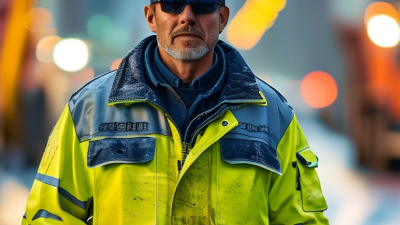
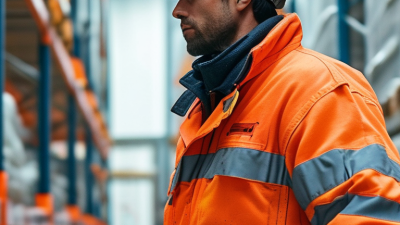
Choosing a visibility class starts with the work environment, not the jacket’s color. A bright jacket may look suitable indoors but disappear against snow, dust, or vehicle headlights. The ANSI/ISEA 107-2020 standard separates high-visibility apparel into Class 1, Class 2, and Class 3 categories.

Class 1 can suit low-speed areas with clear separation from moving vehicles.

Class 2 is more appropriate near traffic, equipment, or changing weather.

Class 3 provides the highest visibility, especially when workers face fast traffic, complex backgrounds, or poor light.

Sleeves and reflective coverage matter here. More coverage helps drivers recognize human movement.

Look at the whole shift. A worker beside a road at dusk needs different protection from someone directing forklifts inside a bright warehouse. The U.S. Bureau of Labor Statistics recorded 1,942 fatal transportation incidents in 2023, within 5,283 total fatal work injuries. High-visibility clothing cannot remove every hazard, but it can improve recognition time.

A practical inspection should check fit, reflective bands, dirt, and damage. A loose jacket can cover the reflective trim. A dirty one may lose contrast. A label is not a perfect shield.

The uncomfortable question is simple: can a driver see the worker early enough?

ANSI/ISEA 107 and FHWA work-zone guidance provide useful benchmarks, but each site still needs a documented risk assessment. Weather changes. So should the choice.

Selecting Suitable Materials for Weather and Job Conditions

How to Choose the Right Hi Vis Jacket for Work?

Selecting Suitable Materials for Weather and Job Conditions

Start with the weather, then match the jacket to your daily tasks. Fluorescent polyester works well for daytime visibility and repeated washing. However, it can feel warm when layered over thick workwear. Choose breathable mesh panels for indoor jobs or mild conditions. For rain, select a jacket with a waterproof outer layer, sealed seams, and adjustable cuffs. A water-resistant finish alone may fail during long exposure.

Tips: Check the fabric label before buying. Wear the jacket over your largest work layer. Test the hood with a hard hat. Move your arms before leaving the store. Small restrictions become frustrating during lifting or climbing.

Cold environments require insulation, but too much filling can reduce movement. Look for removable liners or layered designs when temperatures change. Windproof materials help on open roads, rooftops, and construction areas. Reflective tape should remain visible after bending, kneeling, and carrying tools. I once underestimated pocket placement; a deep pocket became uncomfortable under a tool belt. That detail still matters. Consider abrasion resistance around the shoulders and waist, especially when handling rough materials. Always compare the garment’s visibility classification with your workplace requirements and local safety guidance.

How to Choose the Right Hi Vis Jacket for Work?

Selecting Suitable Materials for Weather and Job Conditions

The chart uses a comparative suitability score from 1 to 5 based on typical characteristics of common workwear materials. PU-coated polyester is generally strongest in wet conditions, quilted polyester provides the most insulation, while breathable laminated polyester and softshell blends are better suited to active work where moisture management is important. Actual performance depends on fabric weight, garment construction, seam sealing, and insulation thickness.

Checking Fit, Comfort, Durability, and Protective Features

A suitable hi vis jacket should fit closely without restricting movement. Try it over your work layers, then reach, bend, and drive. Sleeves should cover the wrists, while the hem should not ride above the waist. Poor fit can hide reflective bands or create snagging hazards. Comfort matters during long shifts. Choose breathable fabric, smooth seams, adjustable cuffs, and ventilation openings. A heavy jacket may look protective, but workers often remove uncomfortable clothing. That defeats its purpose.

Durability deserves practical testing. Inspect stitching, zippers, and reflective tape before purchase. The U.S. Bureau of Labor Statistics reported 1,942 fatal transportation incidents in 2023. Visibility remains a serious workplace concern, especially around moving vehicles. ANSI/ISEA 107 guidance separates garments into performance classes, helping employers match visibility levels to work environments. Class 2 or Class 3 garments may suit higher-risk traffic areas, depending on the site assessment. Look for certified fluorescent background material and broad reflective bands. Check whether the fabric stays visible after repeated washing. Certification alone is not everything.

Weather protection should match actual conditions. Water resistance helps in rain, while insulation supports cold-weather tasks. Too much insulation can reduce mobility. Reflective material can also crack, peel, or collect dirt. A jacket that looks bright in the store may perform poorly after months outside. Inspect it regularly, and replace damaged sections rather than trusting appearance.

How to Choose the Right Hi Vis Jacket for Work? — Checking Fit, Comfort, Durability, and Protective Features
Selection Dimension What to Check Practical Benchmark Why It Matters Pass Indication
Workplace Visibility Applicable high-visibility clothing classification and garment coverage. Choose a garment certified to the standard required by the worksite, such as ANSI/ISEA 107 or EN ISO 20471. Select the required class or performance level based on traffic, lighting, and risk. Correct classification helps workers remain visible to vehicle operators and coworkers in daylight, low light, and illuminated conditions. Certification information is shown on the garment label and matches the employer’s safety requirements.
Body Fit Shoulder width, chest room, sleeve length, and hem position while standing and moving. The jacket should allow a normal work layer underneath without pulling across the chest or restricting arm movement. A proper fit improves mobility and reduces the chance of snagging, exposed wrists, or reduced visibility. You can raise both arms, bend, reach, and turn without the jacket riding up or opening.
Adjustability Cuffs, hem, waist, hood, and closure adjustment points. Look for secure hook-and-loop, snap, elastic, or drawcord adjustments that can be operated while wearing gloves. Adjustments help control drafts, keep rain out, and maintain a close but comfortable fit. Adjusters stay secure during movement and do not create loose loops that can catch on equipment.
Comfort and Layering Weight, lining, breathability, seam placement, and compatibility with base or mid-layers. Select insulation and lining according to the work environment; avoid excessive bulk if frequent climbing, driving, or bending is required. Comfort supports concentration and reduces overheating or fatigue during long shifts. The jacket feels comfortable during a representative work movement test and does not cause excessive heat buildup.
Weather Protection Water resistance, wind resistance, hood design, storm flap, and seam construction. For wet work, look for a stated waterproof or water-resistant performance level, covered zippers, and taped or sealed seams where appropriate. Keeping the wearer dry and protected from wind helps maintain thermal comfort and productivity. Water does not easily enter through the front closure, hood, cuffs, or major seam areas during normal use.
Reflective Material Placement, width, continuity, contrast, and condition of reflective bands or panels. Reflective elements should remain visible from the front, back, and sides and should not be permanently covered by tools, harnesses, or bags. Retroreflective material improves recognition when illuminated by vehicle headlights or other light sources. Reflective areas are intact, clean, securely attached, and visible from all required directions.
Fabric Durability Outer-shell weave, abrasion resistance, tear resistance, and reinforcement at high-wear areas. Choose a fabric weight and construction suitable for contact with tools, vehicle seats, barriers, and outdoor surfaces. Durable materials help the jacket retain protective and visual performance throughout repeated use. No loose threads, thinning fabric, damaged reinforcement, or early abrasion appears after routine inspection.
Closures and Hardware Main zipper, snaps, hook-and-loop fasteners, zipper pulls, and attachment points. Closures should open and close smoothly, remain secure during movement, and be compatible with gloves and cold-weather use. Reliable hardware maintains weather protection and prevents the jacket from opening unintentionally. All closures function without jamming, separating, or exposing sharp edges.
Pockets and Storage Number, location, closure type, capacity, and accessibility of pockets. Choose pockets that hold essential tools securely without covering required reflective areas or interfering with harnesses and seat belts. Practical storage reduces unnecessary movement and helps keep equipment readily available. Loaded pockets do not pull the jacket out of shape or obstruct visibility and movement.
Protective Features Compatibility with flame-resistant, arc-rated, chemical-resistant, cold-weather, or other task-specific protection. Use only the protective feature and certification appropriate to the identified hazard; do not assume a high-visibility jacket protects against every workplace risk. High visibility is separate from protection against heat, flame, electrical energy, chemicals, or severe weather. The garment label and documentation clearly identify the relevant hazard protection and limitations.
Movement and Safety Freedom of movement around shoulders, elbows, hips, and waist; absence of snag hazards. Test the jacket while walking, climbing steps, entering a vehicle, kneeling, and reaching overhead. A jacket that restricts movement may create additional risks and is less likely to be worn correctly. The garment stays in place, does not snag easily, and does not interfere with required personal protective equipment.
Care and Maintenance Washing instructions, drying method, chemical exposure limits, and replacement guidance. Follow the care label; avoid unauthorized bleach, harsh solvents, excessive heat, or repairs that cover reflective material. Incorrect cleaning can reduce color intensity, damage reflective performance, or weaken fabric and closures. Care instructions are clear, available to users, and practical for the workplace laundry process.
Inspection and Replacement Fading, stains, holes, tears, loose seams, damaged reflective tape, and failed closures. Inspect before each use and remove the jacket from service when damage or contamination prevents it from meeting workplace requirements. Visibility and protective performance can decline before damage is obvious to other workers. The jacket remains clean, highly visible, structurally sound, and fully functional.
Selection reminder: Always follow the site risk assessment, employer requirements, garment label, and applicable local safety standards. High-visibility performance does not automatically provide protection from heat, flame, electricity, chemicals, or other specific hazards.

Maintaining and Replacing Your Hi Vis Jacket Safely

How to Choose the Right Hi Vis Jacket for Work?

A high visibility jacket protects you only when its bright areas remain clear and undamaged.

In daily work, inspect it before each shift. Check the reflective strips, seams, zipper, cuffs, and fabric for peeling, tears, oil, or heavy dust.

Hold the jacket under strong light. Dull or cracked reflective material may not perform as expected at night. A quick check takes less than a minute.

Wash the jacket according to its care label, using mild detergent and clean water. Avoid bleach, harsh solvents, and fabric softeners, because they can weaken reflective surfaces.

Close the fasteners before washing. Air-dry the jacket away from direct heat, and never iron reflective strips unless the instructions permit it.

Store it in a dry, shaded place. Do not leave it compressed inside a damp vehicle overnight. That habit causes problems.

Replace the jacket when visibility has clearly faded, reflective strips lift, or fabric damage cannot be repaired properly.

Small stitching defects may be repairable, but repairs should not cover reflective panels or alter the jacket’s fit.

I once underestimated how quickly road dust could reduce brightness after several outdoor shifts. That was a useful reminder.

Keep a simple inspection record for shared equipment, including washing dates and visible damage.

Follow workplace guidance and the garment manufacturer’s instructions, even when the jacket still looks usable. Safety clothing can appear acceptable while performing poorly.