Leave Your Message
Choosing the right Safety Jacket begins with the worksite, not the product label. A road worker needs high visibility beside moving traffic. A warehouse employee may need lighter fabric for constant indoor movement. A winter utility crew may require insulation, waterproofing, and reflective details that remain visible after dark.
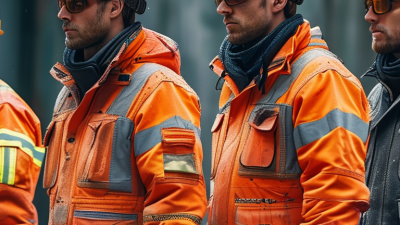
Look closely at the hazards around you. Bright orange or fluorescent yellow fabric can improve daytime visibility, while reflective tape helps headlights reveal a worker at night. Check the jacket’s size, closure system, ventilation, and pocket placement. A loose sleeve can catch on equipment. Poor ventilation can turn a short task into an exhausting shift. Small details matter.
Reliable selection also requires checking recognized performance standards and local workplace requirements. Standards such as ANSI/ISEA 107 or EN ISO 20471 may guide visibility choices, but they do not replace a site-specific risk assessment. Ask whether the jacket fits the weather, traffic speed, lighting, and daily movement involved. Ask again after a few weeks of use.
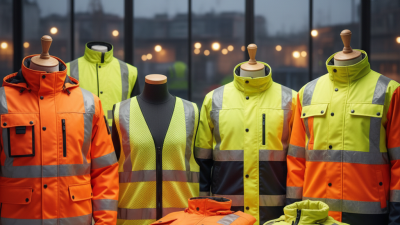
Real-world comfort is often underestimated. A jacket that looks excellent on a showroom hanger may feel heavy, noisy, or restrictive during an eight-hour shift. Try bending, reaching, climbing, and wearing the layers used at work. It should remain visible and secure. It should not become a distraction.
There is no perfect jacket.
Inspect stitching, reflective tape, zippers, and stains regularly. Follow the manufacturer’s cleaning instructions, because harsh washing can reduce visibility. Replace damaged clothing promptly. A careful choice protects more than appearance; it supports safer decisions, clearer recognition, and dependable performance when conditions change.

A suitable safety jacket must match the workplace hazard, not merely look bright. The U.S. Bureau of Labor Statistics recorded 1,942 fatal transportation incidents in 2023, making them the largest category of fatal work injuries. This supports stronger visibility controls around roads, warehouses, and moving equipment. ANSI/ISEA 107-2020 classifies high-visibility garments by risk and work environment. Choose the correct class for vehicle speed, traffic distance, and lighting conditions.
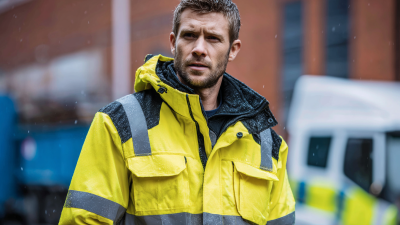
Look for a clear contrast between fluorescent background fabric and reflective bands. The jacket should fit closely without restricting movement or covering essential markings. Mesh panels can improve airflow during hot shifts, while sealed seams and adjustable cuffs help in rain. Check the label, washing instructions, and reflective surface regularly. A worn jacket can appear acceptable indoors but fail under vehicle headlights. That detail is easy to miss.
Tips: Ask workers to wear the jacket during a realistic task. Test visibility at dawn, in rain, and beside actual equipment. Keep pockets useful, but avoid bulky tools that hide reflective areas. Replace damaged material promptly. In practice, comfort is sometimes treated as secondary; that is a mistake. Workers may remove an uncomfortable jacket. Suitability includes whether they will keep wearing it. Review the choice after near misses, seasonal changes, or altered traffic routes. The first selection may not be perfect.
| Selection Dimension | Recommended Option | Suitable Workplace Conditions | Why It Matters | Important Checks |
|---|---|---|---|---|
| Visibility Requirement | High-visibility jacket with fluorescent material and retroreflective tape | Road construction, logistics yards, warehouses, airports, rail areas and low-light work zones | Helps workers remain noticeable against complex backgrounds and in changing light conditions | Confirm the garment meets the visibility standard required by the employer, site rules or local regulations |
| Traffic and Moving Equipment | A higher-visibility design with broad reflective bands and full torso coverage | Work near vehicles, forklifts, cranes, loading bays or public traffic | Improves recognition of the worker’s presence and body outline from multiple directions | Avoid designs that hide reflective areas with tools, bags, harnesses or other equipment |
| Daytime or Night Work | Fluorescent fabric for daytime visibility plus retroreflective material for darkness | Outdoor work performed during daylight, dusk, night or under artificial lighting | Fluorescent materials work best in daylight, while retroreflective materials return light toward a vehicle or lamp | Inspect reflective tape for cracking, peeling, heavy abrasion or loss of reflectivity |
| Weather Protection | Water-resistant or waterproof outer layer with sealed or protected seams when required | Rain, snow, wind, wet loading areas and exposed outdoor sites | Reduces moisture penetration and helps maintain comfort and visibility in poor weather | Check the garment’s waterproof or water-resistance rating, hood design, closures and seam construction |
| Cold-Weather Protection | Insulated safety jacket with a high-visibility outer shell | Winter construction, refrigerated facilities, outdoor maintenance and cold warehouses | Provides thermal insulation while maintaining the visibility needed for the job | Choose insulation appropriate to activity level; ensure the jacket does not restrict movement or interfere with PPE |
| Heat and Breathability | Lightweight, breathable jacket or ventilated shell with moisture-management features | Warm climates, indoor-outdoor work, high-activity tasks and summer roadwork | Helps reduce heat buildup, discomfort and excessive sweating during physical work | Look for ventilation openings, breathable panels, adjustable cuffs and a fit that permits airflow |
| Material and Durability | Abrasion-resistant fabric suited to the work environment | Construction, material handling, manufacturing, maintenance and frequent outdoor use | Durable fabric can withstand repeated movement, contact with equipment and regular laundering | Review fabric composition, tear resistance, stitching quality and the manufacturer’s care instructions |
| Chemical or Liquid Exposure | A jacket specifically tested for the chemicals, liquids or contaminants present at the site | Laboratories, chemical processing, industrial cleaning and selected manufacturing operations | Ordinary high-visibility fabric does not automatically provide chemical protection | Use the site risk assessment and chemical safety data; verify compatibility and required protective clothing standards |
| Flame and Arc Hazards | Flame-resistant or arc-rated jacket only when the hazard assessment requires it | Electrical maintenance, utilities, welding areas and work involving ignition or arc-flash risks | Standard polyester or general-purpose jackets may melt, ignite or fail to provide the required protection | Check the exact flame-resistant or arc-rating requirement and coordinate the jacket with the complete PPE system |
| Fit and Mobility | Comfortable fit with adjustable cuffs, hem and closures; enough room for required layers | Manual handling, climbing, driving, lifting and work requiring frequent bending or reaching | A jacket that restricts movement may increase fatigue and create additional workplace risks | Test the jacket while wearing gloves, a hard hat, safety harness or other equipment used on the job |
| Pockets and Storage | Secure pockets positioned so they do not cover reflective areas or interfere with harnesses | Inspection, maintenance, warehousing, installation and field service work | Allows workers to carry small tools and documents without compromising visibility or safety equipment | Prefer covered, zipped or secure pockets where loose items could fall or become caught in machinery |
| Cleaning and Maintenance | A jacket with clear laundering instructions and materials that retain visibility after repeated washing | Workplaces with dust, mud, oil, road spray or frequent garment contamination | Dirt can reduce the contrast and performance of high-visibility materials | Follow washing instructions, avoid unauthorized alterations and replace the jacket when visibility or protective features deteriorate |
| Compliance and Documentation | A jacket supported by valid conformity information, test results and user instructions | Any workplace where protective clothing is required by an employer, regulation or client specification | Documentation confirms that the garment has been evaluated against the applicable performance requirements | Common references include ANSI/ISEA 107 for high-visibility apparel and EN ISO 20471 for high-visibility clothing; verify the applicable jurisdiction |
Selection principle: Choose the jacket according to the workplace risk assessment, visibility needs, weather conditions, required PPE, applicable standards and the manufacturer’s care instructions. A high-visibility jacket is not a substitute for task-specific protection such as chemical, flame, electrical or thermal PPE.