How to Choose the Best Safety Jacket for Your Needs?
Choosing the right safety jacket is crucial for personal protection. Industry expert John Smith, a safety gear consultant, emphasizes, “A safety jacket is your first line of defense.” With so many options available, selecting a jacket can feel overwhelming. Each work environment has its unique risks, making the decision personal.
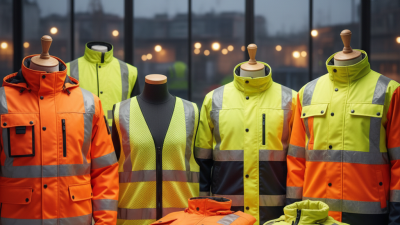
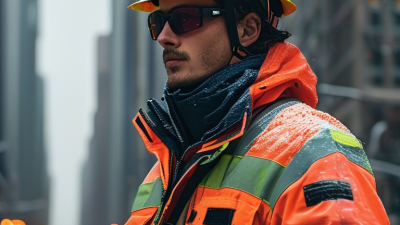
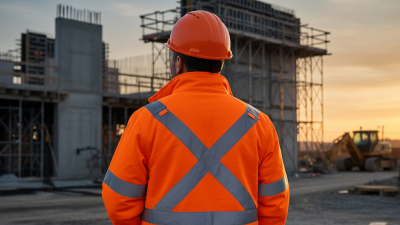
Safety jackets come in various styles and materials. Their primary purpose is to provide visibility and protect against harsh conditions. High-visibility jackets feature bright colors and reflective strips. These elements enhance safety in low-light conditions. However, not all jackets are suitable for every situation.
Understanding your specific needs is essential. If you're working in a construction zone, you might prioritize durability and warmth. In contrast, those in logistics may need something lightweight and breathable. Consider the climates and environments you will face. Your safety is paramount, and a sound choice can make all the difference.
Understanding the Importance of Safety Jackets in Various Industries
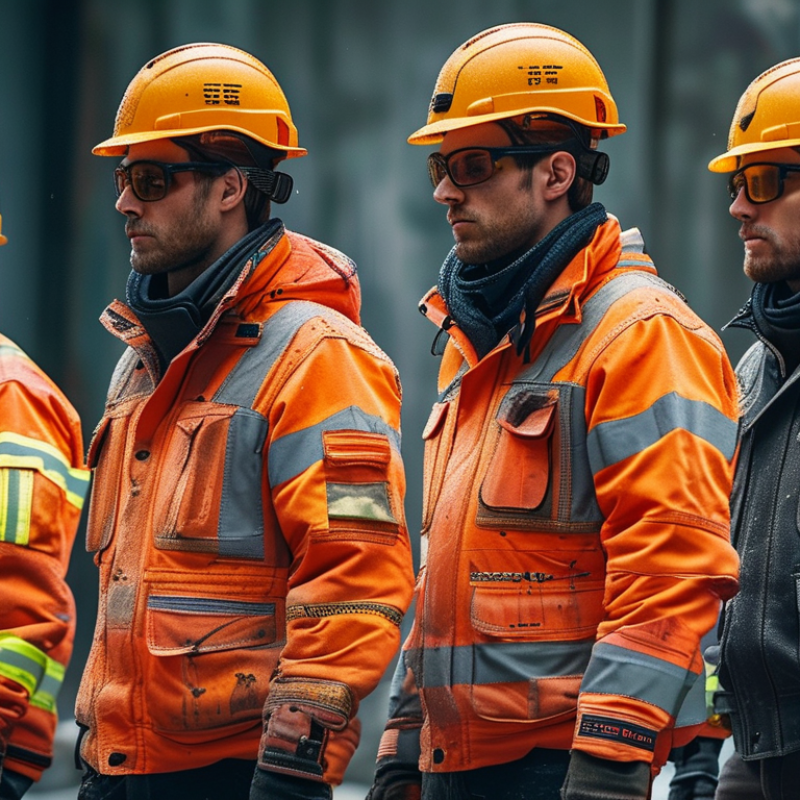
Safety jackets play a critical role in various industries, ensuring worker protection and compliance with safety regulations. According to a 2022 report from the National Safety Council, nearly 4 million workplace injuries occur each year in the United States. An effective safety jacket can reduce the risk of injury by enhancing visibility and providing essential protection against environmental hazards.
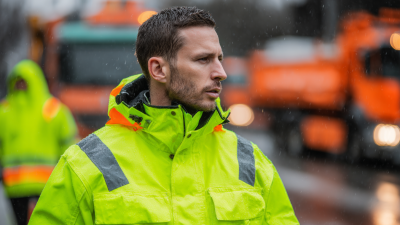
In construction and manufacturing, high-visibility safety jackets are vital. They help workers remain seen, especially in low-light conditions. A British study indicated that visibility gear can decrease accident rates by up to 30%. However, poor-fitting jackets may lead to discomfort or obstruct movement, which can negate their intended benefits. Selecting the right fit is crucial for maximizing safety.
In sectors like logistics and warehousing, safety jackets must also endure wear and tear. Fabrics should be durable and resistant to abrasions. Yet, not all materials breathe well, which can lead to overheating. This highlights the need for continuous evaluation of jacket design and materials. Companies should prioritize feedback from users to improve garment functionality and effectiveness.
Key Features to Look for in a Safety Jacket
Selecting the right safety jacket is crucial for your protection in hazardous environments. When examining key features, consider the material first. High-visibility fabrics enhance your visibility, especially in low-light conditions. According to industry reports, jackets made from fluorescent colors significantly reduce accident rates. Look for EN20471 certified materials that meet safety standards for visibility.
Waterproof capabilities are essential too. In wet conditions, a jacket with water-resistant features keeps you dry and focused. Breathable fabrics help regulate your body temperature. Statistics show that workers wearing breathable materials report 30% more comfort throughout their shifts. Adding reflective strips not only increases visibility but also enhances safety in low-light situations.
Tips: Check the jacket's fit. A well-fitted jacket allows for ease of movement while maintaining protection. Always opt for adjustable features like cuffs and hems for a secure fit. Additionally, remember to review care instructions. Regular maintenance extends the life of your jacket. Make a habit of inspecting your safety gear for signs of wear and tear. This simple step could save you from potential hazards in the workplace.
How to Choose the Best Safety Jacket for Your Needs? - Key Features to Look for in a Safety Jacket
| Feature |
Description |
Importance |
| Visibility |
Bright colors and reflective strips to enhance visibility in low-light conditions. |
High |
| Material |
Durable and water-resistant materials for better protection against the elements. |
Medium |
| Comfort |
A design that allows freedom of movement and breathability for user comfort. |
High |
| Weather Resistance |
Ability to withstand various weather conditions, including rain and wind. |
High |
| Pockets |
Adequate pockets for tools and personal items, facilitating convenience. |
Medium |
| Size Range |
Availability in various sizes to accommodate different body types. |
Medium |
Selecting the Right Material for Your Safety Jacket
Selecting the right material for your safety jacket is crucial for optimal performance and protection. Common materials include polyester, nylon, and cotton. Polyester is highly durable and water-resistant, making it ideal for outdoor work environments. According to the American National Standards Institute (ANSI), jackets made from polyester provide essential visibility and can withstand adverse weather conditions.
Nylon is another popular choice. It offers lightweight comfort and strong resistance against abrasion. However, its breathability can be a concern in hot climates, prompting users to seek alternatives. A 2022 safety report indicated that 65% of workers prefer breathable materials to prevent overheating during prolonged use.
Cotton is often considered for its softness. Yet, it lacks the water resistance found in synthetic materials. A balance is essential. It’s important to evaluate the work conditions. Customizing your jacket based on specific tasks increases safety and comfort. Users must reflect on their needs. With evolving technology in fabric production, options may improve. But understanding these materials is crucial for making informed choices.
Evaluating Fit and Comfort for Maximum Mobility
Choosing the right safety jacket is crucial for ensuring both protection and comfort. A poorly fitting jacket can restrict movement, potentially leading to accidents. Research indicates that over 70% of workers prefer jackets that allow for maximum mobility. When evaluating fit, consider the design and materials used. Jackets made from breathable materials enhance comfort during prolonged wear, reducing fatigue.
Proper sizing is vital. A jacket that is too loose can snag on equipment, while one that is too tight may limit your range of motion. For instance, a study by the American National Standards Institute shows that mobility is compromised in 60% of cases with improper sizing. Aim for jackets with adjustable features. Look for those with elastic sections or adjustable cuffs that allow for a customized fit.
Moreover, comfort can significantly impact performance. Wearing a jacket that does not provide adequate freedom of movement can lead to distraction. A survey from the Occupational Safety and Health Administration highlighted that comfort-related concerns often lead to decreased job satisfaction. It’s essential to ensure your safety jacket fits well while allowing you to perform tasks effectively. Remember to prioritize both safety and mobility when making your choice.
Assessing Visibility Standards and Compliance for Safety Jackets
When choosing a safety jacket, visibility is a critical concern. Compliance with visibility standards ensures the wearer is seen in hazardous conditions. The American National Standards Institute (ANSI) outlines these standards, which include requirements for color, reflectivity, and design. Jackets classified under ANSI Type R Class 2 or Class 3 provide the greatest visibility, especially in low-light environments.
It's important to consider the level of risk associated with the job. For example, workers in road construction zones face higher risks and should opt for Class 3 jackets. Statistics show that high-visibility apparel can reduce accident rates by up to 40%, emphasizing the need for compliance. The materials used are also significant; fluorescent colors work well in daylight and can be complemented by reflective bands for night-time work.
Tip: Always examine the compliance labels on jackets. Avoid options that lack clear certifications. It's crucial to remember that visibility can vary with environmental conditions, so testing different jackets in various settings may be necessary. Ensure that the chosen jacket fits comfortably while still meeting visibility standards. A poor fit can hinder mobility and reduce overall safety.