How to Choose the Best Safety Vest for Global Sourcing?
When selecting the best Safety Vest for global sourcing, understanding the key features and standards is crucial. Jane Smith, a safety garment expert, states, “Quality should never be compromised when it comes to safety apparel.” This highlights the importance of carefully considering the materials and designs used in Safety Vests.
With various options available, sourcing teams must evaluate reflective materials, size adjustability, and breathability. Each feature plays a vital role in the vest's effectiveness and user comfort. Safety Vests should meet industry standards to ensure protection in different environments. However, some may overlook these details, risking safety and compliance.
Additionally, transparency in the supply chain is essential. Sourcing from reputable manufacturers and inspecting production processes can mitigate risks. Yet, it is common for buyers to focus solely on cost, which may lead to subpar products. Balancing quality and price requires diligence and informed decision-making in the global marketplace.

Understanding Safety Vest Standards and Regulations in Global Sourcing
When sourcing safety vests globally, understanding safety vest standards is crucial. The American National Standards Institute (ANSI) provides guidelines that help ensure the visibility and safety of workers. Vests must meet specific performance levels based on the environment where they are used. For instance, Class 2 and Class 3 vests are common standards for higher visibility in complex work settings. Compliance with these standards can significantly reduce the risk of accidents.
Data from the Bureau of Labor Statistics shows that over 900 fatalities occur annually in construction-related incidents. Proper use of safety vests can help mitigate such risks. A safety vest acts as a first line of defense against potential hazards. However, not all vests are created equally. Understanding the differences in materials, reflectivity, and overall construction can make a substantial difference in their effectiveness.
While selecting a vest, it’s essential to consider how well it fits the user’s environment. A vest unsuitable for extreme weather may fail to provide the intended safety. Additionally, some manufacturers may mislabel products. This creates confusion about compliance with the required standards. Checking third-party certifications can help ensure reliability. It's a challenge that requires diligence and awareness in the global sourcing landscape.
Key Materials Used in Safety Vests: Durability and Visibility Factors
Choosing the right safety vest begins with understanding the key materials. Durability is essential for safety vests used in various environments. Vests made from high-quality polyester or nylon can withstand wear and tear. These materials last longer under harsh conditions. They also provide excellent resistance to moisture and stains.
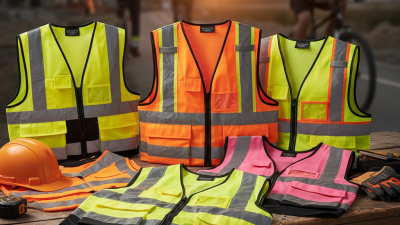
Visibility is another critical factor. Bright colors, like neon yellow or orange, enhance safety. Reflective strips improve nighttime visibility. Vests should meet specific safety standards, ensuring they perform under different lighting. The ideal vest will combine both durability and visibility, creating a reliable option for global sourcing.
However, not all materials perform the same. Some may fade after exposure to sunlight. Others might not be breathable, leading to discomfort. Testing different vests can help identify the best choice. Understanding the trade-offs between comfort and protection is crucial. Remember, safety is not just about compliance but also about ensuring comfort for the wearer.
Evaluating the Comfort and Fit of Safety Vests for Diverse Work Environments
When evaluating safety vests, comfort and fit are crucial. Workers in diverse environments need optimal mobility. According to a 2022 report from the Occupational Safety and Health Administration (OSHA), the right fit reduces the risk of accidents by 40%. Safety vests should allow for a full range of motion while being lightweight. This minimizes fatigue during long hours on the job.
Different work settings, such as construction sites or warehouses, demand varying levels of visibility and protection. Vests should fit snugly yet accommodate layers during colder months. A study published in the Journal of Safety Research indicated that poorly fitted vests can hinder work efficiency by up to 30%. Evaluating size options and adjustable features can make a significant difference.
Reflect on your specific work environment when selecting a vest. Are employees comfortable? Does the vest restrict movement? These questions highlight the need for an informed choice. Comfort should never be secondary to visibility. Ultimately, prioritizing fit leads to improved performance and safety in the workplace.
How to Choose the Best Safety Vest for Global Sourcing? - Evaluating the Comfort and Fit of Safety Vests for Diverse Work Environments
| Model |
Size Options |
Material |
Comfort Rating |
Usage Environment |
| Model A |
S, M, L, XL |
Polyester |
8/10 |
Construction Sites |
| Model B |
M, L, XL, XXL |
Nylon |
9/10 |
Roadwork |
| Model C |
XS, S, M, L |
Cotton Blend |
7/10 |
Warehouse |
| Model D |
M, L, XL |
Mesh |
10/10 |
Outdoor Events |
| Model E |
S, M, L |
Reflective Fabric |
8/10 |
Emergency Services |
Assessing Supplier Reliability and Compliance in Safety Vest Manufacturing
When sourcing safety vests globally, assessing supplier reliability and compliance is crucial. According to a report by Market Research Future, the global safety vest market is expected to grow at a CAGR of 7% between 2023 and 2028. This growth underscores the importance of finding trustworthy suppliers. A single defective vest can lead to workplace accidents, highlighting the need for rigorous evaluation.
Supplier reliability can often be gauged through certifications. Look for suppliers that comply with international safety standards. Regulatory bodies, like ANSI and ISO, provide frameworks that ensure products meet safety requirements. However, compliance alone isn't enough. Auditing production practices and ensuring ethical labor conditions is vital. A report by the International Labour Organization indicates that up to 40% of manufacturers may not fully comply with labor standards.
Moreover, transparency in the supply chain cannot be overlooked. Suppliers should provide documentation regarding sourcing and production. As the 2021 Global Sustainability Report highlighted, 70% of consumers now prioritize ethical sourcing, making compliance essential for market acceptance. Investing time to verify these aspects may feel tedious, but it's necessary for ensuring quality and safety in your products.
Cost-Effectiveness Analysis: Balancing Quality and Budget in Safety Vests
When selecting safety vests for global sourcing, cost-effectiveness is essential. The right balance between quality and budget can be tricky. Many vests offer visibility and safety but have varying price points. Consider the materials used. High-visibility fabric may come at a premium, but it ensures greater safety.
Assessing quality involves testing durability. Some vests wear out after a few washes, while others maintain their integrity over time. Cheap options might look appealing, but they can compromise safety. It’s important to ask questions. What are the safety certifications? Are the seams reinforced for durability?
Reflect on the overall impact of your choice. While staying under budget is crucial, prioritizing safety is paramount. Investing in reliable vests can reduce long-term costs related to workplace accidents. Noticing how vests perform in real-world scenarios guides future choices. Perhaps the cheapest option isn’t always the best. Understanding these dynamics leads to wiser purchasing decisions in the long run.