How to Choose the Best Safety Jacket for Your Needs?
Choosing the right safety jacket is crucial for protection in various work environments. According to a report by the National Safety Council, approximately 4,500 workplace injuries occur every year due to inadequate protective gear. A well-chosen safety jacket can reduce these incidents significantly.
Dr. Emily Hart, a leading safety expert, emphasizes, "The right safety jacket not only protects but also enhances visibility and comfort." This highlights the importance of selecting jackets that meet specific needs based on the worksite or activity. For instance, high-visibility jackets are essential for construction sites, while insulated options are vital in colder conditions.
Understanding the specific characteristics of safety jackets, such as material, weight, and weather resistance, can make a significant difference to user safety. However, many workers overlook these details. Finding the best safety jacket often requires a balance of features, comfort, and compliance with safety standards.
Understanding the Importance of Safety Jackets in Various Industries
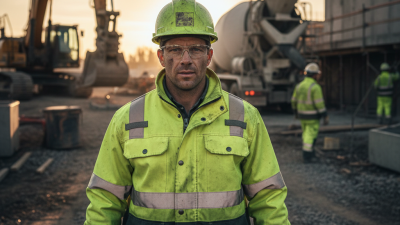
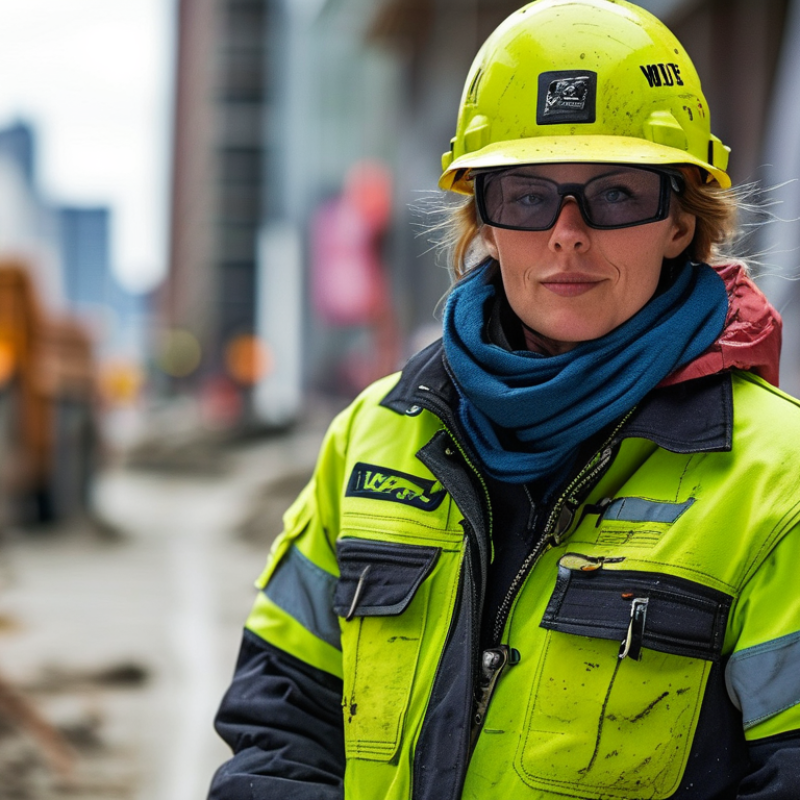
Safety jackets are crucial in various industries. They enhance visibility and protect workers from potential hazards. In construction sites, bright jackets help workers stand out, especially in low-light areas. This can prevent accidents and ensure everyone's safety. In manufacturing, safety jackets often come with additional features, like flame resistance or high durability, depending on the environment.
Healthcare workers also benefit from safety jackets. These garments help maintain hygiene while providing comfort. Workers in emergency services wear specialized jackets designed for quick access to equipment and identification. Each industry has unique needs that a safety jacket can address. Yet, many people overlook the importance of proper fit and material. An ill-fitting jacket can hinder movement, reducing its effectiveness.
Choosing the right jacket involves careful consideration. Reflective strips and vibrant colors improve visibility. However, many workers may prioritize style over function, which can create safety risks. It's vital to reflect on these choices and their impacts. Safety should always come first, no matter the industry.
Identifying Your Specific Safety Requirements Based on Work Environment
Identifying specific safety requirements is essential in selecting the right safety jacket. Work environments can vary greatly, and each poses unique risks. For instance, construction sites typically require high-visibility jackets. According to the Bureau of Labor Statistics, 20% of workplace injuries are attributed to visibility-related accidents. Choosing the right jacket can significantly reduce these types of incidents.
Consider factors such as weather conditions and job tasks. For outdoor workers, waterproof and insulated jackets are crucial for cold and wet climates. A study by the Occupational Safety and Health Administration (OSHA) found that proper clothing can decrease the risk of hypothermia by 75%. Meanwhile, in environments with potential chemical exposure, jackets made of specialized materials can offer necessary protection.
Reflecting on your work environment is key. Many people overlook the need for functional pockets or added features like reflective strips. Personal comfort should not be compromised for safety. A jacket that is too loose or too tight can hinder movement and ultimately reduce overall safety. Make a list of specific hazards you face at work, and choose jackets that meet those challenges effectively.
How to Choose the Best Safety Jacket for Your Needs?
| Safety Requirement |
Work Environment |
Jacket Type |
Material |
Visibility Level |
Features |
| High Visibility |
Construction Site |
Reflective Jacket |
Polyester |
Class 3 |
Waterproof, Breathable |
| Flame Resistance |
Oil and Gas Industry |
FR Jacket |
Nomex |
N/A |
Arc Flash Protection |
| Cold Weather Insulation |
Outdoor Worksites |
Insulated Jacket |
Nylon |
N/A |
Windproof, Waterproof |
| Lightweight & Flexible |
Warehouse |
Lightweight Safety Jacket |
Polyester |
Class 2 |
Pockets, Adjustable Cuffs |
| General Safety |
General Industry |
Standard Safety Jacket |
Cotton-Polyester Blend |
Class 1 |
Easy Care, Durability |
Key Features to Look for in a Safety Jacket
When selecting a safety jacket, consider essential features that enhance protection and comfort. Look for high visibility colors and reflective strips. According to a report by the Occupational Safety and Health Administration (OSHA), over 60% of workplace accidents occur in low visibility environments. Jackets that stand out can significantly reduce the risk of accidents.
Material plays a crucial role in jacket effectiveness. Opt for fabric that is durable yet breathable. Waterproof options are also essential. A study from the National Safety Council emphasizes that exposure to weather conditions can lead to 40% of workplace injuries. The right material can keep you safe and comfortable.
Tips: Always check the jacket's fit. A poorly fitted jacket can compromise safety. Ensure it allows for free movements. Also, examine pockets and zippers for functional design. A jacket with easy-access storage boosts utility without sacrificing safety. Reflect on your specific work environment and choose accordingly.
Key Features to Consider When Choosing a Safety Jacket
This chart illustrates the importance levels of key features to consider when choosing a safety jacket. Visibility is the most crucial feature, followed by water resistance and durability, making them top priority for safety and protection in work environments.
Evaluating Different Materials and Their Protective Qualities
When choosing a safety jacket, the material plays a crucial role. Different fabrics offer various levels of protection depending on the environment and hazards. For instance, high-visibility fabrics are essential in low-light conditions. They enhance visibility, making the wearer easily seen by others.
Moreover, consider the durability of the material. Some fabrics resist tears and abrasions, ideal for construction sites. Others are lightweight and breathable, suitable for warmer conditions. However, finding the right balance is challenging. A jacket that is too heavy can hinder movement, while a lightweight option may lack protection.
**Tips:**
Look for jackets that have additional features like reflective strips. These can improve visibility, especially at night. Test the jacket for comfort before purchasing. A poorly fitting jacket could cause distractions on the job.
Check if the fabric is waterproof or water-resistant if you work outdoors. This adds an extra layer of protection against the elements. Think about how often you use the jacket. Frequent use requires a more robust and durable choice.
Choosing the Right Size and Fit for Maximum Comfort and Safety
Choosing the right size and fit for a safety jacket is crucial for both comfort and safety. Many workers report that improper fitting gear can lead to distractions, reducing overall effectiveness on the job. According to the Occupational Safety and Health Administration (OSHA), proper-fitting personal protective equipment (PPE) can significantly decrease the risk of workplace injuries. A study by the National Institute for Occupational Safety and Health (NIOSH) found that 70% of injuries resulting from errors in PPE use were due to fit issues.
When selecting a safety jacket, consider your body type and the job environment. Measure your chest, waist, and sleeve length accurately. Every safety jacket should provide room for movement, yet not be overly baggy. The ideal jacket should feel snug around the shoulders but allow flexibility during tasks. Aim for a jacket with adjustable features, ensuring you can tailor the fit throughout the day.
Many workers overlook the importance of comfort, but it's key. A well-fitted jacket can enhance your focus and efficiency. Poor fit can cause chafing or overheating, leading to decreased productivity. The American National Standards Institute (ANSI) states that comfort in safety gear reduces distractions. When you’re comfortable, you’ll be more vigilant, contributing to a safer workplace environment. Remember, the right size can be the difference between compliance and risk.