Leave Your Message
What is a Hi Vis Vest, and why does it matter on a busy worksite? A Hi Vis Vest uses fluorescent fabric and reflective material to make the wearer easier to notice. Under headlights, its silver bands can flash like a signal. In daylight, the bright yellow or orange surface separates a worker from grey concrete, machinery, and traffic. This simple contrast can provide valuable reaction time. It cannot remove every hazard.
The U.S. Bureau of Labor Statistics recorded 5,283 fatal occupational injuries in 2023. Transportation incidents remained a major category. The Federal Highway Administration also reported 891 work-zone deaths in 2022. These figures do not prove that one vest prevents an incident. They show why visibility deserves serious attention. ANSI/ISEA 107-2020 provides recognized guidance for high-visibility safety apparel, including garment classes, performance materials, and design features. Proper selection still depends on traffic speed, lighting, weather, and job duties.
Jeffrey Stull, a recognized personal protective equipment specialist and president of International Personnel Protection, has said, “PPE must be selected for the hazard, not merely for appearance.” That principle is easy to overlook. A loose vest, covered reflective tape, or dirty fabric may look compliant but perform poorly. Fit matters. Maintenance matters more than many teams admit. A Hi Vis Vest works best as part of a broader safety system, supported by training, site controls, lighting, and consistent supervision. It is useful protection, not a magic shield.
What Is a Hi Vis Vest and Why Is It Important?
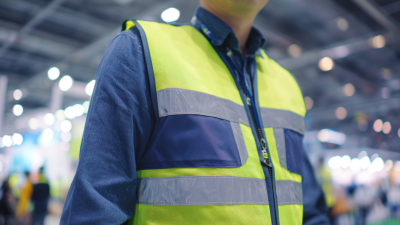
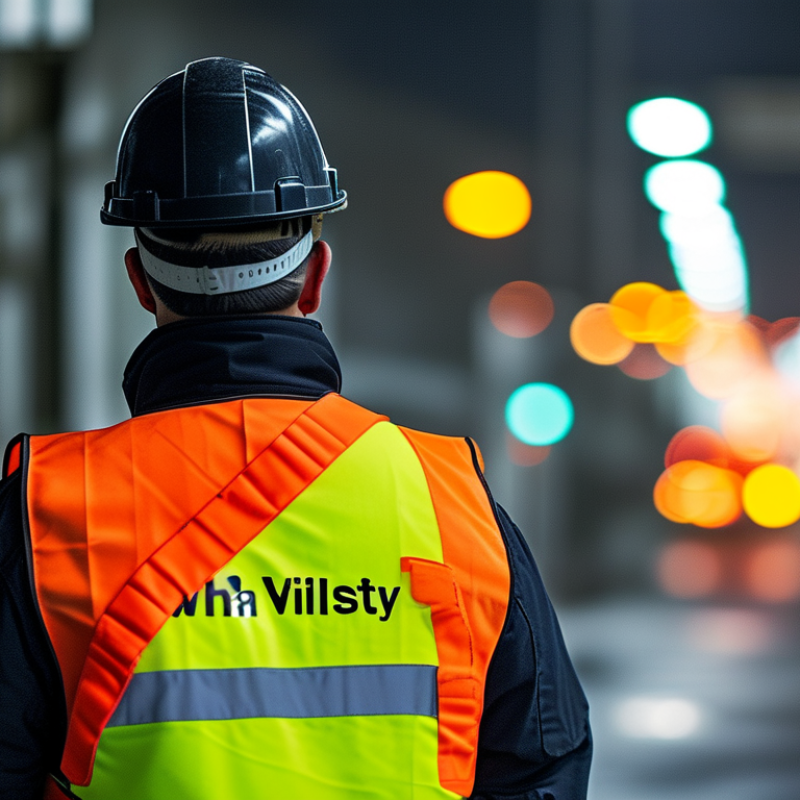
A hi vis vest is a lightweight safety garment designed to make a person easier to see. It usually combines fluorescent fabric with reflective strips. Fluorescent colors stand out during daylight, while reflective material catches vehicle headlights and work lights. The vest helps drivers, machine operators, and coworkers notice movement sooner. That extra visibility can create valuable reaction time in busy areas.
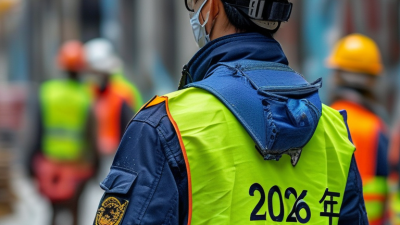
Its purpose is clear: reduce the risk of someone blending into the background. Road crews, warehouse workers, delivery staff, and emergency teams may wear hi vis vests near traffic or moving equipment. A suitable vest should fit securely without limiting movement. Loose fabric can catch on equipment. A vest that is too tight may become uncomfortable and discourage regular use. Small details matter.
Visibility is not the same as complete protection. A vest cannot stop an impact, replace training, or remove workplace hazards. In practical site observations, a dirty vest often looks less effective than expected. Dust, oil, and faded fabric can weaken its visual contrast. Workers should inspect the vest, clean it according to its care instructions, and replace damaged reflective strips. Choosing the right garment also requires a site-specific risk assessment and attention to applicable safety standards. That step is sometimes overlooked.
| Information Dimension | Key Point | Detailed Information | Practical Example |
|---|---|---|---|
| Definition | High-visibility safety garment | A hi vis vest is a brightly colored safety garment designed to make the wearer easier to see by day and more noticeable in low-light conditions when reflective material is used. | A worker wears a fluorescent vest while directing vehicles near a roadwork area. |
| Primary Purpose | Improved visual detection | The vest helps drivers, equipment operators, coworkers, and the public identify a person more quickly and maintain better visual awareness around active work areas. | A forklift operator can identify a nearby pedestrian more easily in a busy warehouse. |
| Fluorescent Material | Daytime visibility | Fluorescent yellow, orange, or yellow-green materials create strong contrast with many common backgrounds, especially in daylight and overcast conditions. | A yellow-green vest stands out against dark asphalt, concrete, or vegetation during daytime work. |
| Retroreflective Material | Low-light visibility | Retroreflective strips return light toward its source, such as vehicle headlights, helping outline the wearer in darkness or poor lighting. | Reflective bands help a roadside worker become more visible to an approaching driver at night. |
| Common Users | People exposed to moving traffic or equipment | Typical users include road and construction workers, warehouse personnel, emergency responders, airport ground staff, utility crews, and event or parking attendants. | A warehouse pedestrian wears a hi vis vest when entering areas shared with powered industrial trucks. |
| Work Environments | Areas with visibility hazards | Hi vis vests are useful around roads, loading docks, construction zones, rail facilities, factories, airports, mines, and other locations with moving vehicles or limited sightlines. | A loading-dock employee wears a vest while working between delivery vehicles and dock equipment. |
| Visibility Conditions | Day, night, and reduced visibility | Garment selection should reflect the work conditions, including daylight, darkness, rain, fog, dust, glare, shadows, and complex backgrounds. | A worker assigned to both daytime and nighttime shifts uses a vest with fluorescent and retroreflective materials. |
| Safety Benefit | Reduced risk of failing to notice a worker | A hi vis vest does not physically protect against impact, but it can support hazard recognition by making the wearer more conspicuous. | A driver has more time to recognize a visible worker and slow down in a controlled work zone. |
| Garment Design | Contrasting colors and reflective patterns | Effective designs commonly combine a high-contrast fluorescent base with reflective bands placed around the torso and, where applicable, the shoulders or arms. | A vest with horizontal and vertical reflective bands can help indicate the wearer’s body position. |
| Fit and Coverage | The garment should remain visible while worn | The vest should fit securely without restricting movement, and it should not be hidden by tools, jackets, harnesses, or other equipment. | A properly sized vest remains visible when the worker bends, walks, or wears essential work equipment. |
| Standards and Compliance | Follow the applicable local requirement | Visibility requirements vary by country, industry, task, and work zone. Employers should select garments certified or classified under the standard required by the relevant authority or safety program. | A roadwork contractor selects garments that meet the visibility requirements specified for the project location and task. |
| Limitations | Not a substitute for a complete safety system | A hi vis vest does not replace traffic control, lighting, barriers, training, safe work procedures, hard hats, safety footwear, or other required personal protective equipment. | A visible vest is used together with approved barriers, warning signs, lighting, and site-specific traffic controls. |
| Inspection | Check condition before use | Inspect the vest for tears, heavy soiling, fading, damaged fasteners, missing reflective sections, and reduced visibility. Damaged or excessively worn garments should be replaced. | A supervisor removes a vest from service when its reflective tape is peeling or no longer clearly visible. |
| Care and Maintenance | Preserve color and reflectivity | Follow the garment care instructions. Incorrect washing, harsh chemicals, excessive heat, or unauthorized alterations can reduce the performance of fluorescent and reflective materials. | A worker follows the care label and avoids covering or cutting reflective bands during alterations. |
| Selection Checklist | Match the vest to the hazard | Consider the work task, traffic speed, lighting, weather, background, required standard, fit, durability, and compatibility with other protective equipment. | A night road crew chooses a compliant vest with adequate reflective coverage, suitable sizing, and weather-appropriate layering. |