Top High Visibility Vest Options for Global Buyers?
In the realm of workplace safety, the importance of wearing a High Visibility Vest cannot be overstated. According to industry reports, approximately 60% of all workplace accidents occur in areas with inadequate visibility. This staggering statistic underlines the essential role these vests play in protecting workers. High Visibility Vests enhance visibility in low-light conditions, providing a crucial safety measure in environments such as construction sites and roadwork.
Moreover, the global market for safety apparel has seen significant growth, driven by the increasing awareness of safety regulations. A recent study indicated that the High Visibility Vest market is expected to grow at a compound annual growth rate (CAGR) of over 6.5% from 2023 to 2030. These vests are now available in various materials and styles, catering to diverse industries and preferences. Still, despite advancements, some vests may not meet all safety standards, leading to potential risks.
Evaluating the options available in the market remains vital for global buyers. It's important to consider factors such as durability and comfort when choosing a High Visibility Vest. As the industry evolves, we must remain aware of these variables to ensure optimal safety and compliance in every working environment.
Key Features to Consider in High Visibility Vests
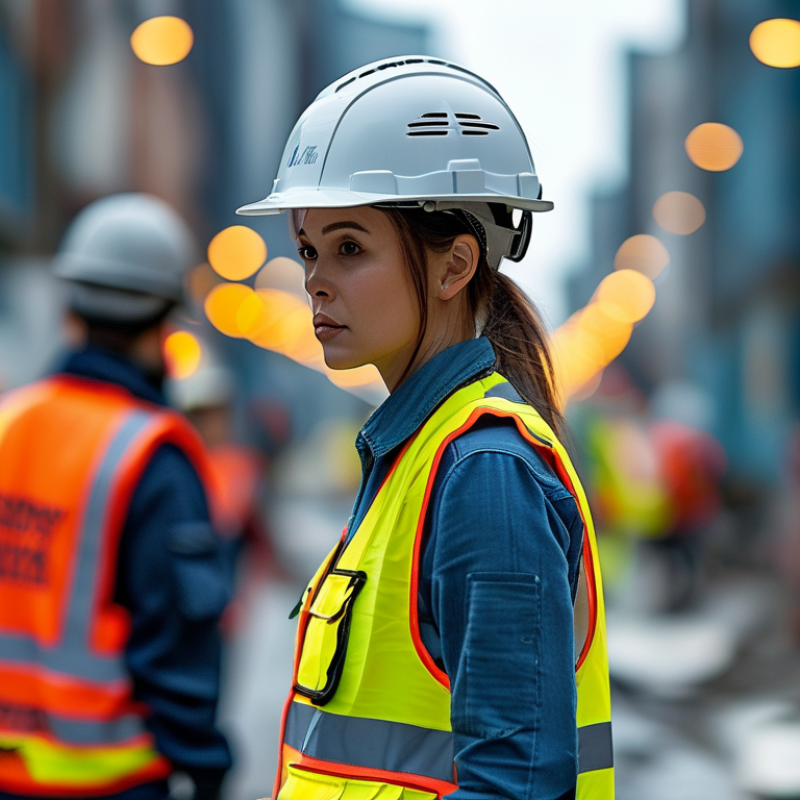
When selecting a high visibility vest, certain features are paramount. The color of the vest plays a crucial role. Bright colors like neon yellow or orange typically offer the best visibility. Reflective strips are essential too. These strips enhance visibility during low-light conditions, ensuring the wearer stands out at all times.
Another important aspect is the fit and comfort of the vest. A vest that is too loose may snag on equipment. Conversely, a tight vest can restrict movement. It's vital to choose a vest that allows for freedom of movement while still being snug enough to prevent accidents. Adjustable straps can also add to comfort, allowing for a tailored fit.
Fabric choice should not be overlooked. The material should be durable yet breathable. High-quality fabrics withstand wear and tear, but breathability is key for all-day use. Rain-resistant vests also offer added protection in various weather conditions. These details need thoughtful consideration to ensure safety and comfort while working in high-risk areas.
Popular Materials Used in High Visibility Vest Manufacturing
High visibility vests are essential for safety in various industries. Their effectiveness largely depends on the materials used in manufacturing. Common materials for these vests include polyester, mesh, and nylon. Polyester is popular due to its durability and resistance to fading. It often withstands heavy wear and tear, making it suitable for construction sites or roadwork.
Mesh fabric offers breathability. This is crucial for outdoor workers in hot climates. However, the trade-off may be less durability. Workers in harsh environments should evaluate the balance between comfort and resilience. Nylon is also used for high visibility vests. It is lightweight yet strong, making it suitable for various settings.
When selecting a high visibility vest, consider factors like local climate and work conditions. Reflective strips play a vital role in visibility. Ensure they meet safety regulations set forth by local authorities. For maximum effectiveness, check for proper sizing. A loosely fitting vest may get caught in machinery, posing risks. Choose wisely to enhance safety on the job.
Top High Visibility Vest Options for Global Buyers
| Material |
Reflectivity Level |
Breathability |
Weight (grams/m²) |
Typical Usage |
| Polyester |
Medium |
Good |
150 |
Construction, Roadwork |
| Nylon |
High |
Excellent |
200 |
Emergency Services |
| Cotton |
Medium |
Fair |
120 |
Warehousing, Logistical Operations |
| Trilobal Fabric |
Very High |
Good |
160 |
Traffic Control, Public Safety |
| Mesh Fabric |
Low |
Excellent |
100 |
Summer Use, Event Staffing |
Top Recommended Brands for High Visibility Vests Worldwide
High visibility vests are crucial for ensuring safety in various environments. They are especially popular among professionals in construction, roadwork, and emergency services. Many global brands offer a variety of options catering to different needs. It is essential to look for vests that meet safety standards relevant to your region.
When selecting high visibility vests, pay attention to material and design. Reflective strips are a must for visibility at night. Some vests have pockets for convenience, while others focus solely on safety features. Comfort should not be overlooked. A vest that is too heavy or restrictive will not be worn consistently.
Many brands have been recommended for their reliable safety features. However, buyers often find themselves in a learning process. Not all vests fit every body type or work scenario. It’s worth trying on different styles before settling on a choice. Some users report on the durability of their vests wearing out quickly under harsh conditions. Reflecting on these issues can lead to better purchasing decisions in the future.
Comparative Analysis of High Visibility Vest Styles and Functions
High visibility vests come in various styles and functions, catering to different needs. One popular option is the safety vest for construction sites. These vests often feature reflective strips and bright colors to enhance visibility. The lightweight fabric allows for breathability, which is essential in hot weather.
Another style is the multi-pocket vest. This design can accommodate tools and equipment, making it ideal for fieldwork. Pockets should be securely stitched to handle the weight of tools. While these vests keep workers organized, they can also hinder movement if overloaded.
Consider the fit and adjustability when choosing a vest. A well-fitted vest allows unrestricted movement, whereas an oversized one may pose safety risks. Materials matter too; some are more durable than others, affecting longevity.
When purchasing, think about the environment where the vest will be used. High humidity may require moisture-wicking material. Additionally, reflective patterns can vary in effectiveness at different distances. Always check for compliance with safety standards, as this ensures the vest serves its purpose effectively.
Global Standards and Regulations for High Visibility Safety Apparel
High visibility safety apparel plays a crucial role in occupational safety. Globally, many organizations follow specific standards to ensure the effectiveness of these garments. The International Organization for Standardization (ISO) has developed guidelines like ISO 20471, which outlines the requirements for high visibility clothing. This standard defines the minimum levels of visibility for various working conditions.
In North America, the American National Standards Institute (ANSI) has established similar regulations. ANSI/ISEA 107:2020 specifies classifications based on the visibility levels needed for different job roles. These standards are essential because they enhance worker safety in high-risk environments, reducing accidents significantly. A study by the National Safety Council indicates that proper visibility gear can decrease workplace injuries related to visibility concerns by up to 30%.
It’s important to choose garments that meet these standards. Consider the environment where the apparel will be used. Bright colors and reflective materials are essential for evening or low-light jobs. Workers should also check if the apparel fits well; poorly fitting garments can hinder mobility and reduce effectiveness. Regularly inspecting and replacing worn-out vests is also key to maintaining safety standards.
Top High Visibility Vest Options for Global Buyers