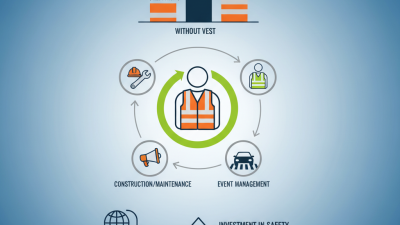
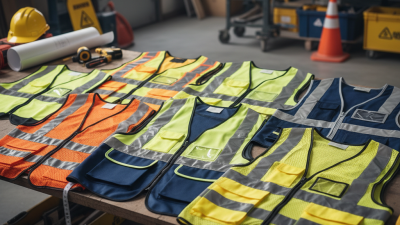
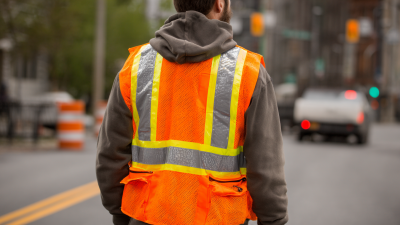
What is a Safety Jacket and Why Do You Need One?
A Safety Jacket is an essential piece of personal protective equipment designed to ensure visibility and safety in various environments. According to Robert Larson, a leading safety expert, “Wearing a Safety Jacket can significantly reduce the risk of accidents in low-visibility situations.” This statement highlights the importance of wearing such gear, especially in industries like construction and emergency services. A Safety Jacket’s bright colors and reflective strips make it easier for individuals to be seen, especially in hazardous areas.
Understanding the impact of a Safety Jacket goes beyond visibility. It also enhances confidence in the workplace. Imagine navigating through a busy construction site or during emergency response operations. A reliable Safety Jacket provides reassurance and a sense of security. Proper fit and visibility maintain focus and productivity. However, many workers still neglect this crucial safety tool, which can lead to unfortunate consequences.
In conclusion, recognizing the value of a Safety Jacket requires constant awareness. Its role in protective measures is often underestimated. Investing in a good-quality Safety Jacket also means investing in your safety and well-being on the job.
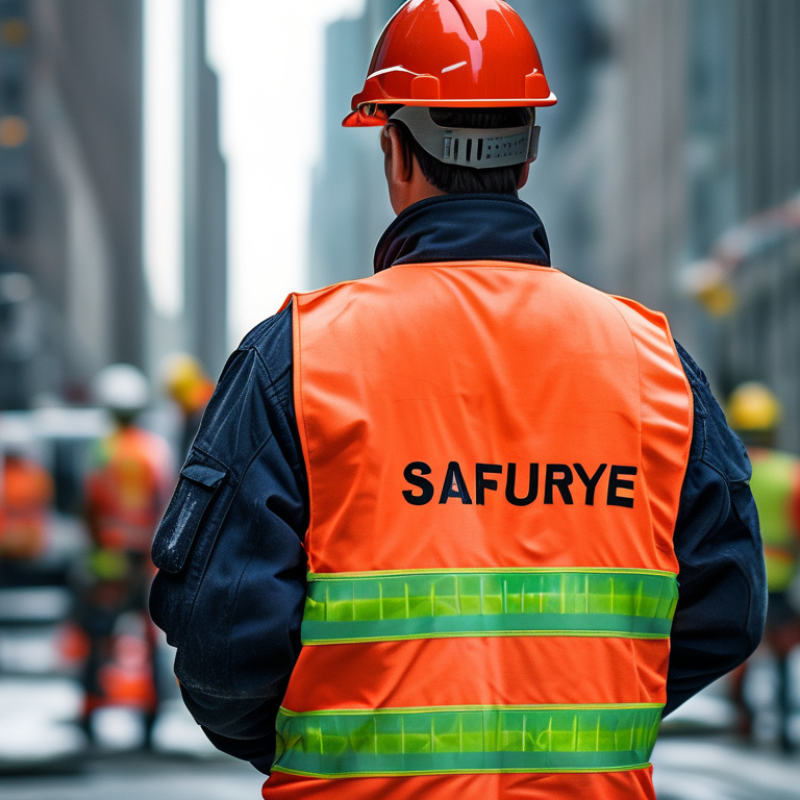
What is a Safety Jacket?
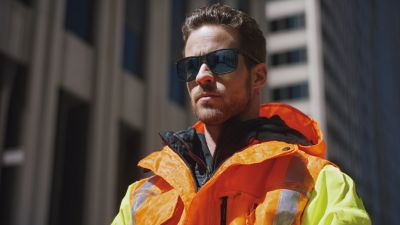
A safety jacket is a specialized piece of clothing designed to enhance visibility and protect the wearer in various environments. These jackets are often made from high-visibility colors, like neon yellow or orange, to ensure that individuals are easily seen, especially in low-light conditions. They are commonly used by construction workers, traffic personnel, and those in outdoor settings. The reflective strips sewn onto these jackets further increase visibility during nighttime or poor weather.
These jackets are not just about being seen; they also provide a layer of protection against the elements. Many safety jackets are made with waterproof materials to keep the wearer dry. They may include insulation for warmth in colder temperatures. However, wearing a safety jacket goes beyond mere compliance with regulations. It fosters a culture of safety, reminding individuals to be vigilant in their environment. Some people might underestimate the need for such gear, thinking, “It won’t happen to me.” This mindset can lead to risky situations. Safety should never be an afterthought; it deserves our attention and commitment.
Types of Safety Jackets and Their Features
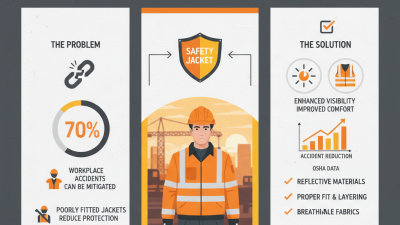
Safety jackets play a vital role in various industries, ensuring workers' protection in hazardous environments. There are several types of safety jackets, each designed to meet specific needs. High-visibility jackets are among the most common. They feature bright colors and reflective stripes to enhance visibility in low-light conditions. According to the Occupational Safety and Health Administration (OSHA), proper visibility can reduce accidents by up to 30%.
Another key type is weather-resistant jackets, which protect workers from harsh elements. These jackets often have waterproof materials and thermal insulation to maintain comfort. Reports indicate that temperature regulation is crucial. For instance, workers exposed to extreme cold face reduced productivity and increased health risks. Insulated jackets help combat these issues, promoting safety and efficiency.
Flame-resistant jackets are essential in industries like oil and gas. They are made from materials that self-extinguish when exposed to flames. A study by the National Fire Protection Association (NFPA) shows that wearing flame-resistant clothing can decrease burn injuries significantly. However, these jackets often require careful maintenance to retain their protective qualities. It’s vital for workers to regularly inspect and clean their safety gear to enhance performance.
Importance of Wearing a Safety Jacket in Various Environments
Safety jackets are crucial in various environments, ensuring visibility and protection. In construction sites, for instance, the CDC reports that high-visibility apparel reduces the risk of accidents by up to 30%. Workers wearing safety jackets are more likely to be seen by machinery operators, which can prevent collisions and injuries.
In urban areas, safety jackets are essential for outdoor workers, especially those near traffic. A study by the National Institute for Occupational Safety and Health (NIOSH) found that wearing reflective gear significantly decreases the chances of pedestrians being struck by vehicles. This is particularly vital in low-light conditions when visibility is limited.
Reflective safety jackets also play a key role in emergency situations. During rescue operations, responders often don these jackets to ensure quick identification and coordination. However, many workers underestimate the importance of this gear. Some fail to wear it consistently, leading to preventable accidents. Emphasizing the necessity of proper gear can make a difference in saving lives and reducing workplace injuries. It’s a simple yet effective measure that deserves greater attention.
Safety Standards and Regulations for Safety Jackets
Safety jackets are essential in various industries. They provide visibility and protection for workers. Compliance with safety standards is crucial for ensuring effectiveness. Organizations must follow regulations set by occupational safety authorities. These standards dictate visibility levels, material durability, and design specifications.
Understanding these regulations helps employers select appropriate safety jackets. Workers must wear jackets that meet specific criteria for their tasks. Regular training on the importance of wearing safety gear can improve compliance.
Tips: Always check labels for safety ratings. Regularly inspect jackets for wear and tear. Consider weather conditions when selecting a jacket. Each environment has unique risks. Reflecting on past incidents can foster a culture of safety. Awareness and adherence to regulations enhance protection in the workplace.
What is a Safety Jacket and Why Do You Need One? - Safety Standards and Regulations for Safety Jackets
| Dimension |
Details |
| Material |
High-visibility polyester or reflective materials |
| Visibility Standards |
Compliant with EN 20471 or ANSI/ISEA 107 |
| Usage Environments |
Construction sites, roadworks, emergency services |
| Sizes Available |
Small to XXXL for diverse body types |
| Features |
Zippered pockets, adjustable straps, breathable fabric |
| Maintenance |
Machine washable, recommended care practices |
| Regulatory Compliance |
Must meet local and international safety regulations |
Tips for Choosing the Right Safety Jacket for Your Needs
When selecting a safety jacket, it’s crucial to assess your specific needs. Different work environments require varying levels of protection and visibility. A high-visibility safety jacket is vital in low-light conditions. Construction sites or roadside work also require jackets that combine durability with comfort.
Consider the fabric and insulation. Some fabrics are waterproof, while others provide breathability. Think about the weather conditions you typically face. A lightweight jacket might not suffice in colder climates. Reflective strips enhance visibility in dark conditions, boosting safety.
Also, check for features like pockets for tools and adjustable cuffs for a secure fit. Each feature should serve a purpose, ensuring the jacket enhances your work experience. Sometimes, it’s easy to get caught up in trends. However, practicality should always take precedence over style. Choosing the right safety jacket can make a genuine difference in your safety on the job.