Leave Your Message

What Is a Safety Vest and What Is It Used For?

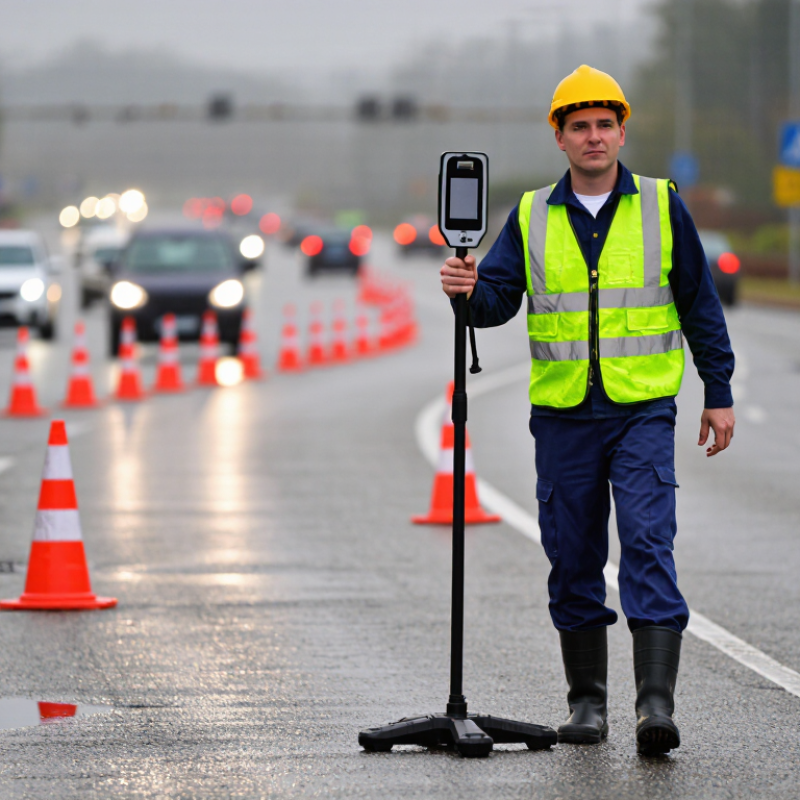
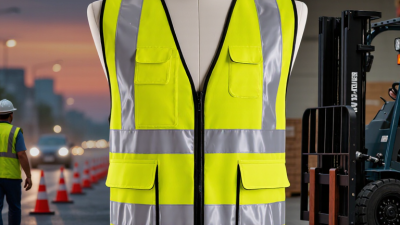
A Safety Vest is a high-visibility garment designed to help workers stand out from their surroundings. Bright fluorescent fabric catches attention in daylight. Reflective strips return light from vehicle headlights after dark. Picture a road crew member beside a rain-darkened lane: the vest helps drivers notice a person against gray pavement and passing traffic. It does not stop a vehicle or remove every hazard. It adds a layer of visibility.

Occupational-safety expert Dr. David Michaels has emphasized preventing injuries by identifying and controlling workplace hazards. A practical way to express that principle is: “Visibility can help others notice a worker sooner, but it cannot replace safe work practices.” That is guidance, not a verified direct quotation. A vest’s usefulness depends on its fit, condition, and suitability for the task. Torn reflective tape, grime, or a vest hidden beneath a jacket can reduce its visibility. Small details matter.

This guide explains what a Safety Vest is, how its materials support visibility, and where workers commonly use one. It also considers how to choose and care for a vest. Requirements vary by job and setting, so readers should check applicable workplace procedures and product instructions. A vest is simple. Choosing the wrong one is easy, too.
What Is a Safety Vest and What Is It Used For?

What a Safety Vest Is

A safety vest is a lightweight garment designed to make the wearer easier to see. It is commonly worn over shirts, jackets, or work uniforms. Many are made from fluorescent fabric in bright yellow, orange, or red. These colors stand out against roadsides, warehouses, and construction areas during daylight.
Visibility matters.

Reflective strips are another common feature. They bounce light from vehicle headlights back toward its source, helping outline a person in dim conditions. The strips may cross the chest and wrap around the waist, creating a recognizable shape from different angles. A vest’s cut is usually simple, with open sides or adjustable fasteners for a comfortable fit. Mesh panels can help air circulate on warm days, though not every vest feels cool during hard work.

Vests vary in their materials, coverage, pockets, and reflective patterns. Some are built for occasional tasks, while others are intended for repeated use in demanding settings. A label may describe visibility performance, but workers should still check that the garment suits the conditions and fits over the clothing they wear. That detail is easy to overlook. A loose vest can snag, while one that is too small may shift or sit awkwardly. A safety vest improves visibility; it does not replace attentive work practices or other protective equipment.
How a Safety Vest Improves Visibility

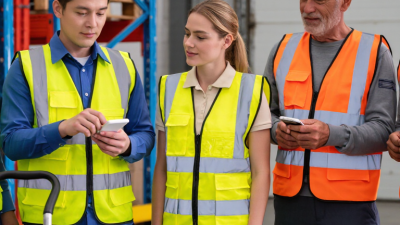
A safety vest is a garment designed to make a person easier to notice near moving vehicles, machinery, or busy work areas. Its bright fluorescent fabric helps create contrast in daylight, while reflective bands return light from headlights toward drivers at night. The ANSI/ISEA 107-2020 standard classifies high-visibility apparel by factors such as garment coverage and work environment. A vest can help, but it is not magic: loose clothing, dirt, or a blocked reflective strip can reduce its visibility.

The need is clear in road work zones. The Federal Highway Administration reported 891 work-zone crash deaths in the United States in 2022; this figure includes all road users, not only workers. A vest cannot prevent every collision, but clear contrast and reflective material can make a worker more conspicuous. Distance matters. Drivers need time to recognize a person and react, especially where headlights, shadows, rain, or traffic signs compete for attention.

Tips: Choose a vest suited to the task and lighting conditions. Keep reflective bands clean and visible, and wear the vest over outer layers rather than beneath them. Check its fit before work; a twisted or covered vest may not show as intended. Visibility is not protection on its own. Combine it with safe positioning, clear communication, and attention to nearby traffic.

How a Safety Vest Improves Visibility

Safety vests use fluorescent background material to stand out in daylight and retroreflective material to return light toward its source in low-light conditions.

The chart shows minimum material areas in square metres for ANSI/ISEA 107 garment classes. Higher classes require more visibility material; these figures describe material-area requirements, not a measured percentage increase in visibility.

Common Types and Visibility Classes

Safety vests differ by work setting, garment type, and visibility class. ANSI/ISEA 107-2020 groups apparel into Types O, R, and P. Type O suits off-road work with limited vehicle exposure. Type R is designed for roadway environments. Type P serves emergency and other public-safety roles. The difference matters when a worker stands beside moving traffic or machinery.

Classes describe how much visible background and reflective material a garment provides. Class 1 is for lower-risk settings; Class 2 offers more visibility, while Class 3 provides the greatest coverage for complex or faster-moving traffic environments. Class E trousers are supplemental garments, not standalone vests; paired with suitable apparel, they can raise an ensemble’s visibility level. The U.S. Bureau of Labor Statistics reported 1,942 fatal occupational injuries in transportation incidents in 2023, out of 5,283 total workplace fatalities. That figure is not a measure of vest effectiveness, but it shows why visibility deserves careful attention. Still, a class label is not magic.

Tips: Match the vest type and class to the actual task, background, and lighting. Check that reflective bands are clean and unobstructed. A loose, dirty vest can undermine an otherwise sensible choice.

What Is a Safety Vest and What Is It Used For? - Common Types and Visibility Classes

Vest Type or Class Typical Use Visibility Features Example Work Settings
Type O, Class 1 For work where traffic exposure is limited and vehicles move slowly. Provides a basic level of conspicuity. High-visibility fluorescent material and retroreflective elements; generally less visible material than higher classes. Off-road sites, warehouses, and work areas separated from public traffic.
Type R, Class 2 For workers exposed to roadway traffic or moving equipment in conditions where greater visibility is needed. More high-visibility background material and reflective coverage than Class 1. Roadside work, parking operations, and utility work near streets.
Type R, Class 3 For workers who need to be conspicuous in complex or higher-risk traffic situations, including when full-body visibility is important. High-visibility material and reflective elements designed to make the wearer more noticeable from multiple directions; sleeves may be part of the garment. Road construction, work near fast-moving traffic, and low-light roadway tasks.
Type P, Class 2 For public safety workers who need high visibility while performing duties near traffic or other hazards. High-visibility background material and retroreflective elements, with garment design suited to public safety work. Emergency response, incident management, and traffic control.
Type P, Class 3 For public safety tasks requiring the enhanced visibility provided by Class 3 garments. Greater visible coverage than Type P Class 2; the exact garment configuration depends on the applicable standard and task. Emergency response in challenging visibility conditions and high-risk traffic environments.
Fluorescent background material Helps make the wearer easier to see in daylight and some low-light conditions. Common compliant colors include fluorescent yellow-green and fluorescent orange-red. Daytime outdoor work and changing weather conditions.
Retroreflective material Returns light toward its source, helping drivers notice the wearer when illuminated by headlights. Works best when light reaches the material; it does not produce light on its own. Night work, dawn or dusk, and other situations with vehicle headlights.

Selection note: Choose a vest class and type based on the task, traffic speed and distance, lighting, weather, and applicable workplace requirements. ANSI/ISEA 107 class and type labels describe garment performance; they do not replace a site-specific hazard assessment.

Key Materials and Design Features

A safety vest is a wearable visibility layer, not protective armor. Its materials and layout help workers stand out against busy backgrounds, from gray roadways to dim warehouse aisles. Fluorescent yellow-green or orange fabric works best in daylight because it reflects available light. Polyester is common: it is lightweight, dries quickly, and can be made as breathable mesh or sturdier woven cloth. Mesh feels cooler, though it may snag more easily.

Reflective bands return light toward its source, making a vest easier to notice at night. The ANSI/ISEA 107-2020 standard sets minimum material areas by garment class: Class 2 requires 775 square inches of background material and 201 square inches of retroreflective material. Class 3 requires 1,240 and 310 square inches, respectively. These figures offer a practical design reference, not a promise that every wearer will be visible in every condition. Fit matters. So does placement: bands should remain visible when someone bends, reaches, or wears a jacket.

Check seams, closures, and reflective strips for wear. Dirt can dull bright fabric, while folds may hide sections of tape. Still, no vest is perfect. A loose fit can catch on equipment, and a vest that feels too hot may be left unworn. Choosing breathable fabric and a secure fit is a small detail with real consequences.

How to Choose, Wear, and Maintain a Safety Vest

Choosing a safety vest starts with the hazard, not the color. For roadside work, look for a high-visibility garment suited to moving traffic and poor light. ANSI/ISEA 107-2020 groups garments into performance types and classes; match the class to the task and site assessment. A vest can look bright indoors yet blend into a busy work zone. Check that fluorescent fabric is visible against the background and reflective bands face approaching workers. Fit matters. It should sit close enough to avoid snagging, but leave room for the layers you actually wear. In its 2022 Census of Fatal Occupational Injuries, the U.S. Bureau of Labor Statistics recorded 2,066 fatal injuries from transportation incidents. A vest cannot prevent every collision, but visibility is one practical layer of protection.

Wear the vest zipped or fastened, with reflective material unobstructed by backpacks, tools, or open jackets. Check it daily. Look for torn seams, faded fabric, cracked reflective bands, and heavy dirt. Replace damaged gear according to workplace procedures; grime can reduce visibility, even when the vest still feels usable. Wash it according to its care label, and avoid harsh cleaning methods that may damage reflective trim. Keep a spare dry vest nearby for wet shifts. Small routines help, though they are easy to skip when work gets rushed. A vest is not magic. Pair it with lighting, barriers, and clear communication, and review the site’s hazards when conditions change.