Top 10 Safety Vests You Should Buy for Maximum Protection?
When it comes to workplace safety, a safety vest is an essential piece of gear. Whether on a construction site or during roadside work, visibility can save lives. These vests come in bright colors like fluorescent yellow or orange, making workers stand out against busy backgrounds.
However, not all safety vests are created equal. Some offer better protection, while others focus on comfort and breathability. Understanding the differences is crucial. Choosing the right safety vest requires careful consideration of the environment. Factors like weather conditions and specific job hazards play a significant role in this decision.
Having a reliable safety vest can be a game changer. Yet, many still prioritize style over utility, which can lead to serious consequences. Investing in a high-quality vest is a wise choice for anyone concerned about safety. It is worth exploring the top ten safety vests available in the market to ensure maximum protection.
Understanding the Importance of Safety Vests in Work Environments
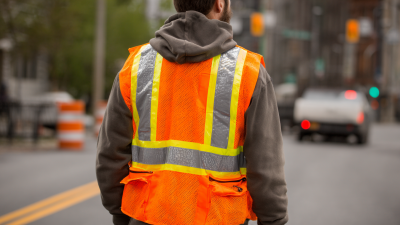
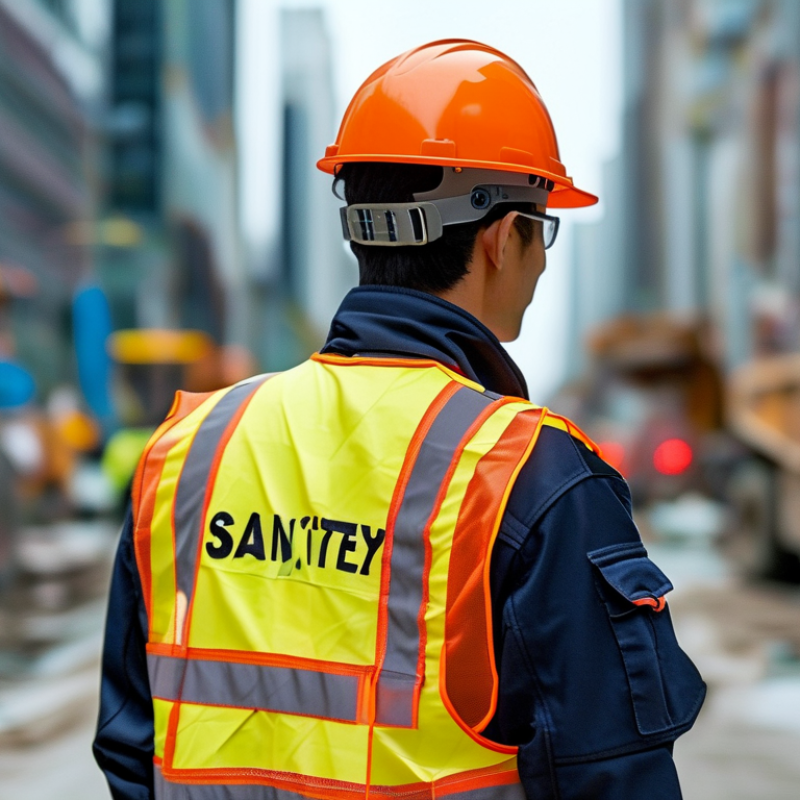
Safety vests are crucial in various work environments. They provide visibility, protecting workers from potential dangers. In construction zones, for example, a bright vest can help make a worker noticeable. Busy roadways pose significant risks, and safety vests can prevent accidents.
Visibility is not the only factor. The fit of a safety vest matters too. Ill-fitting vests may not be as effective. A loose vest can snag on equipment. Conversely, a tight vest could restrict movement. Proper sizing enhances both comfort and safety, allowing for better performance.
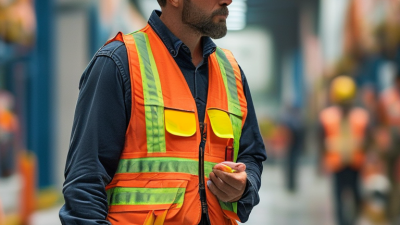
Tips: Consider reflective materials. They greatly improve nighttime visibility. Look for vests with multiple pockets. Functional design can aid work efficiency. Always inspect your vest for wear and tear. A damaged vest is a risky choice that could lead to harm.
Types of Safety Vests and Their Specific Uses in Different Industries
Safety vests serve various functions across different industries. Each type is designed to enhance visibility and protect workers. For instance, construction workers often wear high-visibility vests. According to the Bureau of Labor Statistics, a significant percentage of workplace injuries occur on construction sites. High-visibility colors, like fluorescent orange and yellow, help workers stand out against complex backgrounds. This is vital for ensuring their safety when machinery operates nearby.
In the event management sector, lighter and breathable vests are essential. Workers in crowded locations need to be easily identifiable. A 2021 survey revealed that 70% of event employees felt safer in distinctive apparel. Vests with reflective stripes enhance nighttime visibility, reducing accident risks. Similarly, emergency responders often utilize specialized vests. These not only provide visibility but also include essential pockets for tools and equipment. The myriad of designs reflects the specific demands of each job.
Reflecting on the variety, some vests may fail to meet certain safety standards. A study noted that many workers do not regularly replace outdated vests. This can create unnecessary risks. It is crucial for organizations to regularly assess their safety gear. Proper training on the importance of visibility is equally vital. Only then can the full benefits of safety vests be realized in every field.
Key Features to Look for When Choosing a Safety Vest
When selecting a safety vest, it’s crucial to consider the visibility factor. According to the American National Standards Institute (ANSI), safety vests must meet certain visibility standards. A Class 2 vest typically requires a minimum of 755 square inches of reflective material. This ensures that workers are visible from a distance, especially in low-light conditions. Think about construction sites, where visibility can be a matter of safety.
Durability is another key feature. High-quality vests should resist wear and tear, particularly in rugged environments. Materials like polyester and nylon are often preferred for their strength. Studies indicate that vests made with these materials can outlast those made from cheaper fabrics by over 50%. This is a significant consideration when investing in personal protective equipment.
Lastly, comfort cannot be overlooked. A vest that fits well allows for greater mobility and reduces fatigue. A survey revealed that 70% of workers prefer vests with adjustable straps. Breathable designs help maintain comfort in various weather conditions. However, balancing comfort with safety features can be challenging. One might choose breathable materials but compromise on visibility. Evaluating these trade-offs is essential for making informed decisions on safety vests.
Top 10 Safety Vests for Maximum Protection and Visibility
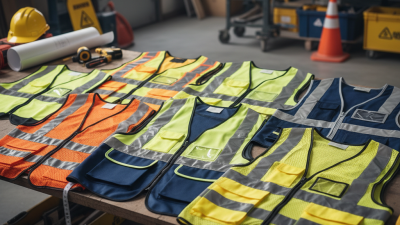
When it comes to safety vests, visibility is imperative. A reflective vest can significantly decrease risks in low-light conditions. Bright colors are effective in catching attention. The right vest can make a difference on job sites or during outdoor activities.
Consider vests with adjustable straps. A proper fit enhances comfort and wearability. Look for breathable fabrics that provide comfort in warm conditions. Lightweight materials are often more effective than heavy ones. Safety vests should be made with durable stitching to withstand daily wear.
Even with the right vest, there can be challenges. Some users may find bulky designs restrict their movements. It's important to try vests in different settings. Consider the activities you'll be engaging in. Thorough research helps in selecting the vest that suits individual needs and environments. Reviewing feedback from those who use these vests can be invaluable.
How to Properly Care for and Maintain Your Safety Vest
Caring for your safety vest is essential for maintaining its effectiveness. Regular inspection is necessary. Look for signs of wear, such as fraying or fading. These signs indicate that the vest may need replacement. The color should remain vibrant to ensure visibility. If it begins to dull, it's time to consider a new one.
Washing your safety vest can affect its lifespan. Use a gentle cycle with cold water to preserve the fabric. Avoid bleach, as it can weaken the material. Drying your vest naturally is ideal. High heat can damage reflective strips. If your vest has removable parts, consider washing them separately. This helps maintain the vest's integrity.
Storage is equally important. Keep your vest in a cool, dry place away from direct sunlight. Prolonged exposure can lead to fading and degradation. Many people overlook this. It’s easy to toss a vest into a pile with other gear. However, proper storage ensures safety gear remains effective when needed. Maintaining your vest can be a hassle, but it’s crucial for safety.
Top 10 Safety Vests You Should Buy for Maximum Protection
| Model |
Material |
Visibility Level |
Weight |
Care Instructions |
| Premium High-Visibility Vest |
Polyester |
Class 2 |
0.5 lbs |
Machine wash cold, tumble dry low |
| Reflective Safety Vest |
Nylon |
Class 3 |
0.7 lbs |
Hand wash recommended, line dry |
| Eco-Friendly Safety Vest |
Recycled polyester |
Class 2 |
0.6 lbs |
Machine wash cold, do not bleach |
| Heavy-Duty Construction Vest |
600D Oxford fabric |
Class 3 |
1.0 lb |
Wipe clean with a damp cloth |
| Cooling Safety Vest |
Breathable mesh |
Class 2 |
0.4 lbs |
Machine wash warm, no fabric softener |
| Fire-Resistant Safety Vest |
FR treated fabric |
Class 2 |
0.8 lbs |
Dry clean only |
| Multi-Pocket Safety Vest |
Polyester |
Class 2 |
0.9 lbs |
Machine wash cold, hang dry |
| Lightweight Safety Vest |
Polyester |
Class 1 |
0.3 lbs |
Hand wash, do not iron |
| Comfort Fit Safety Vest |
Cotton blend |
Class 2 |
0.55 lbs |
Machine wash cold, tumble dry low |