2026 Top Safety Vest Trends for Global Buyers to Consider?
As the demand for safety vests grows globally, it's crucial to stay updated on the latest trends. Experts like John Miller, a renowned safety gear consultant, emphasize the importance of innovation in this industry. He states, "Safety vests must evolve to meet the changing needs of workers everywhere." This reflects a growing acknowledgment of advancements in materials and design.
The market for safety vests is rapidly changing. Buyers now seek vests that offer not just visibility but also durability and comfort. Features such as moisture-wicking fabrics and adjustable fits are becoming essential. As workers spend extended hours in varying conditions, these attributes enhance safety and comfort. Yet, there is still a disconnect between safety standards and real-world applications.
Trends for 2026 signal an increased focus on sustainability. Eco-friendly materials are emerging, but the challenge remains: balancing safety with environmental responsibility. Buyers should scrutinize claims and test products to ensure they meet rigorous safety standards. This reflection on the current landscape of safety vests can guide better purchasing decisions.
Innovative Materials and Technologies in Safety Vests for 2026
As we approach 2026, safety vests are evolving rapidly. Innovative materials enhance comfort and durability. For instance, breathable mesh fabrics are becoming more common. These fabrics improve airflow, making long hours more bearable. They also reduce sweat accumulation, which can lead to rashes.
Technology integration is another key trend. Reflective materials are now combined with smart textiles. Some vests can monitor body temperature and heart rate. This data can alert wearers to dangerous situations. However, the reliance on technology raises questions about battery life and maintenance. The challenge remains to ensure these features are reliable in extreme conditions.
Lastly, sustainability plays a crucial role. Many manufacturers are exploring recycled materials. This shift addresses environmental concerns but may affect performance. Balancing eco-friendliness and functionality is still a work in progress. The future of safety vests is bright, yet we must reflect on these complex challenges.
Eco-Friendly Safety Vest Options for Sustainable Consumers
Eco-friendly safety vests are gaining popularity among consumers focused on sustainability. These vests often use recycled materials, reducing waste and environmental impact. Some manufacturers now create vests with organic cotton and other biodegradable fabrics. This shift caters to the growing demand for responsible product choices.
When selecting eco-friendly safety vests, consider their durability and performance. Not all sustainable materials meet safety standards. It's crucial to check certifications before making a purchase. Look for details on how the vest was made. Understanding the production process can influence your decision.
**Tips:** Always ask about fabric sourcing. Ensure the manufacturer uses sustainable methods. Consider the vest’s lifespan. A longer-lasting product reduces the need for frequent replacements, benefiting the planet. Don't shy away from exploring less conventional materials. Innovative options may offer both safety and environmental benefits.
2026 Top Safety Vest Trends for Global Buyers
Ergonomic Design Trends Enhancing Comfort in Safety Vests
The ergonomic design of safety vests is revolutionizing worker comfort. With longer shifts and challenging conditions, comfort is paramount. Safety vests now feature adjustable straps and breathable fabrics. This allows for improved mobility without sacrificing protection. Lightweight materials are increasingly used to ensure that workers remain agile on the job.
In addition to comfort, modern vests are focusing on fit. Many designs now offer customizable options that accommodate all body types. This helps improve both safety and morale for workers. However, not all designs cater to diverse needs, which can lead to discomfort during extended wear. Feedback loops from users can help manufacturers refine these designs. Workers deserve high-quality solutions that prioritize their needs.
As trends evolve, the balance between comfort and functionality remains critical. It’s essential for global buyers to stay updated on innovations in ergonomic designs. Some designs may still fall short in real-world scenarios. Awareness of these shortcomings will push brands toward improvement. Ultimately, better designs can lead to a safer and more productive work environment.
Key Safety Features and Standards Global Buyers Should Know
Safety vests play a crucial role in ensuring worker safety across various industries. Understanding the key safety features is essential for global buyers. Reflecting on recent industry data, the American National Standards Institute (ANSI) emphasizes the importance of high visibility fabric. Bright colors and reflective strips improve visibility in low-light conditions. Reports indicate that approximately 63% of workplace accidents occur in poorly lit environments.
Compliance with safety standards is another critical consideration. Products meeting the ANSI/ISEA 107 standards ensure proper protection and visibility. This standard categorizes vests into Type R and Type P, recognizing their specific use cases. Type R vests are ideal for workers in high-traffic areas, while Type P vests are suited for public safety personnel. Other regulations, such as those by the Occupational Safety and Health Administration (OSHA), further enforce strict visibility requirements for specific job sites.
Moreover, material quality impacts durability and comfort. Innovations in breathability and moisture-wicking fabrics are gaining traction. These materials promise enhanced comfort during long shifts. However, amidst these advancements, buyers should be cautious. Not all products labeled as compliant genuinely meet safety standards. Regular audits and certifications play a vital role in ensuring that safety vests deliver on their promises.
2026 Top Safety Vest Trends for Global Buyers to Consider
| Feature |
Description |
Standard Compliance |
Color Options |
Target Industry |
| High Visibility |
Bright colors and reflective strips for optimal visibility. |
ANSI/ISEA 107-2020 |
Fluorescent Yellow, Orange, Pink |
Construction, Roadwork |
| Breathable Fabrics |
Materials designed for moisture-wicking and airflow. |
EN 20471 |
Various colors |
Construction, Agriculture |
| Multi-Purpose Use |
Designed for use in multiple work environments. |
ISO 20471 |
Green, Blue, Red |
Logistics, Warehousing |
| Lightweight Design |
Construction to reduce fatigue over long hours. |
ANSI Class 2 |
Yellow, Orange |
Emergency Services, Delivery |
| Customized Sizing |
Variety of sizes for different body types. |
EN ISO 13688 |
All Colors |
Healthcare, Events |
Color and Visibility Trends in Safety Vests for Increasing Safety Awareness
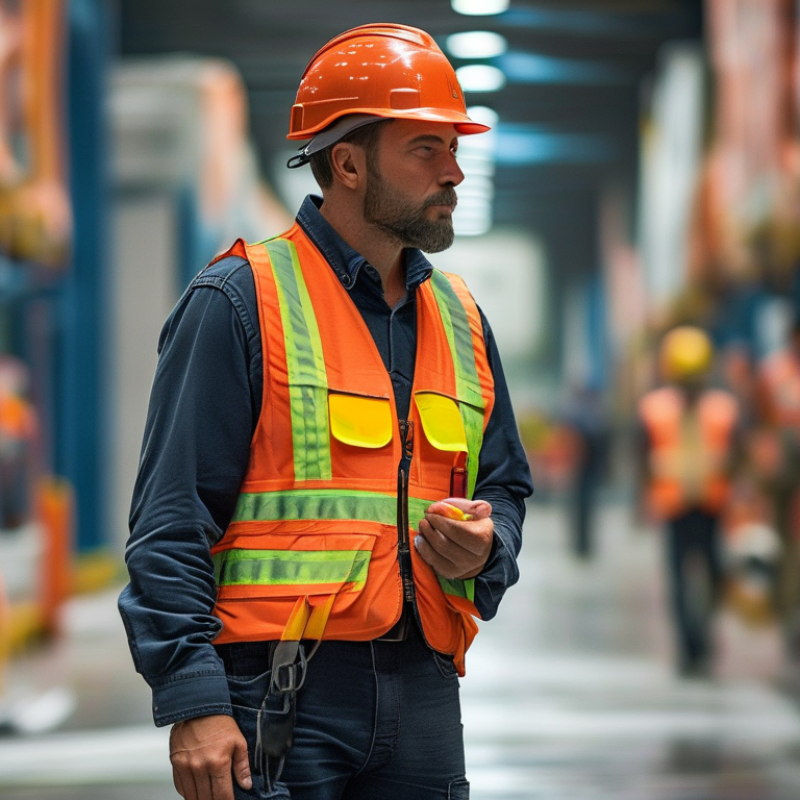
The color and visibility trends in safety vests are pivotal for enhancing safety awareness among workers. According to a study by the National Safety Council, high-visibility colors such as fluorescent yellow-green are seen as the most effective for attracting attention. These colors increase visibility in various environments, reducing the risk of accidents by up to 30%.
Recent reports reveal a growing preference for reflective materials in safety vests. Research indicates that reflective stripes can enhance the perception of motion, making it easier for drivers and operators in high-traffic areas to see workers. The use of retro-reflective technology, which reflects light back to its source, is proving essential in low-light conditions. Despite the known benefits, many safety vests still lack adequate reflective design.
Innovation in safety vest design is also bringing forth unique patterns and combinations. A survey found that 40% of responders prefer vests with both bright colors and reflectivity. However, the challenge remains to balance aesthetic appeal with functionality. Some manufacturers struggle to innovate without compromising safety standards. The industry must find ways to improve these designs while maintaining compliance with safety regulations. These trends highlight the need for ongoing evaluation and improvement in safety gear to safeguard workers effectively.