Leave Your Message

2026 Top Safety Jacket Types for Global Buyers

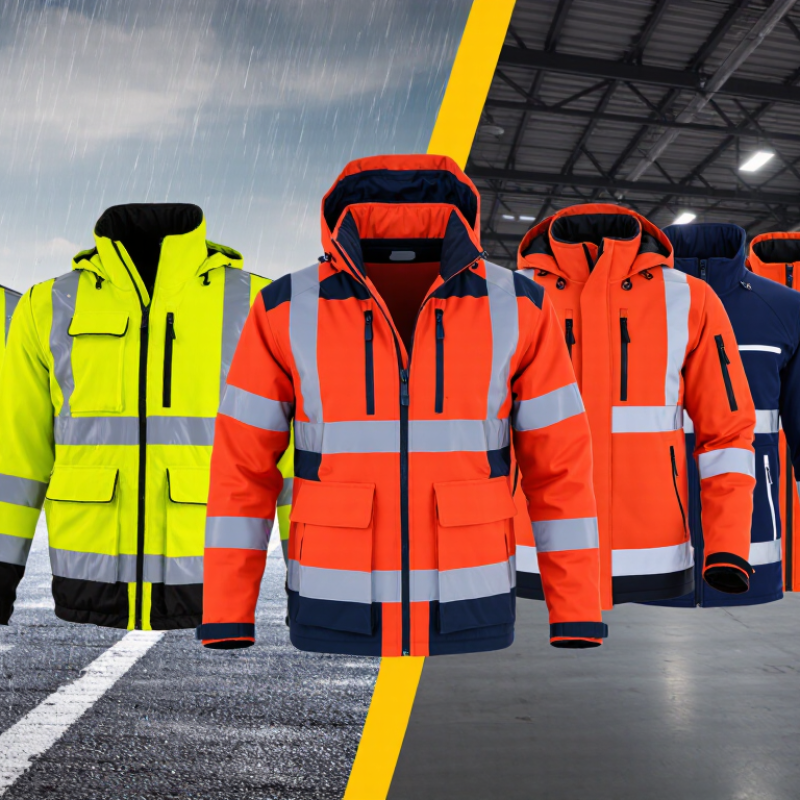
For global buyers, a Safety Jacket is more than a bright layer: it must suit the work, weather, and wearer. A road crew facing rain needs different protection from a warehouse team working beneath strong lights. Fabric weight, reflective placement, closures, pocket design, and fit all affect daily use. Small details matter.

Safety scientist James Reason wrote, “We cannot change the human condition, but we can change the conditions under which humans work.” His principle is a useful lens for choosing protective clothing: design should support safer routines, not merely look reassuring. This guide explores high-visibility, waterproof, insulated, flame-resistant, and other common jacket types, while noting where their uses may overlap. Buyers should check product specifications and destination-market requirements before ordering; needs vary by task and location. A label alone cannot tell the whole story.

The best choice is rarely the most feature-packed one. It is the jacket workers can wear comfortably through a full shift, with protection matched to documented hazards. Yet procurement decisions can still miss the basics. A jacket that looks suitable on a product page may feel restrictive over winter layers, or lose practicality when wet. Those trade-offs deserve attention. This overview helps buyers compare options, ask sharper supplier questions, and make informed decisions for varied work environments.
2026 Top Safety Jacket Types for Global Buyers

What Defines a Safety Jacket and Its Core Protective Features

2026 Top Safety Jacket Types for Global Buyers

What Defines a Safety Jacket and Its Core Protective Features

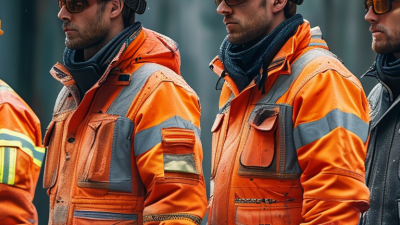
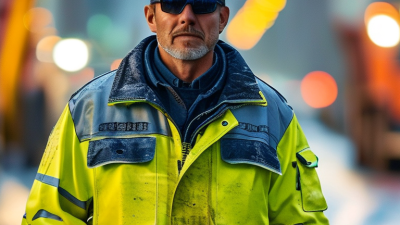
A safety jacket is designed to make its wearer easier to see in work environments. Its main feature is high-visibility material, not simply a bright color. Fluorescent fabric helps create daytime contrast against muted backgrounds. Retroreflective bands return light toward its source, helping drivers notice workers in dim conditions.

Visibility is not magic.

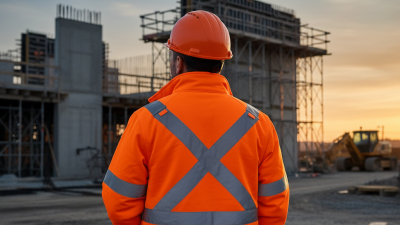
A practical jacket should keep these features visible while the wearer moves. Check that reflective bands continue around the torso and, where needed, the sleeves. Seams, zippers, and pockets should withstand repeated use without pulling the fabric out of shape.

Fit matters. A jacket that rides up or hides reflective areas may reduce visibility. Try it over the clothing workers will actually wear.

The word “safety” does not mean every jacket protects against every workplace hazard. A high-visibility shell may offer wind or rain resistance, but it does not automatically provide impact, flame, or chemical protection. Buyers should review product specifications and relevant test documentation for the intended task and market.

A useful detail to question is whether the jacket stays noticeable when partly covered by a harness or tool belt; that can be overlooked during selection.

How Safety Jackets Are Classified by Hazard and Work Environment

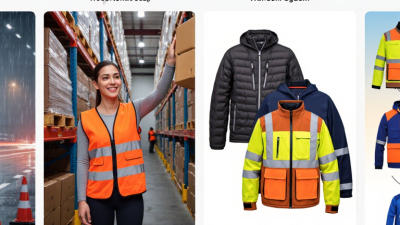
Safety jackets are best selected by hazard first and work setting second. High-visibility jackets use bright background fabric and reflective bands to help workers stand out near traffic or moving equipment. Flame-resistant jackets are designed for heat and brief flame exposure, while arc-rated garments address electrical arc hazards. These protections are not interchangeable. Chemical-splash jackets need materials suited to the specific substance; no single fabric protects against every chemical. Cold-weather and waterproof jackets help in exposed, wet conditions, but may restrict movement when heavily layered.

The work environment changes the right choice. Road crews need clear visibility in daylight and under vehicle headlights. Warehouse workers may need durable fabric that tolerates frequent contact with equipment. Outdoor teams often need sealed seams, adjustable cuffs, and room for a warm mid-layer. Fit matters. A jacket that rides up or catches on a tool can create problems. Check garment labels, care instructions, and the relevant local safety requirements. A label alone does not replace a task-specific risk assessment.

Tips: Match the jacket to the actual hazard, not just the job title. Inspect reflective tape, closures, and seams before use. Light changes everything. Recheck fit with gloves and other protective equipment; that detail is easy to overlook.

2026 Top Safety Jacket Types for Global Buyers - How Safety Jackets Are Classified by Hazard and Work Environment
Jacket Type Primary Hazard Common Work Environment Relevant Classification or Standard Key Selection Considerations
High-visibility roadway jacket Struck-by risk from road traffic or moving vehicles Road construction, traffic control, roadside maintenance, and utility work ANSI/ISEA 107 uses Type R for roadway use, with Performance Classes 2 and 3. EN ISO 20471 uses Classes 1–3 in markets adopting that standard; the systems are not directly interchangeable. Choose the required class based on traffic speed, distance, visibility, and the applicable local rules. Check that reflective material remains visible when the jacket is worn with other PPE.
High-visibility off-road jacket Low visibility around mobile equipment, with limited exposure to public-road traffic Warehouses, construction sites, manufacturing yards, and other off-road workplaces ANSI/ISEA 107 Type O (off-road); Performance Class 1 is intended for lower-risk visibility needs. Confirm that the workplace risk assessment permits this level of visibility protection. It may not meet requirements for work on or near public roads.
Public-safety high-visibility jacket Vehicle exposure during emergency response or incident management Emergency services, incident scenes, and certain public-safety operations ANSI/ISEA 107 Type P is designed for public-safety use; applicable performance class depends on the task and risk assessment. Check compatibility with required uniforms, equipment, and agency rules. High-visibility clothing alone does not provide protection from fire, heat, or chemical hazards.
Flame-resistant or arc-rated jacket Flash fire or thermal hazards from an electric arc, depending on garment design and certification Electrical maintenance, energy work, and industrial processes with assessed heat or flame risks Examples include ASTM F1506 and IEC 61482-2 for arc-related protective clothing, and NFPA 2112 for industrial flash-fire clothing. These standards address different hazards. Select protection using the hazard assessment and required performance rating. “Flame-resistant” does not automatically mean arc-rated; verify labels and certification for the intended hazard.
Chemical-splash protective jacket Limited liquid splash or spray from specified chemicals Chemical handling, cleaning, laboratory support, and selected industrial tasks EN 13034 Type 6 covers limited-protection chemical clothing for specified liquid chemicals and exposure conditions. Check chemical permeation data, seams, closures, and compatibility with gloves, trousers, and other PPE. Type 6 is not intended for protection against jets, heavy exposure, or immersion.
Waterproof rain jacket Rain, wind-driven moisture, and wet-weather exposure Outdoor construction, transport, agriculture, and maintenance EN 343 classifies protective clothing against rain, including water penetration and water-vapour resistance. Consider breathability, sealed seams, ventilation, and the expected duration of exposure. If visibility is required, select a garment separately certified to the applicable high-visibility standard.
Cold-weather insulated jacket Cold stress and loss of comfort or dexterity in low temperatures Cold storage, winter outdoor work, and exposed sites in cold climates EN 342 applies to clothing ensembles and garments for protection against cold environments. Match insulation and layering to temperature, wind, activity level, and work duration. Check mobility and compatibility with high-visibility, rain, or task-specific PPE.
Chainsaw protective jacket Contact with a moving chainsaw, where the garment is specifically designed and tested for that purpose Forestry, arboriculture, and chainsaw operations requiring upper-body protection EN ISO 11393-6 covers requirements and test methods for upper-body protective clothing used with hand-held chainsaws. Verify the garment’s certified protective area and performance class against the task. It does not replace required chainsaw trousers, footwear, gloves, helmet, or training.

Buyer note: Standards and legal requirements vary by country and industry. Confirm the current locally applicable edition, certification, label, and risk-assessment requirements before purchase. A jacket may address more than one hazard only when it is designed and certified for each relevant protection claim.

Which Safety Jacket Types Suit Common Industries and Job Tasks

2026 Top Safety Jacket Types for Global Buyers

Which Safety Jacket Types Suit Common Industries and Job Tasks

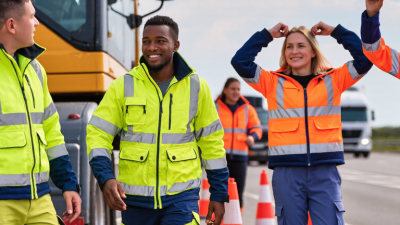
High-visibility jackets suit road crews, rail maintenance teams, and workers near moving vehicles. Choose garment visibility for the work setting and background, not color alone. ANSI/ISEA 107-2020 classifies high-visibility apparel by design and use.

FHWA recorded 891 work-zone traffic fatalities in 2022; this figure includes road users, not workers alone. Visibility matters.

For outdoor construction, utilities, and cold storage, insulated or waterproof jackets help manage wind, rain, and low temperatures. Check that reflective bands remain visible when the jacket is zipped, layered, or covered by a harness.

For welding, petrochemical work, or electrical tasks, select flame-resistant garments rated for the specific hazard. A generic “FR” label is not a complete risk assessment. Fit matters too.

Warehouse and logistics teams may need lightweight high-visibility jackets for vehicle routes, while maintenance workers may benefit from durable, abrasion-resistant fabrics.

The U.S. Bureau of Labor Statistics reported 2.6 million nonfatal workplace injury and illness cases among private-industry employers in 2023. That broad figure does not identify jacket-related incidents, but it underlines why task-based PPE choices deserve attention.

I would not rely on a product description alone; test movement, visibility, and comfort during the actual shift.

How Materials, Visibility, and Weather Protection Differ by Type

A mesh safety vest suits warm, active work where airflow matters more than warmth. Its open fabric dries quickly, but offers little protection from wind or rain. Reflective tape helps catch headlights after dusk; fluorescent fabric is more useful in daylight. Both depend on clean surfaces and a fit that stays visible over other clothing. Small detail, real difference.

A softshell jacket adds wind resistance and light rain protection without feeling bulky. Its stretch fabric works well for climbing or frequent reaching, though heavy rain can soak through. For colder, wet shifts, an insulated waterproof jacket combines a durable outer layer with warmth-trapping lining. The trade-off is weight and heat buildup during strenuous work. Some jackets also use mesh-backed vents, but vents can admit rain when left open. That part is easy to overlook.

Visibility can change when a hood, backpack, or tool belt covers reflective areas. Check the garment while wearing the equipment used on site, not just on a hanger. Choose based on the actual weather, movement, and background: a bright vest may stand out near traffic, while contrast can be weaker against similarly colored surroundings. Fabric claims alone do not tell the whole story. Even a good jacket needs care; dirt, abrasion, and poor fit can reduce its practical value.

How Global Buyers Can Compare Standards, Fit, and Use Requirements

2026 Top Safety Jacket Types for Global Buyers

A safety jacket should match the hazard, not just the purchasing category. ANSI/ISEA 107-2020 and EN ISO 20471 classify high-visibility clothing by design and minimum material areas. For example, Class 3 under EN ISO 20471 requires at least 0.80 m² of fluorescent material and 0.20 m² of retroreflective material. Check which standard the destination market recognizes; similar class labels do not guarantee identical requirements. Detail matters.

Use conditions shape the choice. Roadside crews may need conspicuous garments visible from multiple angles, while indoor warehouse staff may prioritize lighter fabric and easy movement. The U.S. Federal Highway Administration’s 2022 Traffic Safety Facts report recorded 7,522 pedestrian deaths that year. That figure is not proof that jackets prevent crashes, but it reinforces why visibility risk deserves careful assessment. Consider lighting, vehicle speed, weather, and whether workers face traffic.

Fit is a safety factor, too. Try the jacket over the actual layers workers will wear, then check shoulder reach, hem coverage, and closure security. Ask suppliers for conformity documentation, material-area details, and care instructions; repeated washing can affect performance. A neat spec sheet can still mislead. I would also test samples during a real shift, because stiff fabric or a rising hem may go unnoticed in a showroom.