Leave Your Message

How to Choose the Best Hi Vis Jacket in 2026?

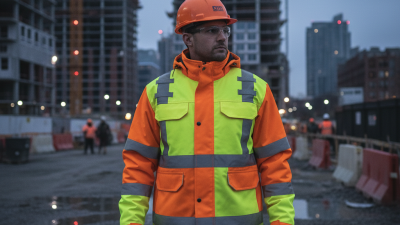
Choosing the best Jacket Hi Vis in 2026 requires more than selecting the brightest colour. Visibility can decide whether a worker is noticed near moving vehicles, machinery, or poor lighting. The right jacket must combine certified visibility, weather protection, comfortable movement, and practical durability.

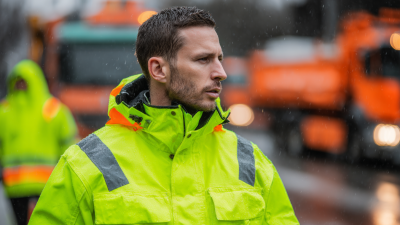
Jeffrey Stull, a recognized personal protective equipment expert and president of International Personnel Protection, states, “The purpose of high-visibility apparel is to make the wearer more conspicuous.” This principle remains central. A fluorescent yellow or orange shell helps during daylight. Reflective bands become critical at night or under vehicle headlights. Look closely at their width, placement, and condition. A damaged strip can weaken the jacket’s performance.

Weather changes the decision. A waterproof jacket may feel uncomfortable during physical work if it lacks breathable fabric. Insulation matters in freezing conditions, but excessive bulk can restrict reaching and climbing. Check the hood, cuffs, pockets, zipper, and seam sealing. Small details matter.

No jacket is perfect.

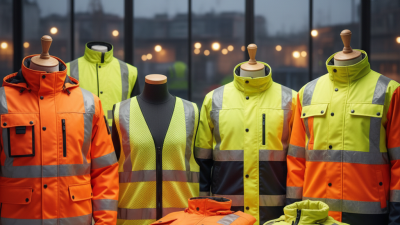
Consider the real worksite. A road crew needs strong contrast and broad reflective coverage. Warehouse workers may value lighter fabric and easier movement. Outdoor technicians need protection against rain, wind, and repeated washing. Always verify the garment’s applicable safety standard and follow workplace requirements. Standards and site rules can differ by region.

Fit should be tested with the layers worn underneath. Bend, stretch, and raise both arms. If the hem rides upward, visibility may suffer. If reflective material folds under a backpack, coverage is reduced. Choosing well means examining evidence, not trusting a bright colour alone.

How to Choose the Best Hi Vis Jacket in 2026?

Hi-Vis Jacket Basics: Purpose, Standards, and Visibility Classes

How to Choose the Best Hi Vis Jacket in 2026?

A hi-vis jacket is protective equipment, not just bright clothing. The U.S. Bureau of Labor Statistics recorded 1,942 fatal work injuries from transportation incidents in 2023. Visibility can reduce recognition delays, especially near moving vehicles, machinery, and poor lighting. In the United States, ANSI/ISEA 107 classifies garments by visibility needs. Class 1 suits low-risk areas. Class 2 adds stronger coverage for roadside or traffic exposure. Class 3 provides the highest visibility, usually with sleeves and reflective bands. EN ISO 20471 uses Classes 1, 2, and 3, but its testing and garment requirements differ. Do not treat the systems as identical.

Check the label carefully. It should state the standard, performance class, size, and care instructions. Look for broad fluorescent fabric across the torso, shoulders, and back. Retroreflective bands should remain visible from several directions. A practical test helps: stand under vehicle headlights, then inspect the jacket from the side and rear. A bright front is not enough. Fit matters too. Loose hems can catch equipment, while tight sleeves may hide reflective strips. One imperfect detail often matters most: a hood covering the shoulder bands.

Tips: Match the class to the task, traffic speed, weather, and lighting. Wash the jacket exactly as instructed. Dirt, abrasion, and repeated heat exposure can reduce performance. Replace it when colors fade or reflective areas crack. Requirements vary by workplace, so confirm the site’s risk assessment before buying.
Assessing Workplace Hazards and Required Protection Levels

How to Choose the Best Hi Vis Jacket in 2026?

Assessing Workplace Hazards and Required Protection Levels

A hi vis jacket should match the hazards around you, not simply look bright. Start with a site-based risk assessment. Identify moving vehicles, poor lighting, rain, wind, heat, and nearby machinery. A road worker may need strong daytime visibility and reflective performance at night. A warehouse worker may need visibility without excessive bulk or heat.

Protection levels should follow workplace requirements and recognized safety standards. Check the garment label, coverage area, reflective bands, and certification details. Class selection can depend on traffic speed, background contrast, and working conditions. Do not assume a thicker jacket offers better protection. It may restrict movement or cause overheating. That mistake is easy to make.

Tips: Walk through the work area before choosing. Note dark corners, vehicle routes, and changing weather. Select a jacket that fits over required layers but does not snag on equipment. Test the cuffs, hood, pockets, and fasteners while wearing gloves. Clean reflective areas regularly, because dirt reduces visibility. Replace damaged material promptly. A jacket can look acceptable while its reflective performance has already declined. Ask the site safety officer when requirements are unclear. Personal judgment helps, but it should not replace a documented assessment.

Comparing Materials, Weather Resistance, and Breathability

Choosing the best hi vis jacket in 2026 requires more than checking its color. Visibility, weather resistance, and breathability must work together. The U.S. Bureau of Labor Statistics reported 1,069 fatal injuries among transportation and material-moving workers in 2023. Many workers face traffic, rain, wind, and sudden temperature changes. A bright jacket alone cannot solve every exposure.

Start with the fabric structure. Polyester offers strong color retention and dries quickly. Polyester mesh improves airflow but provides limited wind protection. A polyurethane-coated nylon shell blocks rain more effectively, though it can feel warm during active work. Laminated fabrics often balance waterproofing and vapor release. Check the garment’s EN 343 classification or equivalent test data, rather than trusting terms like “waterproof.” Small details matter. Sealed seams, storm flaps, and adjustable cuffs reduce water entry around the wrists and neck.

Breathability deserves equal attention. ISO 11092 measures evaporative resistance, known as RET; lower values generally indicate easier moisture transfer. However, laboratory ratings may not match a worker carrying equipment under direct sun. NIOSH heat-stress guidance emphasizes reducing heat buildup and allowing recovery periods. Select vents that remain usable over a harness, and avoid thick insulation when movement generates heat. I prefer removable liners for changing conditions, but that choice adds bulk and another part to maintain. Fit also affects performance. A loose jacket may expose reflective areas, while a tight one can trap sweat. Check certification labels, wash instructions, and reflective coverage before purchase.

How to Choose the Best Hi Vis Jacket in 2026? - Comparing Materials, Weather Resistance, and Breathability

Typical performance ranges for high-visibility jacket shell constructions
Shell Material / Construction Typical Fabric Weight Water Resistance Breathability Wind Protection Durability and Care Best Use
PU-Coated Polyester 120–220 g/m² Good to very good
Typically 3,000–10,000 mm hydrostatic head when seams are sealed.
Low to moderate
Often limited by the coating; moisture vapor transmission varies widely.
Very good with a continuous coating and covered closures. Good abrasion resistance and low maintenance. Avoid high heat and fabric softeners. General construction, road work, and moderate rain.
PVC-Coated Polyester 250–500 g/m² Excellent
Often 10,000 mm or higher; fully taped seams improve storm protection.
Low
Non-porous coatings can trap heat and perspiration during active work.
Excellent in exposed, wet, and windy conditions. Highly waterproof and rugged, but heavier and less flexible. Hang dry after cleaning. Persistent rain, marine work, utilities, and low-mobility tasks.
2-Layer Laminated Polyester 140–260 g/m² Very good
Commonly 5,000–15,000 mm hydrostatic head, depending on the membrane.
Moderate
Usually more comfortable than basic coatings, but may need a separate lining.
Very good when the membrane and seams are intact. Balanced weight and protection; lining can snag if poorly designed. Mixed indoor/outdoor work and changeable weather.
3-Layer Waterproof-Breathable Laminate 180–320 g/m² Excellent
Common performance range: 10,000–30,000 mm hydrostatic head.
Moderate to high
Quality membranes may reach RET below 13; lower RET indicates better breathability.
Excellent, particularly with adjustable cuffs, hem, and hood. Strong and comfortable for prolonged use, but usually costs more and needs careful washing. Heavy rain, high-output work, and extended outdoor shifts.
Polyester-Cotton Blend with DWR 160–280 g/m² Light to moderate
DWR sheds light rain, but the fabric is not a substitute for a waterproof membrane.
Moderate to high
Generally more comfortable in dry conditions than coated shells.
Moderate; wind resistance depends on fabric density and garment design. Comfortable and durable, but cotton absorbs water and dries slowly. DWR needs renewal. Dry, mild conditions and physically active indoor/outdoor work.
Quilted Insulated Hi Vis Shell 250–500 g/m², including insulation Moderate to very good
Depends primarily on the outer shell, storm flap, and seam construction.
Low to moderate
Insulation increases warmth but can reduce moisture release during strenuous activity.
Good to excellent with a dense outer shell and adjustable openings. Warm and protective; bulkier, heavier, and slower to dry than uninsulated jackets. Cold-weather work, low activity, and stationary outdoor duties.
Selection notes: Choose a waterproof-breathable laminate for prolonged rain and active work; choose PVC-coated fabric for maximum rain protection when ventilation is less important; choose an insulated shell for cold, low-activity conditions. For certified high-visibility workwear, verify the garment’s label and documentation against the applicable local standard, such as EN ISO 20471 or ANSI/ISEA 107.
Technical reference: Hydrostatic-head values are commonly reported in millimetres, with higher values indicating greater resistance to water pressure. RET is a textile evaporative-resistance measure; lower values indicate better breathability. The figures above are typical ranges for fabric constructions and can vary with coatings, membranes, seam sealing, laundering, and garment design.

Choosing the Right Fit, Features, and Safety Details

Choosing the best hi vis jacket in 2026 starts with fit, not color. During a winter roadside inspection, I learned that loose sleeves can catch on equipment. A jacket should close comfortably over work layers without pulling across the shoulders. Raise both arms. If the hem lifts sharply, the cut may be wrong. Check the cuffs, collar, and hood before buying. Good fit helps reflective panels remain visible.

Weather and daily tasks should guide the features. Choose breathable fabric for active work, but seek waterproof protection for constant rain. Underarm vents can reduce sweat during physical jobs. Zippers should move smoothly, even with gloves. Secure pockets protect keys, phones, and small tools. A longer back can add comfort when bending, although it may feel warm indoors. Small details matter.

Look for bright fluorescent material, wide reflective bands, and clear contrast around the torso and arms. The reflective sections should remain visible from several directions. Check the garment label for the workplace visibility standard required in your area. Inspect stitching, tape edges, and closures before each shift. I once ignored a peeling reflective strip because the jacket still looked clean. That was a poor decision. Replace damaged safety details promptly. Avoid oversized designs that hide the reflective pattern, but allow enough room for movement and seasonal layers. A practical jacket should support safe work without becoming another distraction.

Checking Quality, Care Requirements, and Long-Term Value

When choosing a hi vis jacket in 2026, inspect more than its bright colour. Look for even stitching, firmly attached closures, and reflective bands that lie flat. Pull gently at pocket openings and cuffs. Small gaps can become costly failures. Check the garment label, conformity markings, and supplier instructions for the intended work environment. Water resistance, breathability, and insulation should match your actual conditions, not an online photograph.

Care requirements often decide whether a jacket remains dependable. Follow the washing temperature carefully, and avoid bleach unless the instructions permit it. High heat can damage reflective materials and reduce visibility. Close zippers before washing, then air-dry the jacket when possible. Inspect it after muddy shifts, especially around the shoulders, elbows, and lower hem. A clean jacket may look safer, but cleanliness cannot repair torn tape.

Long-term value means calculating cost per season, not simply choosing the lowest price. A durable outer shell, replaceable fasteners, and strong seam construction can justify a higher purchase cost. Fit matters too. A jacket that restricts movement may remain unused, despite excellent materials. It is tempting to trust appearance alone. I would reconsider that habit. A jacket can look perfect under store lighting yet feel clammy during a wet, demanding shift. Test pocket access with gloves, check room for layers, and keep realistic expectations about wear. No garment lasts forever. A damaged jacket needs prompt replacement, even when the budget feels tight.

How to Choose the Best Hi Vis Jacket in 2026?

Use this brand-neutral scorecard to compare visibility compliance, weather protection, durability, care requirements, and long-term value before buying. The percentages represent a practical purchasing priority model rather than brand-specific performance data.

How to use it: Give each jacket a score from 1 to 5 for every category, then multiply the score by the category weight. Always check the garment label for the applicable high-visibility standard, washing instructions, reflective-material limitations, and replacement guidance.