Leave Your Message

How to Choose the Right Safety Jacket for Your Needs?

A Safety Jacket is more than a bright layer. It must suit the work, the environment, and the person wearing it. A road crew member needs visibility in rain and low light. A warehouse worker may need freedom to reach, bend, and lift. The right choice starts with the actual hazard, not a color preference or a familiar label.

Occupational hygienist Dr. John Cherrie’s work focuses on assessing workplace exposure. A practical paraphrase of that approach is: “Choose protection for the hazard you face, then check that it works in practice.” That is not a verified quotation. It is a useful reminder. Reflective bands, fabric weight, fit, closures, and ventilation can all affect whether a jacket serves its purpose. A jacket that restricts movement may be left unzipped. A heavy one can feel miserable during a long shift. Small details matter.

This guide will help you compare jacket types, materials, visibility features, and fit. It will also consider weather, task demands, and care requirements. There is no perfect choice for every workplace. Even careful selection can miss something; conditions change, and workers may notice problems only after wearing a jacket for several hours. That deserves a second look. Use the sections ahead to identify your needs, compare options, and ask practical questions before buying. Safety should be visible. Comfort matters too.
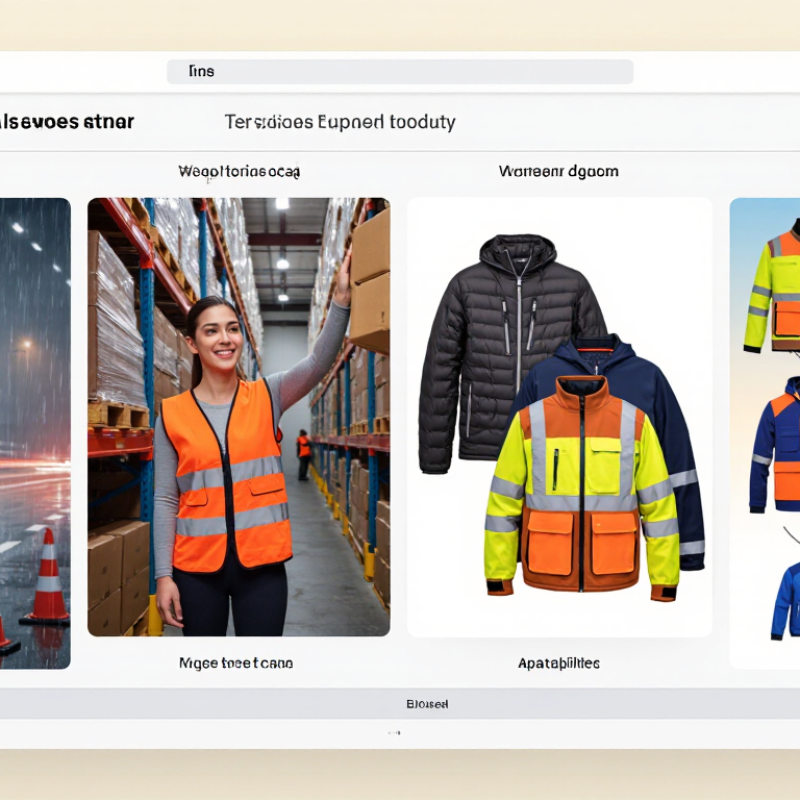
How to Choose the Right Safety Jacket for Your Needs?

Understanding Safety Jackets and Their Protective Purpose

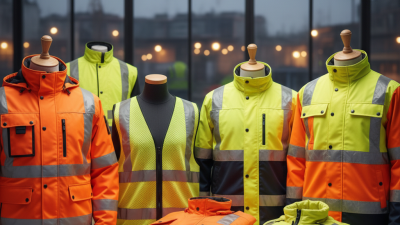
A safety jacket is designed to make a worker easier to notice, not to protect against every workplace hazard. Fluorescent fabric stands out in daylight, while reflective bands return light from vehicle lamps in dim conditions. These features matter near moving equipment, roadside work, warehouses, and poorly lit loading areas. Visibility matters. The jacket’s color and reflective coverage should suit the surroundings; bright yellow can blend into some backgrounds, while orange may show more clearly against them. Yet color alone cannot guarantee that a driver sees someone.

A jacket also needs to work with the task. Check whether its fabric resists wind or rain, and whether closures stay secure while bending or reaching. Fit matters. Sleeves should not snag, and reflective strips should remain visible when a worker wears a harness or carries tools. A bulky coat may restrict movement; a thin vest may be inadequate in cold rain. That trade-off is easy to overlook. Identify the actual risks, then check the garment’s care label and stated performance details. Washing, abrasion, and fading can reduce visibility over time, so inspect seams and reflective areas regularly. A jacket is one layer of a safety plan, not a substitute for lighting, training, or safe work procedures.

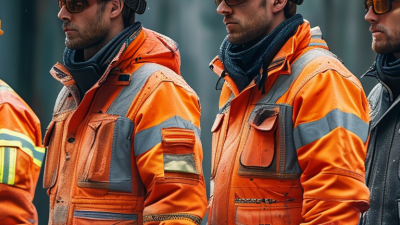
Assessing Workplace Hazards and Visibility Requirements

Assess the hazards before choosing a safety jacket. Note moving vehicles, forklifts, machinery, low light, weather, and how far away workers must be seen. A warehouse worker near reversing forklifts faces different risks from a road crew member at dusk. Check whether the jacket could snag on equipment or restrict movement. Visibility matters, but so does fit.

The U.S. Bureau of Labor Statistics recorded 5,283 fatal work injuries in 2023; transportation incidents accounted for 1,942, the largest event category. These figures make vehicle exposure an important part of hazard assessment, not an afterthought. Match garment visibility to the task and setting, using ANSI/ISEA 107 guidance to compare garment performance classes. Also consider background clutter: fluorescent material can blend into bright surroundings, while reflective trim needs light to return. A jacket cannot replace separation from traffic or clear worksite controls. It is easy to overestimate what reflective strips alone can do.

Tips: Walk the work area during the actual shift. Check visibility from a driver’s viewpoint, then inspect the jacket over required layers. Look for covered reflective bands, dirt, fading, and loose closures. Replace damaged gear; small flaws can matter.

Comparing Safety Jacket Classes and Applicable Standards

Choosing a safety jacket starts with the worksite, not the color. The U.S. Bureau of Labor Statistics recorded 2,066 fatal transportation incidents among workers in 2022, in its Census of Fatal Occupational Injuries. High-visibility clothing cannot prevent every incident, but it can help workers stand out in traffic or low light.

Under ANSI/ISEA 107, garment classes indicate the amount of visible material and the level of exposure they suit. Class 1 is intended for lower-risk settings; Class 2 offers more visibility for roadside work and moving traffic; Class 3 provides the greatest coverage for demanding conditions, including poor visibility. The standard also identifies garment types for different work environments. In Europe, EN ISO 20471 uses performance classes based on the amount of fluorescent and retroreflective material. The systems are not interchangeable.

Check the applicable standard and site assessment before buying. A jacket’s reflective bands may be hidden by a tool belt, backpack, or open raincoat. Small detail. Fit matters, too: sleeves should not cover the bands, and the jacket should remain visible when workers bend or turn. A class label is useful, but it cannot account for every shift, weather change, or obstruction. That part deserves a second look.

Selecting Materials, Fit, and Weather Protection

Choosing a safety jacket starts with the tasks and conditions you face, not its appearance. For roadside work or busy loading areas, bright fluorescent fabric helps you stand out in daylight. Reflective bands matter in low light, but their placement should remain visible when you bend or reach. Check the garment’s stated visibility rating against your workplace requirements.

Material affects comfort as much as durability. Lightweight mesh can suit warm, active shifts, while tougher woven fabric may handle frequent contact with equipment. A waterproof outer layer helps in steady rain, yet it can feel clammy during hard work. Look for ventilation, sealed seams, and closures that are easy to operate with gloves. Small details matter.

Fit is personal. Try the jacket over the layers you expect to wear, then raise your arms and turn your shoulders. The hem should stay in place, and sleeves should not cover your hands. In cold weather, leave room for a warm layer without making the jacket loose enough to snag. One easy oversight is choosing for the current forecast alone. Consider changing temperatures, wind, and how much you move during a typical shift.

Maintaining and Replacing a Safety Jacket

A safety jacket can look serviceable while its reflective tape has begun to peel. Inspect it before each shift, under bright light. Check for faded fluorescent fabric, torn seams, missing fasteners, and cracked or cloudy reflective strips. Look closely. Dirt, oil, and repeated abrasion can reduce visibility, even when damage seems minor. Keep a simple inspection log; it is easy to forget how often a jacket has been washed.

Follow the care label rather than using harsh cleaners or high heat. Wash the jacket separately when possible, and close fasteners to limit snagging. Let it dry fully before storing it in a clean, dry place away from sunlight. ANSI/ISEA 107-2020 covers high-visibility apparel requirements and labeling; use the garment’s stated care instructions and wash-life limits. A clean jacket is not automatically a safe one.

Replace a jacket when its color is noticeably dull, reflective material is lifting, or damage cannot be repaired without covering visibility features. The U.S. National Highway Traffic Safety Administration reported 7,522 pedestrian deaths in 2022. That figure does not measure jacket effectiveness, but it underlines why visibility deserves attention. Replacement timing is not always obvious; when performance looks doubtful, ask your safety supervisor rather than guessing.

How to Choose the Right Safety Jacket for Your Needs? — Maintaining and Replacing a Safety Jacket

Maintenance Area Recommended Practice When to Inspect When to Repair or Replace
Pre-use inspection Check the jacket for tears, open seams, missing fasteners, heavy soiling, and damage to reflective or fluorescent areas. Before each use, especially before work in traffic or low-light conditions. Remove it from service if damage affects fit, coverage, fastening, or visibility. Replace it if it cannot be properly repaired.
Cleaning Follow the garment care label. Use the specified washing method and detergent; avoid bleach or other chemicals unless the care instructions allow them. When the jacket is dirty or its visibility is reduced by soil, grease, or other contamination. Replace it if contamination cannot be removed or if cleaning has visibly damaged the fabric, color, or reflective material.
Reflective material Keep reflective strips clean and check for peeling, cracking, missing sections, or substantial wear. During each pre-use inspection and after washing or exposure to harsh conditions. Replace the jacket if reflective material is substantially damaged, detached, or no longer provides clear visibility.
Fluorescent fabric Keep the fabric clean and avoid unnecessary exposure to sunlight, chemicals, and abrasive surfaces. Regularly, and whenever the jacket looks faded or discolored. Replace it if fading, staining, or discoloration is significant enough to reduce its visibility.
Fasteners and fit Test zippers, snaps, hook-and-loop closures, and adjustable sections. Wear the jacket closed and in a way that does not obscure required visibility areas. Before each use and after repairs. Repair only if the jacket can still be secured and worn as intended; replace it if closures or fit cannot be restored.
Storage Store the jacket clean and dry in a well-ventilated place, away from direct sunlight, excessive heat, and chemicals. After use and before putting it away for an extended period. Replace it if improper storage has caused persistent mildew, material deterioration, or loss of visibility.
Service life and records Follow the garment label and manufacturer’s care and service-life guidance. Keep track of issue dates, washing, damage, and repairs where practical. Review during routine equipment checks and whenever workplace conditions change. Replace it when its stated service life ends, when inspection shows it is no longer fit for use, or when required by workplace policy.

Important: A safety jacket’s condition, care instructions, and required visibility level depend on the garment and work environment. Follow the garment label, applicable workplace rules, and relevant safety requirements. Do not use a damaged or visibly degraded jacket where high visibility is needed.