Leave Your Message

How to Choose the Right High Visibility Vest?

Choosing a High Visibility Vest is not simply a matter of picking the brightest color. The right option should match the work, surroundings, weather, and movement involved. A road crew member needs to stand out against traffic and pavement; a warehouse worker may need clear visibility around forklifts, racks, and dim aisles. Small details matter. Reflective bands should remain visible when the wearer turns, bends, or reaches. The vest should fit over expected layers without catching on equipment. Comfort matters, too. If it feels hot or restrictive, workers may leave it unzipped or avoid wearing it.

NIOSH researcher Stephanie Pratt has studied worker visibility. A useful paraphrase of her research—not a verbatim quotation—is: “Visibility depends on the worker, the clothing, and the background.” That principle helps frame this guide. Check the garment’s labeling and performance class, then compare it with the hazards and visibility conditions of the specific job. Look at color contrast, reflective material, fit, closures, pockets, and care instructions. Inspect the vest after washing; faded fabric, torn seams, or damaged reflective strips can reduce its usefulness. Simple checks help.

There is no perfect vest for every task. A bright garment may still blend into a busy background, and extra features can add weight or restrict movement. Choosing well means weighing those trade-offs, not relying on color alone. This guide outlines practical questions to ask before buying, so the vest suits real work—not just a product photo.

How to Choose the Right High Visibility Vest?

Identify the Work Setting and Visibility Risks

Choosing a high-visibility vest starts with the work setting, not the color. A warehouse aisle has different risks from a roadside shoulder. Note vehicle speed, worker distance, lighting, weather, and background clutter. A practical site walk can reveal hazards that a written task list misses: a dark loading bay, reflective windows, or a worker hidden behind stacked materials. Small details matter.

The U.S. Bureau of Labor Statistics reported 5,283 fatal work injuries in 2023; transportation incidents accounted for 1,942. These figures cover many industries, but they underline why moving vehicles deserve close attention. For roadway work, assess whether the task and exposure call for a higher-performance garment class under ANSI/ISEA 107-2020. In a controlled indoor area, the needs may differ. Match the vest to the risk, and check that reflective material remains visible when workers bend, turn, or carry tools. Fit matters. So does upkeep.

A site assessment is never perfect. Conditions change with rain, shift schedules, and temporary equipment. Recheck visibility when the work area changes, rather than assuming yesterday’s choice still fits. A vest cannot remove a hazard, and it should not substitute for separation from traffic or other controls.
Understand High-Visibility Vest Classes and Standards

High-visibility vest classes describe how much visible material a garment provides for different work environments.

In the United States, ANSI/ISEA 107 groups garments by class and intended use; other regions may follow different standards. Class 1 is generally intended for lower-risk settings, while Class 2 and Class 3 provide increasing visibility for more demanding exposure.

Check the garment label rather than judging by color alone. The label should identify its standard, class, and type.

Daylight and darkness call for different features.

Fluorescent fabric helps workers stand out in daylight, while retroreflective bands return light from headlights or work lamps. Both matter near moving vehicles.

A vest can meet a class on paper and still be a poor fit for a specific task. Consider traffic speed, background clutter, weather, and whether a jacket will cover the reflective bands.

Fit matters, too. Choose a size that stays visible over work layers without restricting movement.

Inspect the label and fabric regularly; dirt, fading, or torn bands can reduce visibility. Check current workplace requirements, since standards and site rules may differ.

I might miss a detail. That is why the garment label deserves a close look.

Choose Colors and Reflective Features for the Conditions

How to Choose the Right High Visibility Vest?

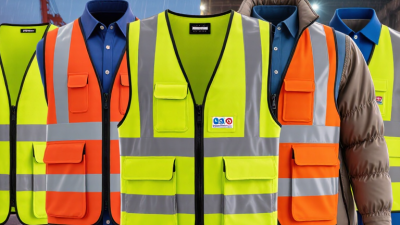
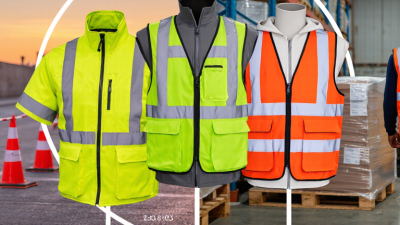
Choose vest colors that stand out against the setting. Fluorescent yellow-green often contrasts with trees, grass, and dim urban backgrounds, while orange can be easier to distinguish near soil or roadwork. The best choice depends on what surrounds you. A bright vest may blend into a brightly colored work area, so check it against the actual background before work begins.

Reflective features matter when light is limited. Reflective strips return light from sources such as vehicle headlights; they do not produce light on their own. Look for visible bands across the torso and shoulders, and make sure jackets, tool belts, or backpack straps do not cover them. At night, placement matters. So does a clear light source.

Match the vest to the conditions and the task. For moving traffic, choose a design that stays visible from several angles. In hot weather, breathable fabric may help, but loose material can snag or shift. Fit is a compromise. It is tempting to buy one vest for every situation, yet wear, dirt, and fading can reduce visibility. Check the garment regularly, and follow your workplace’s visibility requirements. A quick check in daylight and under available lighting can reveal details you might otherwise miss.

Compare Fit, Materials, and Functional Details

How to Choose the Right High Visibility Vest?
Compare Fit, Materials, and Functional Details

Choose a vest by how it sits during the actual task, not by its size label. During a fitting check, reach overhead, crouch, and turn. The hem should stay in place without catching on a belt. A loose front can snag, while tight arm openings may restrict layers. Fit matters. Try it over the jacket or shirt workers will wear, especially on cold shifts.

Material should suit the light and work conditions. Fluorescent fabric helps workers stand out in daylight, while retroreflective tape returns light toward its source in darker conditions. The Federal Highway Administration reports 891 deaths in work-zone crashes in 2022. This figure describes crash fatalities; it does not measure vest effectiveness. Use ANSI/ISEA 107 performance classes as a reference when matching garment visibility to the work environment. Small detail: tape placement matters when workers turn or bend.

Check functional details before buying. Zippers and closures should be easy to use with gloves, and pockets should not make the vest sag or twist. Look for clear care instructions, since repeated washing can affect fabric and reflective elements. There is no perfect vest for every shift. A pocket that seems useful indoors may feel bulky outdoors, so test the garment during realistic movements before choosing.

How to Choose the Right High Visibility Vest? — Compare Fit, Materials, and Functional Details

Vest Type Fit and Layering Typical Materials Functional Details Best Suited For Points to Check
Lightweight mesh vest Usually relaxed and easy to wear over a shirt or light jacket. Adjustable sides can improve fit across different clothing layers. Open polyester mesh, often with solid fabric trim. Lightweight construction; commonly has a front zipper and a few pockets. Warm weather, indoor facilities, and tasks where airflow is important. Mesh may snag more easily than solid fabric. Check that the vest stays secure and does not obstruct movement.
Solid-fabric vest Often has a more structured fit and can be worn over work clothing. Confirm the size allows comfortable reaching and bending. Woven polyester or a polyester blend. Durable panels can support pockets, ID holders, and tool loops. General construction, warehouse, and roadside work where added storage is useful. Less breathable than open mesh in hot conditions. Look for reinforced seams and closures suited to frequent use.
Breakaway vest Designed with release points that separate if the vest is caught or pulled. Fit should be secure without restricting movement. Typically polyester mesh or lightweight woven fabric with breakaway closures. Hook-and-loop or other release panels may be placed at the shoulders, sides, and front. Work around moving equipment or other snag hazards, when required by the site risk assessment. Breakaway construction is not a substitute for task-specific safety procedures. Check that closures release as intended and remain fastened during normal work.
Multi-pocket surveyor-style vest Usually cut to fit over workwear; adjustable sides or a range of sizes help accommodate layers. Mesh, woven polyester, or a combination of both. May include multiple pockets, a radio loop, an ID window, and a longer back panel. Surveying, inspection, maintenance, and jobs requiring frequent access to small tools or documents. Loaded pockets add weight and can affect fit. Ensure pocket placement does not cover reflective material.
Insulated or weather-resistant vest Typically roomier to accommodate base layers. Check shoulder and arm openings for comfortable movement. May combine a weather-resistant outer fabric with a lining or insulation. Can offer a front closure, covered pockets, and a higher collar for added coverage. Cold, windy, or damp conditions when a vest is more practical than a full jacket. Extra layers can change the garment’s fit and visibility. Confirm reflective material remains visible and the garment is appropriate for the conditions.

Selection note: Choose a vest that fits securely over the clothing worn on the job, allows unrestricted movement, and provides the required visibility for the work environment. Check the garment label and applicable workplace or local requirements; a vest’s appearance alone does not establish compliance with a visibility standard.

Check Care, Inspection, and Replacement Needs

A high-visibility vest needs regular care to remain visible. Follow its care label, since washing instructions vary by fabric and reflective material. Close fasteners before washing, and use the recommended water temperature and detergent. Avoid bleach or high heat unless the label allows them; either may damage the fabric or reflective bands. Let the vest dry fully before storing it. Damp gear can develop odors and may be harder to inspect.

Check the vest before each shift, especially after a snag, spill, or rough wash. Look for faded fabric, cracked or peeling reflective strips, loose stitching, and broken closures. Small details matter. Hold the vest under good light and turn it over; damage near the sides or back is easy to miss. If dirt or grease remains after washing, visibility may be reduced. Do not guess.

Replace a vest when its reflective material is badly worn, its fabric is torn, or it no longer fits securely. There is no single service life that suits every vest; use, washing frequency, and site requirements all affect replacement timing. If you are unsure whether a damaged vest still meets workplace needs, set it aside and ask the safety lead to assess it. That extra check may feel cautious, but appearance alone cannot confirm performance.