Leave Your Message

How to Choose the Right Reflective Vest for Global Buyers?

Choosing the right Reflective Vest is not a simple color decision. It is a risk-control decision for roads, warehouses, ports, construction sites, and emergency work.

The U.S. Bureau of Labor Statistics’ Census of Fatal Occupational Injuries consistently identifies transportation incidents among the most serious workplace hazards. NIOSH also emphasizes visibility, vehicle separation, and worker awareness in struck-by prevention guidance. A vest cannot remove every danger. It can improve recognition when lighting, weather, traffic, and background conditions change.

Standards matter. ANSI/ISEA 107-2020 defines performance requirements for high-visibility safety apparel in the United States. ISO 20471 provides a comparable framework for many international markets. These standards address background material, retroreflective material, design, and garment classification. However, certification alone does not guarantee practical suitability. A Class 2 vest may fit roadside maintenance, while a Class 3 garment may better support workers exposed to fast traffic or poor visibility.

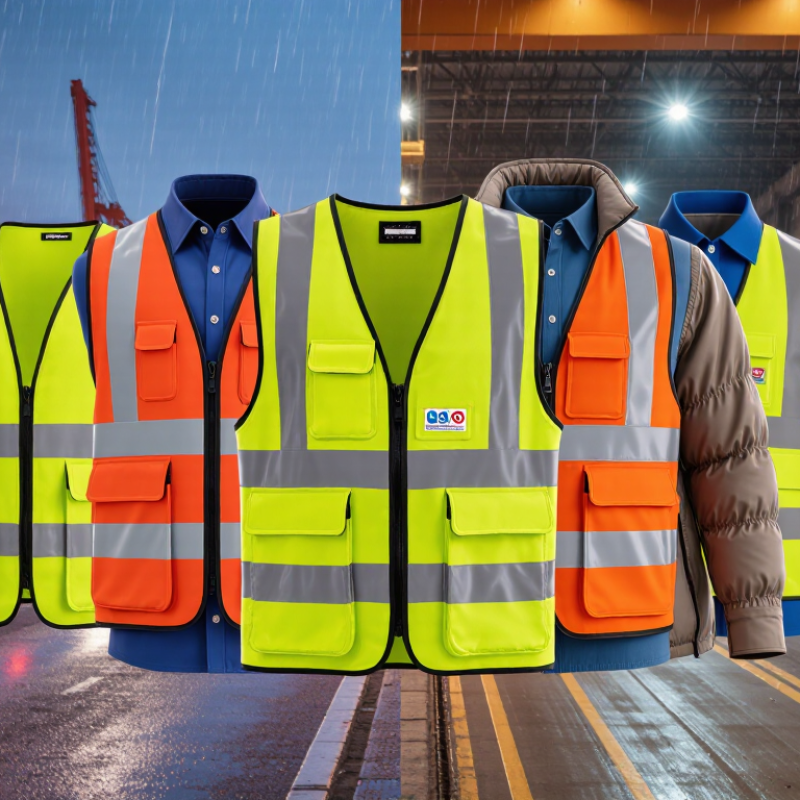
Think about the real worksite. Picture a driver approaching through rain, with headlights reflecting from wet asphalt. Can the worker’s torso and arms be recognized quickly? Will the vest remain visible over a winter jacket? Does the closure survive repeated washing? Small details become operational issues.

Global buyers should also verify test reports, material composition, sizing consistency, supplier traceability, and care instructions. Procurement teams often focus on unit price. That can be shortsighted. A cheaper vest may fade, tear, or fit poorly after several shifts. I may be overly cautious, but visibility equipment deserves more than a catalog comparison. Reliable selection connects standards, field experience, worker comfort, and documented supplier evidence.
How to Choose the Right Reflective Vest for Global Buyers?

Understanding Reflective Vest Types and Their Safety Standards

How to Choose the Right Reflective Vest for Global Buyers?

Reflective vests differ in fabric, visibility level, and intended workplace. Mesh vests feel cooler on hot sites, while solid fabrics offer better coverage in wind or light rain. Breakaway designs can release when snagged, but they may not suit every task. Choose the type after checking movement, heat, vehicle distance, and work duration.

Safety standards matter more than appearance. In North America, buyers often review ANSI/ISEA 107 requirements. European projects commonly reference EN ISO 20471, while Australia and New Zealand may use AS/NZS 4602.1. These standards address background material, reflective tape, garment design, and visibility performance. Requirements can change by risk level and garment class. Confirm the current edition with an accredited testing body or qualified compliance specialist. Do not rely only on a supplier’s printed claim. I have seen attractive vests fail practical checks because tape width or fluorescent coverage was insufficient.

Tips: Request test reports, wash-care data, and size charts before ordering. Inspect tape brightness under vehicle headlights, not only under warehouse lighting. Ask whether the vest remains visible over winter jackets. Also check stitching around pockets and shoulders. Small defects matter. A low price can become expensive after repeated replacement. Allow for regional standards, worker feedback, and imperfect field conditions when comparing samples.

Matching Vest Visibility Levels to Work Environments

For global buyers, vest visibility must match the work environment, not just the purchase price. ANSI/ISEA 107-2020 separates high-visibility apparel into Performance Classes 1, 2, and 3. Class 3 provides the greatest visibility through more background and retroreflective material. In the United States, FHWA regulation 23 CFR Part 634 requires compliant high-visibility apparel for workers exposed to traffic on federal-aid highways.

Match the class to movement, speed, and background contrast. Class 1 may suit low-risk warehouse tasks with slow vehicles and controlled lighting. Class 2 fits delivery yards, roadside maintenance, and daylight work near moving traffic.

Class 3 is more suitable for night operations, poor weather, or workers near fast vehicles. EN ISO 20471 also uses three visibility classes, but its material-area requirements differ from ANSI/ISEA 107. Global buyers should not treat the two systems as identical.

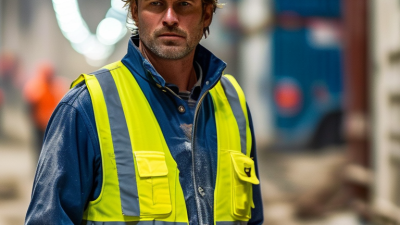
Look closely at the worksite. A fluorescent yellow vest can disappear beside bright construction boards, while orange may provide stronger contrast in some landscapes. Retroreflective tape should remain visible when headlights strike it, even after repeated washing. Check the supplier’s test reports, garment size range, washing instructions, and certification scope. A catalog photograph proves very little. I have seen buyers choose the highest class, then discover that heavy tools cover the reflective bands. That decision needs reconsideration. The vest, outerwear, harness, and equipment must work together without blocking critical visibility zones.

Selecting the Right Materials, Fit, and Comfort Features

For global buyers, vest selection should begin with material performance, not color alone. The U.S. Bureau of Labor Statistics reported that transportation incidents caused 37.7% of occupational fatalities in 2022. Visibility matters.

Choose fluorescent polyester for daytime contrast and durable retroreflective tape for low-light work. EN ISO 20471 and ANSI/ISEA 107 define visibility classes, surface areas, and performance tests. Check the certificate, tape width, and wash durability before ordering. A shiny sample can still fail after repeated cleaning.

Fit affects safety and daily acceptance. Measure over the worker’s normal jacket, not a thin shirt. Adjustable side panels help mixed-size teams, while longer backs reduce exposed gaps during bending. Mesh panels improve airflow in hot warehouses. Soft binding around the armholes prevents chafing, although poorly stitched edges can irritate skin.

Comfort is practical safety.

A 2023 NIOSH review of occupational heat stress emphasizes clothing, workload, and airflow as important exposure factors. Therefore, buyers in tropical regions should consider breathable mesh and lighter construction. Cold-weather users may need a vest that fits over insulated layers. This creates a difficult trade-off: more coverage improves visibility, but extra fabric can increase heat and weight. Samples should be tested during realistic shifts, not only inspected on a table. I would also question vague claims such as “high visibility” without test methods, garment measurements, or care instructions.

How to Choose the Right Reflective Vest for Global Buyers?

Selecting the Right Materials, Fit, and Comfort Features

The chart compares the minimum material areas commonly specified for ANSI/ISEA 107 high-visibility safety apparel classes. Higher classes require more background fluorescent material and retroreflective material for increased visibility. Buyers should also confirm garment fit, adjustable closures, breathable fabric, lightweight construction, and unrestricted movement for wearer comfort.

Checking Compliance, Durability, and Customization Options

Global buyers should treat a reflective vest as safety equipment, not a promotional garment. Compliance begins with the destination market. In the United States, ANSI/ISEA 107-2020 separates garments by performance class and work environment. In Europe, EN ISO 20471 defines high-visibility requirements and garment classes. Ask suppliers for current test reports, labels, fiber content, and laboratory details. Do not accept a generic “CE approved” claim. The U.S. Bureau of Labor Statistics recorded 5,283 fatal work injuries in 2023. Its workplace injury report also recorded 2.6 million nonfatal cases in private industry. These figures do not isolate visibility failures, but they support traceable safety purchasing.

Durability requires more than thick fabric. Inspect reflective tape adhesion, stitching density, zipper strength, and color stability. Fluorescent fabric can fade under sunlight, rain, dust, and repeated washing. Ask for wash-cycle evidence and follow the care label carefully. ISO 6330 washing procedures can help compare laboratory results, but real work sites are harsher. A vest can pass a sample check and still disappoint later. Fit still matters.

Customization should never cover required reflective areas. Place logos on clear chest or back zones, then review a full-size production sample. Confirm size grading, pocket positions, fabric weight, and color contrast before mass production. Small details matter. I would also request photographs after washing and abrasion testing, although photographs cannot replace certified reports. A lower price may look efficient, yet replacing faded or poorly fitted vests creates hidden costs. The better decision balances compliance evidence, service life, worker comfort, and honest supplier communication.

Comparing Suppliers, Costs, and Global Purchasing Requirements

Global buyers need more than a bright vest and a low unit price. Supplier comparison should begin with measurable details: fabric weight, reflective area, stitching, closure type, and size range. Ask for production samples, test reports, and recent quality records. A factory that answers quickly but avoids documents deserves caution. In practical sourcing work, I have found that sample consistency matters more than attractive photographs. Small differences become obvious after washing.

Cost should be assessed per usable vest, not per piece alone. Add sampling, customization, packaging, inspection, freight, and possible replacement costs. A cheaper vest may use thinner mesh or weaker reflective tape. That saving can disappear when buyers handle returns. Request tiered quotations for several order volumes. Confirm whether prices change with color, logo placement, or special sizing. Keep the calculation visible. It prevents friendly negotiations from becoming expensive assumptions.

Global purchasing also requires clear shipping and product documentation. Confirm carton dimensions, gross weight, packing lists, invoices, and agreed delivery terms before payment. Requirements vary by destination, so buyers should verify local visibility, labeling, chemical, and import rules with qualified professionals. Do not rely on one supplier’s promise. I have sometimes treated a familiar specification as universal, and that assumption was wrong. Leave time for pre-shipment inspection and independent testing. A few extra days can protect an entire order.

How to Choose the Right Reflective Vest for Global Buyers?

Comparing Supplier Types, Costs, Performance, and Global Purchasing Requirements

Supplier Type Typical Product Range Indicative FOB Price per Vest (USD) Typical MOQ Production Lead Time Customization Capability Best Suited For Main Purchasing Risk
Stock distributor Basic polyester mesh vests, standard colors, standard reflective tape $1.20–$3.50 50–500 pieces 3–10 business days Low; usually limited to labels or packaging Urgent orders, small projects, local replenishment Limited size range and inconsistent availability
Private-label manufacturer Mesh, solid fabric, two-tone, pocketed, zipper, and custom-logo vests $1.00–$4.80 500–3,000 pieces 20–40 business days High; color, logo, tape layout, labels, packaging Retail programs, distributors, recurring corporate orders Sample approval and artwork errors can delay production
Large-volume factory High-volume standard or custom safety vests with automated cutting and sewing $0.70–$2.40 3,000–10,000 pieces 30–60 business days Medium to high; optimized for repeat designs Government tenders, major construction programs, national distribution Less flexible for small changes or mixed-size orders
Technical safety-wear supplier Certified high-visibility garments, flame-resistant, anti-static, waterproof, or multi-risk designs $8.00–$35.00+ 100–1,000 pieces 30–75 business days Medium; technical specifications may restrict modifications Oil and gas, utilities, road work, industrial and high-risk environments Higher cost and stricter certification control
Local contract manufacturer Region-specific designs, rapid replenishment, local-language labels $3.00–$12.00 100–1,000 pieces 10–30 business days Medium to high Buyers requiring short transport distances or local compliance support Higher labor cost and limited production capacity
Evaluation Dimension Recommended Purchasing Check Common Requirement or Benchmark Why It Matters to Global Buyers
Reflective performance Request laboratory test reports for the exact fabric, tape, color, and garment configuration Retroreflective performance should be verified against the destination-market standard Reflective performance can vary after washing, abrasion, storage, and exposure to moisture
European market compliance Confirm conformity with EN ISO 20471 where high-visibility workwear is required Class 1, Class 2, or Class 3 based on minimum background and retroreflective material areas Class selection depends on risk, work environment, and the required visible surface area
United States market compliance Check the garment category and labeling against ANSI/ISEA 107 requirements Type O, Type R, or Type P; Performance Class 1, 2, or 3, depending on use Roadway, off-road, and public-safety applications may require different garment classifications
Australia and New Zealand Review requirements under AS/NZS 4602.1 and related material visibility standards Day-only and day/night high-visibility garments have different design expectations Local standards may specify color, tape arrangement, and garment configuration
Garment material Compare polyester mesh, solid polyester, cotton blends, and technical fabrics Mesh improves ventilation; solid fabric generally provides greater coverage and durability Climate, work intensity, laundering, and expected service life affect the correct choice
Reflective tape width Confirm tape width, placement, contrast, and continuity on the approved sample Common commercial widths include approximately 2.5 cm, 5 cm, and 7.5 cm Wider or continuous tape can improve visibility but may increase price and heat retention
Color selection Specify fluorescent yellow, fluorescent orange, or another color accepted by the target standard Fluorescent colors support daytime conspicuity; retroreflective tape supports nighttime visibility Color acceptance differs by market, industry, and certification route
Sizing Request a measurement chart in centimeters and approve a size-set sample Common adult ranges include S–5XL; larger sizes should be checked for adequate tape coverage Incorrect grading can reduce comfort, coverage, and compliance with visibility requirements
Wash durability Ask for care instructions and test results after the stated number of wash cycles Follow the relevant standard and the tape manufacturer’s specified washing conditions Repeated laundering can reduce fluorescent color and retroreflective performance
Logo and decoration Keep printed or embroidered areas away from required reflective zones Decoration should not reduce the minimum visible area or interrupt required tape layouts Large logos can create a compliance issue even when the base vest is certified
Documentation Collect technical data sheets, test reports, declarations, care labels, and inspection records Documents should identify the exact model, materials, test method, and production version Generic certificates may not prove that the supplied garment matches the tested design
Pre-shipment inspection Inspect color, dimensions, tape placement, stitching, zippers, labels, packaging, and carton quantity AQL levels should be agreed in the purchase contract before production begins Inspection reduces risks from mixed sizes, incorrect logos, stains, missing tape, and packing errors
Packaging and labeling Specify individual polybags, size stickers, carton marks, barcode format, and language requirements Packaging should match destination import, warehouse, and retail requirements Correct labeling reduces customs delays and improves inventory handling
Shipping cost impact Compare product price together with carton dimensions, gross weight, freight, duties, and insurance Use landed cost rather than FOB price alone for supplier comparison Low unit prices can be offset by high freight, import duty, or oversized packaging costs
Indicative Order Volume Typical Unit Price Position Expected Sampling Approach Recommended Quality-Control Focus Suitable Purchasing Strategy
100–500 pieces Highest unit cost; approximately $1.50–$12.00 depending on specification Approve one pre-production sample and a complete size set where possible Dimensions, logo accuracy, tape placement, color, and packaging Use stock or low-MOQ suppliers; prioritize availability and delivery speed
500–3,000 pieces Mid-range unit cost; approximately $1.00–$6.00 for common designs Review fabric swatches, artwork, size-set samples, and wash-care labels Material consistency, sewing quality, size grading, and batch color variation Use private-label production with a written technical specification
3,000–10,000 pieces Lower unit cost; approximately $0.70–$3.50 for standard designs Conduct pilot production approval before full-scale manufacturing Reflective performance, production-line consistency, carton accuracy, and final inspection Negotiate annual volume, staged deliveries, and price protection for repeat orders
10,000+ pieces Potentially lowest unit cost, subject to fabric, tape, certification, and packaging choices Approve golden samples and retain reference samples from the production batch Raw-material traceability, process control, laboratory testing, and shipment consistency Use a framework agreement with defined quality, delivery, and corrective-action terms
Purchasing note: All prices and lead times are indicative commercial ranges in USD and can change according to fabric weight, reflective tape specification, certification, order quantity, customization, shipping terms, seasonality, and destination country. Buyers should verify the current quotation and confirm that the final garment—not only an individual fabric or tape component—meets the requirements of the target market.