The global Hi Vis Jacket market is becoming more specialized, not merely larger. Grand View Research has reported continued growth in high-visibility clothing, supported by construction, road maintenance, logistics, utilities, and emergency services. MarketsandMarkets also identifies workplace safety rules, infrastructure spending, and industrial expansion as major demand drivers. These figures suggest opportunity, but they do not guarantee supplier quality.
A useful benchmark is the garment’s performance in real working conditions. ANSI/ISEA 107 and EN ISO 20471 emphasize visibility, reflective performance, garment class, and suitable background materials. Buyers should examine fabric weight, seam strength, zipper reliability, wash durability, size consistency, and test documentation. A jacket that looks bright under showroom lighting may perform poorly beside wet asphalt, vehicle headlights, or dusty machinery. Small details matter.
Safety researcher Professor Andrew Hale has emphasized that “safety is a property of systems, not simply of individuals.” His observation applies directly to Hi Vis Jacket purchasing. A compliant garment cannot replace traffic planning, lighting, training, or supervision. It is one layer in a larger protection system.
This Top 10 Hi Vis Jacket Suppliers for Global Buyers guide evaluates manufacturers through a practical lens. It considers certifications, production experience, customization capacity, quality control, lead times, export capability, and after-sales communication. Supplier rankings can never fit every buyer perfectly. A roadwork contractor may prioritize reflective coverage, while a warehouse operator may value breathability and movement. Buyers should verify current certificates and samples before making a large order. Numbers help. Hands-on testing matters more.

Hi vis jackets help workers remain visible near roads, warehouses, construction areas, and low-light workplaces. Fluorescent yellow, orange, or red material creates daytime contrast. Reflective bands return light from vehicle lamps after dark. A bright color alone is not enough.
Global buyers should match jackets with the intended market and work risk. EN ISO 20471 is widely used in Europe, while ANSI/ISEA 107 applies in the United States. AS/NZS 4602.1 may be relevant in Australia and New Zealand. These standards can differ in garment classes, background material, reflective width, and design placement. Ask suppliers for current test reports, certification details, and laboratory information. Do not rely on a printed compliance claim.
Practical sourcing also requires fabric weight, breathability, seam strength, sizing, colorfastness, and wash durability. Check whether reflective tape remains effective after repeated cleaning. Request samples before approving bulk production. Inspect zipper quality, hood adjustment, pocket construction, and hem finishing. Small defects become costly at scale. One detail is easy to miss: workers may wear layers underneath, so narrow sizing can reduce real visibility. Supplier assessment should include production capacity, inspection procedures, lead times, packaging, and traceable documents. Requirements are rarely identical across countries. Recheck them before placing an order.
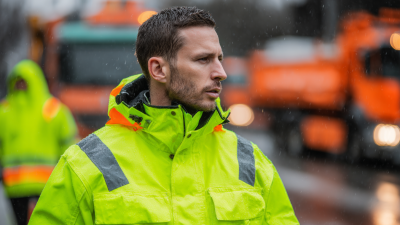
Evaluating hi-vis jacket suppliers starts with evidence, not polished catalog photos. Request factory profiles, recent production records, and traceable fabric specifications. Ask whether the supplier controls cutting, sewing, reflective-tape application, and final inspection in-house. If processes are outsourced, identify each facility and its quality responsibility. A clear answer matters. Vague answers do not.
Study the jacket sample under practical conditions. Check fluorescent fabric shade, tape width, seam strength, zipper movement, pocket reinforcement, and hood adjustment. Place samples under daylight, warehouse lighting, and repeated washing. A bright jacket can still fail at the seams. Ask for test reports covering visibility, color retention, abrasion resistance, and wash durability. Verify report dates, sample details, and testing laboratories. Also confirm requirements for the intended destination market.
Manufacturing capacity should match your order pattern, not only your target volume. Review monthly output, peak-season staffing, raw-material lead times, and backup equipment. Request a pilot order before committing to bulk production. Measure defect rates and correction speed. One small weakness may reveal a larger system problem. I would also inspect packaging, carton labels, and size consistency. Suppliers sometimes promise faster delivery than their bottlenecks allow. That is easy to miss. Evaluate communication, corrective-action records, and willingness to admit limitations. Reliability grows from measurable habits, not confident promises.
Top 10 Hi Vis Jacket Suppliers for Global Buyers
Choosing among the top 10 hi vis jacket suppliers requires more than comparing prices. Reliable suppliers provide clear fabric specifications, size charts, and production records. Buyers should request samples before placing large orders. A jacket may look bright online but feel heavy under direct sunlight.
Strong suppliers usually offer fluorescent yellow, orange, or red backgrounds with reflective tape. Check tape width, stitching, zipper quality, and pocket strength. A practical sample test includes washing, outdoor exposure, and movement. The tape should remain attached after repeated use. Ask whether products meet recognized visibility standards, such as EN ISO 20471, when required by the target market.
Supplier communication also matters. Experienced teams explain lead times, minimum order quantities, inspection methods, and packaging details. They should answer clearly, not hide behind vague promises. Global buyers must also confirm local sizing and import documents. One weakness in this review process is relying too heavily on certificates. A certificate does not replace physical inspection. A jacket can pass paperwork checks yet disappoint workers in cold rain. Look for suppliers willing to adjust insulation, cuffs, hoods, and reflective layouts. Flexible production often creates better long-term value, even when the first quotation is not the lowest.
Top 10 Hi Vis Jacket Suppliers for Global Buyers
Comparing Product Range, Customization, Pricing, and Certifications
A useful supplier comparison starts with product range, not attractive catalog photos. The strongest suppliers usually offer mesh vests, waterproof jackets, insulated coats, bomber styles, and lightweight summer options. Buyers should check fabric weight, reflective tape width, pocket placement, and available sizes. A jacket that looks bright online may feel stiff during a twelve-hour shift. Request samples before placing a large order.
Customization varies considerably. Some suppliers provide only printed logos, while others adjust colors, cuffs, linings, labels, and packaging. Ask for a digital proof and one physical sample. Small details matter. Embroidery may reduce breathability around the chest. Heat-transfer logos can crack after repeated washing. My first comparison focused too much on logo quality, which was a mistake. Worker comfort and wash performance deserve equal attention.
Pricing should include sampling, mold charges, packaging, freight, and possible inspection fees. A low unit price is not always economical. Compare identical specifications, such as 300D polyester, taped seams, and certified reflective materials. Certification records also require careful review. Check the issuing body, testing date, product model, and scope of certification. Documents should match the actual jacket, not a similar design. Reliable suppliers explain test procedures clearly and provide production photos or inspection records. Ten suppliers may appear similar, but their evidence, communication, and consistency often reveal the real difference.
| Rank | Supplier Profile | Core Product Range | Customization Options | Indicative FOB Price | Typical MOQ | Lead Time | Compliance & Certifications | Fabric & Performance Features | Best Fit for Global Buyers |
|---|---|---|---|---|---|---|---|---|---|
| 1 | Large-scale workwear manufacturer | Class 2 vests Class 3 jackets Bomber jackets Rainwear | Private labels, woven labels, screen printing, embroidery, color matching, packaging, graded sizing | US$8–22 / piece | 500–1,000 pieces per style | 35–55 days after approval | EN ISO 20471ANSI/ISEA 107OEKO-TEX® fabric options | Polyester mesh, oxford fabric, sealed seams, segmented or sewn reflective tape, optional waterproof coating | National distributors and recurring industrial uniform programs |
| 2 | Specialist high-visibility garment factory | Softshell jackets Fleece-lined jackets Two-tone jackets | Custom panels, reflective tape layout, logo application, lining selection, detachable hood and sleeves | US$11–29 / piece | 300–800 pieces per color | 30–50 days after pre-production sample | EN ISO 20471EN 343 optionsREACH-aligned materials | Breathable laminated fabrics, water-repellent outer layers, fleece lining, wind-resistant construction | Construction, logistics, utilities, and outdoor maintenance teams |
| 3 | OEM/ODM safety apparel exporter | Reversible jackets Packable rain jackets Winter parkas | Full pattern development, custom fabric sourcing, logo placement, size sets, retail packaging | US$14–38 / piece | 500 pieces per design | 45–65 days for new designs | ANSI/ISEA 107EN ISO 20471EN 343 options | Ripstop polyester, insulated padding, waterproof zippers, storm flaps, adjustable cuffs | Importers needing differentiated seasonal collections |
| 4 | Mid-volume uniform supplier | Lightweight jackets Vests Trousers Coveralls | Standard color selection, logo embroidery, heat-transfer printing, hangtags, carton labeling | US$7–19 / piece | 200–500 pieces per style | 25–45 days for repeat orders | EN ISO 20471 optionsANSI/ISEA 107 optionsISO 9001 production systems | Polyester pongee, mesh ventilation, sewn reflective bands, reinforced stress points | Small and medium-sized buyers with repeat standard orders |
| 5 | Technical protective-clothing producer | Arc-rated jackets Antistatic jackets Multinorm workwear | Technical fabric selection, hazard-specific design, custom labeling, pocket engineering, size grading | US$28–75 / piece | 250–500 pieces per technical style | 50–80 days, including testing | EN ISO 20471EN 1149-5 optionsIEC 61482-2 optionsEN 343 options | Inherent or treated flame resistance, antistatic fibers, durable reflective trim, abrasion-resistant panels | Oil, gas, electrical, rail, and heavy-industry procurement |
| 6 | Fast-turn promotional workwear supplier | Basic high-vis jackets Lightweight vests Event outerwear | Digital printing, heat transfer, embroidery, stock colors, simple logo placement | US$6–16 / piece | 100–300 pieces per order | 15–30 days for stock-based programs | EN ISO 20471 optionsANSI/ISEA 107 options | Lightweight polyester, mesh inserts, basic reflective tape, compact packing | Events, contractors, temporary projects, and urgent replenishment |
| 7 | Sustainable workwear manufacturer | Recycled-polyester jackets Eco vests Repairable workwear | Recycled-fiber sourcing, custom trims, logo application, repair-kit inclusion, sustainability documentation | US$12–31 / piece | 500–1,000 pieces per style | 40–60 days after material confirmation | EN ISO 20471GRS material optionsOEKO-TEX® options | Recycled polyester, water-saving dyeing options, durable tape, material traceability documentation | Public-sector tenders and buyers with ESG requirements |
| 8 | Weather-protection outerwear specialist | Waterproof jackets Breathable shells Padded parkas | Membrane selection, seam-tape configuration, hood design, insulation weight, branded trims | US$18–48 / piece | 300–700 pieces per design | 45–70 days depending on testing | EN ISO 20471EN 343REACH-aligned materials | Waterproof-breathable membranes, taped seams, windproof construction, insulated options | Cold-weather logistics, road maintenance, ports, and outdoor operations |
| 9 | Regional manufacturing and sourcing partner | Standard jackets Corporate uniforms Rain suits | Local-language labels, moderate color changes, embroidery, mixed-size ordering, consolidated shipping | US$9–24 / piece | 150–400 pieces per style | 20–45 days, subject to fabric availability | EN ISO 20471 optionsANSI/ISEA 107 optionsISO 9001 options | Polyester-cotton blends, oxford fabric, reflective tape, basic water repellency | Regional wholesalers and multi-site businesses |
| 10 | Low-MOQ private-label supplier | Hi-vis bomber jackets Softshell jackets Safety vests | Small-batch labels, standard logo positions, custom packaging, limited color adjustments, size assortment | US$10–27 / piece | 50–150 pieces per style | 20–40 days after artwork approval | EN ISO 20471 optionsANSI/ISEA 107 optionsOEKO-TEX® fabric options | Standard polyester, fleece or quilted lining, sewn reflective tape, elasticated cuffs | Start-ups, online retailers, pilot programs, and niche distributors |
Choosing among the top 10 hi vis jacket suppliers requires more than comparing prices. International buyers should review export experience, production capacity, and communication speed. Ask for recent test reports, sample records, and factory inspection evidence. A polished website proves little. Sample jackets reveal more.
Shipping details deserve early attention. Confirm the delivery term, loading port, carton dimensions, gross weight, and expected production date. Request documents that match the shipment, including the commercial invoice, packing list, and origin information. Product classification should be checked with a qualified customs professional in the destination market. Import rules differ widely. Do not assume one certificate works everywhere.
Quality checks should begin before mass production. Compare the sample with the approved specification for fabric color, reflective tape width, stitching, zipper movement, pocket strength, and size measurements. Test visibility materials through suitable accredited laboratories when required. Inspect random cartons before dispatch, not only finished samples. Include photos of labels and inner packaging. A pre-shipment inspection can catch missing care instructions or incorrect quantities. Small details matter.
Shipping can still fail despite careful planning. Damp cartons, delayed vessel space, or unclear document wording may create costly problems. We once treated packaging as a minor issue; that was not wise. Supplier checks need written records, yet paperwork can never replace physical inspection. Build time for corrections, because rushed approvals often hide defects.