What Are the Top Safety Vest Types for 2026?
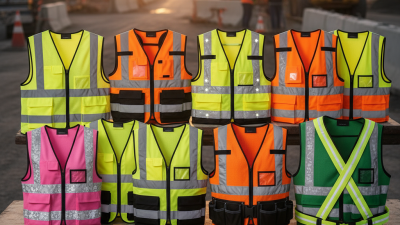
Choosing the right Safety Vest requires more than selecting the brightest color. Road speed, traffic distance, weather, lighting, and worker movement all matter. In 2026, the leading options include Class 1, Class 2, and Class 3 high-visibility vests. ANSI/ISEA 107 remains an important reference for performance and garment design. EN ISO 20471 also guides many international purchasing decisions.
Dr. David Michaels, former Assistant Secretary of Labor for OSHA, once stated, “Safety is a value, not a priority.” That idea applies directly to vest selection. A priority can change. A value should remain visible during every shift. Class 2 vests suit many construction and roadside tasks. Class 3 garments offer stronger coverage for high-speed traffic, darkness, or poor weather. Lightweight mesh vests can reduce heat near asphalt and machinery. Insulated versions protect workers during cold winter inspections. LED-enhanced designs may improve recognition, but batteries can fail.
Small details matter. Reflective tape should remain visible after bending, kneeling, and carrying tools. The vest must fit securely without restricting movement. Oversized garments may snag. Tight garments may hide reflective areas. Bright fabric alone is not enough.
There is no perfect vest.
A high-visibility garment cannot replace training, lighting, traffic control, or careful supervision. That limitation deserves honest attention. The best 2026 choice balances certified visibility, comfort, durability, climate, and the worker’s actual environment. A clean vest at dawn, with reflective strips catching headlights, can make a practical difference. Yet even excellent equipment needs regular inspection, washing, and replacement when its visibility declines.

What Are the Top Safety Vest Types for 2026?
Safety vest classification begins with visibility. High-visibility vests use bright fluorescent colors, such as yellow-green or orange, during daylight work. Retroreflective strips return vehicle light toward drivers in darkness. Some designs combine both features for changing conditions. A road crew may need stronger contrast than an indoor warehouse worker. Visibility is not decoration. It directly affects how quickly people are noticed.
Material selection changes comfort, durability, and performance. Lightweight mesh improves airflow during hot shifts and active work. Solid polyester offers better coverage in wind, light rain, and dusty areas. Flame-resistant materials may suit heat-related tasks, but they require careful care instructions. A vest can feel durable and still tear around its pockets. Inspect the stitching, closures, and reflective tape before relying on it.
Protective features should match the actual hazard. Pockets help workers carry radios, markers, or small tools without blocking reflective areas. Adjustable sides improve fit over jackets and reduce loose fabric near machinery. Some vests include waterproof coatings, breakaway panels, or padding for specialized environments. These features are useful, but extra details can add weight and reduce comfort. I have seen workers leave well-equipped vests unzipped, which weakens their practical value. Selection should consider movement, weather, lighting, and the wearer’s daily habits. A perfect vest on paper may fail in real use.
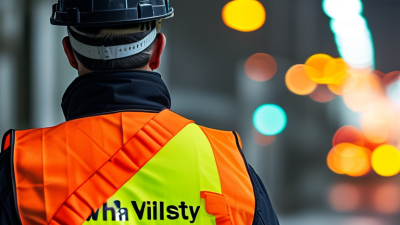
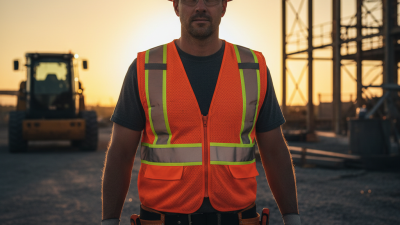
For 2026, safety vest selection should begin with the work zone, not color alone. Construction crews often need high-visibility mesh vests with reflective bands across the torso and shoulders. Mesh helps reduce heat around cranes, scaffolds, and unfinished buildings. In cooler weather, solid fabric can block wind better. It may feel heavier. Small discomfort often becomes poor compliance by mid-shift.
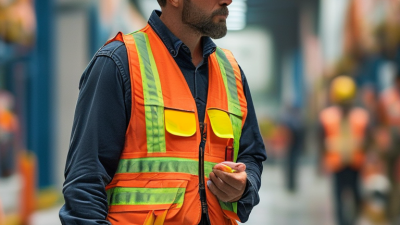
Roadwork demands stronger visual contrast. A Class 2 vest suits many daytime tasks near moving vehicles. Class 3 designs provide broader coverage for darker conditions and faster traffic. Always check the applicable local standard before purchasing. Look for recognized high-visibility performance requirements. Reflective tape should remain visible from the front, back, and side. Dust, asphalt residue, and repeated washing can dull performance. I have seen workers replace damaged tape but ignore torn closures. That still leaves the garment unreliable.
General worksites may benefit from surveyor-style vests with pockets, breakaway seams, or weather-resistant panels. Breakaway features can reduce snagging near equipment, but they may open too easily during movement. Test the fit while reaching, climbing, and wearing normal work layers. Fit matters. Keep the vest over outer clothing, never beneath a jacket. Supervisors should inspect color, stitching, closures, and reflectivity before each shift. A bright vest is not automatically a safe one.
| Safety Vest Type | Best-Fit Worksite | Visibility Features | Typical Protection Level | Useful Design Features | Key Selection Considerations |
|---|---|---|---|---|---|
| Basic High-Visibility Mesh Vest | General worksites, warehouses, facility maintenance, event operations, and low-risk daytime tasks | Fluorescent background material with reflective bands, commonly arranged in a two-band or cross-back pattern | High visibility Often suitable for lower-risk environments when the garment meets the applicable workplace standard |
Lightweight mesh, front zipper or hook-and-loop closure, low bulk, and good airflow | Check the background and reflective-material area, fit over work clothing, durability of closures, and care instructions |
| Class 2 High-Visibility Vest | Construction zones, roadside work, utility work, loading areas, and sites with moderate traffic or equipment movement | More visible fluorescent material and reflective striping than a basic vest; commonly includes front and rear reflective patterns | ANSI/ISEA 107 Class 2 Designed for workers exposed to traffic or equipment hazards where greater conspicuity is needed |
Multiple pockets, radio loop, ID panel, zipper closure, and mesh or solid-body options | Use the full garment label and site risk assessment to confirm compliance; make sure pockets and tools do not cover reflective areas |
| Class 3 High-Visibility Vest or Jacket | High-speed roadwork, night work, emergency response, poor-weather operations, and complex traffic environments | Large areas of fluorescent material combined with reflective material on the torso and sleeves or other required garment areas | ANSI/ISEA 107 Class 3 Provides greater body coverage and visibility than a vest-only Class 2 garment |
Long sleeves or jacket construction, weather-resistant layers, storm flaps, adjustable cuffs, and removable liners | A sleeveless vest generally cannot provide the sleeve coverage associated with a Class 3 garment; select based on traffic speed, light, weather, and risk |
| Breakaway Safety Vest | Road construction, rail-adjacent work, vegetation management, machine-operation areas, and locations with snag hazards | High-visibility fluorescent fabric and reflective tape with breakaway points at the shoulders, sides, or front | Task-dependent Visibility performance depends on the garment's tested standard and design |
Breakaway seams or fasteners intended to release when the vest catches on equipment or an obstruction | Confirm that the breakaway configuration is certified for the intended standard; inspect release points because excessive wear can affect performance |
| Surveyor or Multi-Pocket Safety Vest | Surveying, inspection, construction supervision, utility locating, and field service work | High-visibility fluorescent body with reflective stripes positioned around the torso and shoulders | Usually Class 2 Verify the sewn-in label because pocket layouts and fabric coverage vary by model |
Large front and rear pockets, tool compartments, document pockets, pen slots, and radio or body-camera attachment points | Choose a layout that keeps essential tools accessible without covering reflective tape or restricting movement |
| Winter High-Visibility Safety Vest | Cold-weather construction, snow operations, outdoor logistics, road maintenance, and seasonal utility work | Fluorescent insulated or quilted outer material with reflective striping designed to remain visible over cold-weather layers | Often Class 2 Some outerwear combinations may be designed to meet Class 3 requirements; check the garment label |
Insulation, wind resistance, extended back length, hand-warmer pockets, and adjustable side closures | Check whether the garment remains compliant when worn open, layered, dirty, or covered by equipment; avoid overheating during strenuous work |
| High-Visibility Rain Vest | Wet-weather roadwork, drainage projects, outdoor inspections, traffic control, and emergency maintenance | Fluorescent water-resistant or waterproof shell with reflective material designed for reduced-light conditions | Standard-dependent Rainwear classifications and visibility requirements must be confirmed from the garment label |
Waterproof seams, hood compatibility, ventilation openings, adjustable closures, and longer coverage | Look for maintained visibility after repeated washing and wet use; ensure the outer layer does not hide the reflective areas |
| Flame-Resistant High-Visibility Vest | Electrical utility work, petrochemical operations, welding support, hot work, and areas with flash-fire or arc-flash hazards | Flame-resistant fluorescent fabric and reflective trim specified for the intended visibility standard | Hazard-specific Visibility compliance does not automatically mean protection from flame, arc flash, molten metal, or chemicals |
Inherently flame-resistant materials, non-melting components, covered closures, and compatible reflective trim | Match the garment to the employer's hazard assessment and required flame or arc rating; avoid ordinary polyester vests in heat or ignition hazards |
| Two-Tone High-Visibility Vest | Construction and industrial sites where dirt, dust, or grease can reduce contrast against the work environment | Fluorescent upper section with a darker contrasting lower section and reflective bands | Commonly Class 2 Confirm the amount and placement of compliant background material |
Darker lower panels help conceal routine soiling while the upper fluorescent area supports daytime conspicuity | Dirt-resistant design does not replace cleaning; inspect the vest when contamination reduces fluorescent or reflective performance |
| High-Visibility Traffic-Control Vest | Flagging, lane closures, vehicle entry points, parking control, and temporary traffic-management operations | Strong front-and-back contrast, reflective bands, and patterns intended to make the worker's torso easy to identify | Often Class 2 Traffic-control requirements vary by jurisdiction and worksite conditions |
Clear ID area, lightweight construction, secure closure, whistle loop, and compatibility with traffic-control equipment | Follow the road authority's requirements, remain visible from every approach direction, and replace garments with faded or damaged reflective material |
Selection note: Safety-vest classes and requirements vary by jurisdiction and task. In the United States, verify the garment label against the applicable ANSI/ISEA 107 edition and employer requirements. In Canada or Europe, check the applicable national or regional standard, such as CSA Z96 or EN ISO 20471. A high-visibility vest is not a substitute for task-specific protection such as flame resistance, arc-flash protection, chemical resistance, or impact protection.
What Are the Top Safety Vest Types for 2026?
Flame-resistant, arc-rated, and chemical-resistant vests serve different workplace hazards. Flame-resistant fabric resists ignition and may self-extinguish after removing the flame source. It does not automatically provide arc-flash protection. Arc-rated vests are tested for thermal energy exposure and carry an arc rating, such as ATPV or ELIM. Workers should compare that rating with the assessed incident energy, not choose by appearance alone.
Chemical-resistant vests require closer inspection. A material may resist one solvent but fail against another. Check the garment’s permeation and degradation data for the exact chemical, concentration, temperature, and exposure time. Fit matters too. Gaps around the neck, wrists, or closure can undermine protection. A transparent face shield or gloves may also be necessary, depending on the task. Never treat a vest as complete chemical protection.
In practice, start with the hazard assessment, then review the label, test documentation, and cleaning instructions. For arc hazards, use applicable electrical safety guidance and qualified inspection procedures. For chemical work, confirm compatibility with current safety data sheets. High-visibility fabric can improve recognition, but visibility alone does not make a vest protective. I have seen teams focus on color and overlook heat resistance, closure design, or damaged reflective tape. That mistake is easy to repeat. Recheck the vest after washing, abrasion, contamination, or a near miss. Replace uncertain gear.
Safety vests in 2026 must match the working environment, not just improve visibility. Cold-weather vests combine fluorescent outer fabric with insulation, wind protection, and room for layered clothing. Look for adjustable closures and wide arm openings. A stiff vest can restrict movement during snow removal or roadside repairs. That detail matters.
Cooling vests support workers in hot warehouses, construction areas, and outdoor maintenance. Evaporative models need water and airflow, while phase-change designs provide more controlled cooling. However, cooling performance depends on humidity, workload, and refill access. No vest fits every shift. Specialized options may include flame-resistant, electrical-hazard-rated, or high-visibility designs for specific job conditions. Always check the garment label, test documentation, and local workplace requirements before selection.
Tips: Inspect reflective strips before every shift. Replace damaged panels. Choose insulation based on actual temperatures, not forecasts alone. Keep cooling inserts clean and fully prepared. Train workers to recognize heat stress and cold stress. A vest should complement other protective equipment, never replace it. Field evaluations can expose problems that product descriptions miss, such as poor pocket access or uncomfortable neck seams. That feedback deserves action, even when the vest technically meets its listed standard.
Choosing a safety vest now involves more than color and reflective tape. High-visibility mesh vests suit hot sites because airflow reduces heat buildup. Insulated vests work better in cold weather, especially near dawn. Multi-pocket designs help electricians and maintenance crews carry small tools without loose belts. Smart vests add features such as LED panels, fall alerts, worker-location signals, and temperature sensors. These functions can improve awareness, but they also add batteries, charging routines, and possible failure points.
Look for reflective material that remains visible after repeated washing. Check the care label carefully. Durable stitching matters around shoulders, pockets, and side closures. Sustainable choices may include recycled fibers, replaceable light modules, repairable panels, and packaging with less plastic. A vest should not become disposable because one sensor stops working. That happens.
Before buying, test the vest over the clothing workers actually wear. A narrow arm opening can restrict movement, while a loose fit may catch on equipment. Confirm that smart functions remain useful in rain, dust, and low temperatures. Also review data settings when location tracking is included. Collect only necessary information, and explain its purpose clearly to workers. Independent testing, clear maintenance instructions, and compliance with applicable high-visibility standards offer stronger evidence than impressive advertising. Some “green” fabrics still wear quickly, so durability must be measured in real shifts, not just product descriptions.