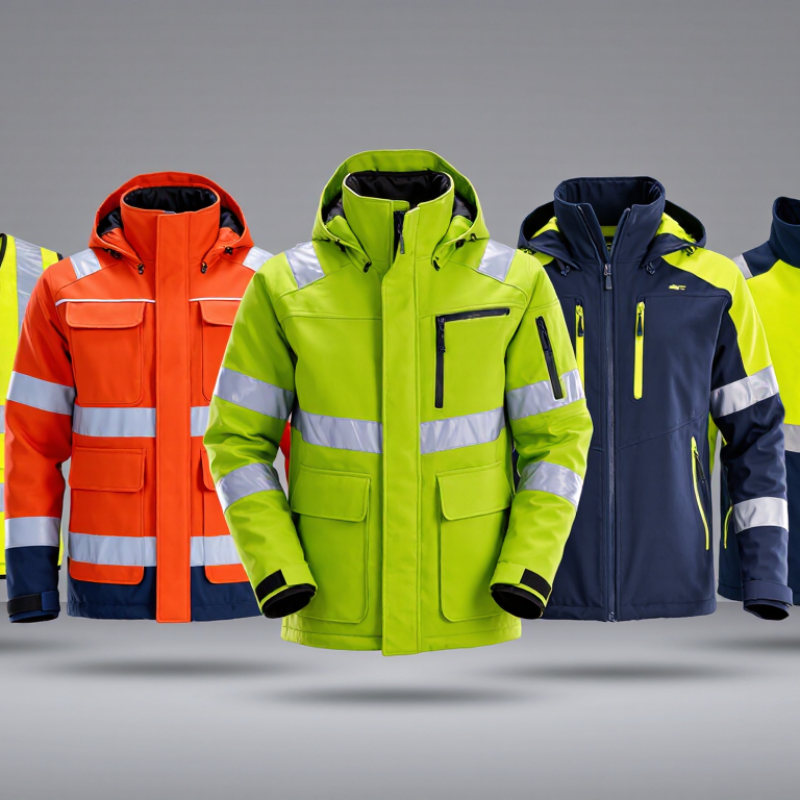
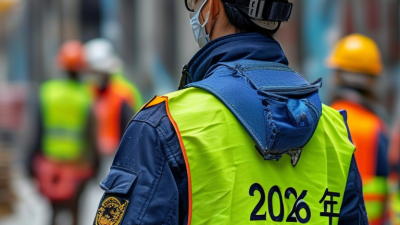
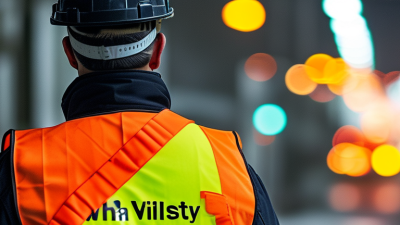
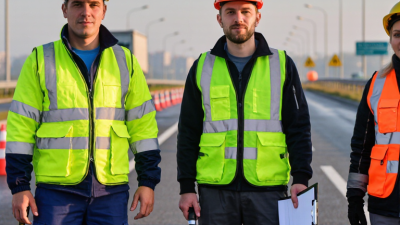
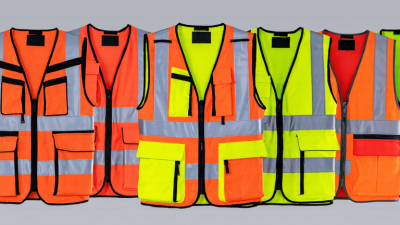
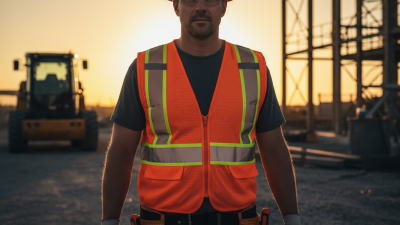
The 2026 Best Hi Vest Jacket options must do more than look bright in a product photograph. Global buyers need dependable visibility, practical comfort, and evidence behind every specification. A worker standing beside a dark road, warehouse shelf, or construction vehicle needs clear contrast at dawn, during rain, and under headlights.
H.W. Heinrich, a widely recognized safety-management pioneer, stated, “Accident prevention is an integral part of good management.” His principle still fits modern Hi Vest Jacket purchasing. Visibility should support a broader safety system, not replace training, lighting, traffic control, or responsible supervision. Buyers should review fabric brightness, reflective tape width, stitching quality, zipper strength, pocket placement, and sizing consistency. Small details matter. A loose cuff can catch equipment. Weak tape can peel after repeated washing.
This guide compares leading Hi Vest Jacket designs for international buyers in 2026. It considers mesh ventilation, waterproof shells, winter insulation, adjustable closures, supplier reliability, and documented test results. Depending on the market, buyers may need to check requirements such as ANSI/ISEA 107, EN ISO 20471, or AS/NZS 4602.1. Current regional guidance should always be confirmed before ordering. Standards and product claims can change.
No jacket is perfect. Some highly visible models feel uncomfortable in humid climates. Others offer warmth but restrict movement. That compromise deserves honest attention. The best choice balances visibility, durability, climate, worker preference, and verified compliance. Practical testing remains valuable, especially after washing, abrasion, and extended outdoor use.
Hi-vis vest jackets combine a visibility garment with weather protection. Their safety role is simple: help workers stand out from traffic, machinery, and dim backgrounds. ANSI/ISEA 107-2020 groups high-visibility apparel by risk, background material, and reflective performance. EN ISO 20471 uses similar visibility principles for international purchasing decisions.
Layer selection matters in real work. A lightweight mesh vest suits hot warehouses and road crews in summer. A fleece-lined vest adds warmth without restricting arm movement. A waterproof outer layer protects reflective tape during rain, but poor ventilation can cause overheating. The National Weather Service identifies reduced visibility as a major hazard during heavy rain, fog, and snow. Small details matter. Wide reflective bands should remain visible when a worker bends, carries tools, or wears a backpack. Yet sizing is often overlooked.
The Bureau of Labor Statistics recorded 5,283 fatal workplace injuries in the United States during 2023, with transportation incidents remaining a leading category. This does not prove that one jacket prevents accidents. It does show why visibility deserves practical attention. For global buyers, 2026 use cases include logistics yards, airport support, utility maintenance, construction, and roadside response. Check the relevant local standard, hazard class, fabric durability, laundering limits, and temperature range. A jacket can meet a label requirement and still perform poorly in wind. Field trials remain necessary. Reports inform purchasing, but workers reveal the real weaknesses.
Minimum material areas required by EN ISO 20471 for high-visibility clothing classes. Areas are shown in square metres (m²).
Class 1 is intended for lower-risk environments, Class 2 supports more common roadside and workplace conditions, and Class 3 provides the highest visibility through greater material coverage. Actual garment classification depends on design, placement, and certified testing—not material area alone.
For global buyers, the main question is not color. It is whether the garment matches the required visibility class. ANSI/ISEA 107-2020 uses garment types and performance classes. Class 1 suits low-risk, off-road work. Class 2 adds stronger torso visibility. Class 3 requires the highest visibility, often with sleeves and reflective coverage. EN ISO 20471:2013+A1:2016 uses Classes 1, 2, and 3, based mainly on fluorescent and retroreflective material areas.
The comparison is not perfectly intuitive. ANSI Class 2 and EN ISO Class 2 have similar minimum material areas, but design details still differ. ANSI Class 2 requires at least 0.50 square meters of background material and 0.13 square meters of retroreflective material. EN ISO Class 2 uses comparable figures. Check band width, spacing, garment type, and test documentation. A bright vest can still fail the practical test.
Visibility also remains a serious workplace issue. The U.S. Bureau of Labor Statistics recorded 5,283 fatal occupational injuries in 2023. The International Labour Organization reports nearly three million work-related deaths annually worldwide. These figures do not isolate visibility failures, but they reinforce the need for documented risk controls. In purchasing reviews, a common mistake is trusting a printed class label without checking the certificate, care instructions, and after-wash performance. Reflective tape may look excellent under a warehouse lamp, yet perform poorly in rain, dust, or vehicle headlights.
2026 Best Hi Vis Vest Jackets for Global Buyers
For global buyers, visibility claims must begin with the correct garment classification. ANSI/ISEA 107-2020 defines Type O for off-road use, Type R for roadway work, and Type P for public safety. Type O normally uses Class 1 designs, while Type R and Type P may require Class 2 or Class 3 protection. Class 3 offers the greatest body coverage and visibility, especially near traffic, at night, or during bad weather. The U.S. Bureau of Labor Statistics recorded 5,283 fatal work injuries in 2023, with transportation incidents remaining a major event category. That figure does not prove every incident involved poor visibility, but it supports careful selection.
European buyers should check EN ISO 20471 classification separately. Its Classes 1, 2, and 3 are not automatically equivalent to ANSI classes. A compliant label should identify the standard, garment type, performance class, size, and care instructions. For European Union sales, the CE marking must connect with PPE Regulation (EU) 2016/425 documentation. Test reports should confirm background material, retroreflective performance, color, and after-wash results. A jacket can look bright in a showroom yet fail after repeated laundering. I would not trust a certificate without checking its scope and product code.
Tips: Match the vest to the actual work zone. Ask for a current declaration of conformity and laboratory report. Check reflective tape after washing. Do not confuse CE marking with ANSI approval. When conditions change, reassess the class. Small details matter.
2026 Best Hi Vis Vest Jackets for Global Buyers?
Choosing a hi vis vest jacket in 2026 starts with materials, not color alone. Fluorescent yellow, orange, and lime fabrics improve daytime visibility. Their performance depends on shade stability, fabric weight, and resistance to dirt. A bright sample can fade after repeated washing. I would request a production sample, not only a catalog photograph.
Reflective tape works differently. It returns light toward vehicle drivers at night. Wide tape usually gives stronger visual separation, especially across the chest, waist, and sleeves. Check its flexibility after bending and washing. Brittle tape may crack in cold conditions. Poorly attached tape can peel around pocket edges. Small details matter.
Weatherproofing requires a careful balance. A polyurethane-coated shell can resist rain, while sealed seams reduce water entry. However, heavy coatings may trap heat during active work. Look for adjustable cuffs, storm flaps, breathable panels, and smooth lining. Test the jacket under real movement, not just a short shower. No material solves every climate problem. Buyers should compare laboratory reports, wash results, temperature testing, and regional safety requirements before placing large orders. This step feels slow, but it can prevent expensive quality disputes.
| Product Configuration | Fluorescent Fabric | Reflective Material | Weatherproofing Construction | Breathability and Comfort | Typical Work Environment | Relevant Standards or Test References | Buyer Evaluation Points |
|---|---|---|---|---|---|---|---|
| Lightweight Mesh Safety Vest | High-visibility fluorescent polyester mesh in yellow, orange-red, or another permitted fluorescent shade. Mesh improves air circulation but provides limited insulation. | Segmented or continuous retroreflective tape arranged around the torso and over the shoulders. Retroreflective performance should be supported by supplier test reports. | Usually not waterproof. Select a separate rain shell when protection from sustained rain is required. | Highest airflow and lowest weight among the listed configurations. | Warm-weather road work, traffic control, logistics yards, warehouses, and indoor-outdoor operations. | EN ISO 20471; ANSI/ISEA 107-2020; ISO 13688 for general protective-clothing requirements. | Check mesh strength, seam durability, colorfastness, tape wash durability, sizing, and whether the design maintains the required visibility area after customization. |
| Woven Polyester Vest Jacket | Woven fluorescent polyester fabric offers greater abrasion resistance and structure than open mesh. It is suitable for repeated industrial use. | Wide retroreflective bands around the torso with shoulder or sleeve coverage, depending on the required garment class and design. | A woven shell can provide light wind resistance, but fabric coating and seam construction determine actual rain protection. | Moderate airflow; generally more durable than mesh but warmer during high-activity work. | Construction sites, manufacturing, transport operations, utility work, and general industrial use. | EN ISO 20471 or ANSI/ISEA 107-2020; ISO 13688; supplier-specific fabric and tape test reports. | Request fabric mass, tear strength, seam strength, dimensional stability, colorfastness, and a clear laundering limit. |
| Fluorescent Soft-Shell Vest Jacket | Fluorescent polyester or polyester-blend outer fabric with a brushed or laminated inner layer. Fluorescent color supports daytime conspicuity. | Heat-applied, sewn, or segmented retroreflective tape. Segmented tape can improve flexibility and reduce stiffness. | Typically wind-resistant and water-repellent. A stated hydrostatic-head value and seam-sealing details are needed before treating it as waterproof. | Balanced warmth, stretch, and mobility; usually less ventilated than mesh. | Outdoor maintenance, utilities, delivery work, light construction, and cool or changeable weather. | EN ISO 20471 or ANSI/ISEA 107-2020; ISO 13688; ISO 811 or an equivalent recognized water-pressure test where water resistance is claimed. | Compare membrane or coating type, stretch recovery, pilling resistance, tape flexibility, seam construction, and performance after washing. |
| Waterproof Hi-Vis Shell Jacket | Fluorescent woven polyester or nylon face fabric, commonly supported by a durable water-repellent finish and a waterproof membrane or coating. | Retroreflective tape or reflective piping placed on the torso, shoulders, sleeves, and lower body according to the target visibility class. | Waterproof protection depends on coated or laminated fabric, protected zippers, storm flaps, hood design, and sealed or taped seams. | Lower breathability than uncoated fabric unless the garment includes a breathable membrane, ventilation openings, or pit zips. | Heavy rain, road construction, emergency response, port operations, and exposed outdoor work. | EN ISO 20471; EN 343 for protection against rain; ISO 13688; ISO 811 or equivalent water-pressure testing. | Ask for water-pressure resistance, water-vapor resistance or breathability data, seam-sealing coverage, zipper protection, and test results after laundering. |
| Insulated Hi-Vis Winter Jacket | Fluorescent polyester or nylon outer shell with synthetic insulation. Fluorescent fabric remains important for daytime visibility in winter conditions. | Retroreflective bands designed to remain visible over thicker insulation. Sewn tape is generally easier to inspect and replace than purely heat-applied details. | Wind-resistant outer fabric, water-repellent or waterproof treatment, insulated hood, storm cuffs, and protected front closure. | Highest warmth, but greater bulk and lower ventilation. Moisture management is important during high physical activity. | Cold-weather construction, snow clearing, freight yards, outdoor infrastructure, and winter road maintenance. | EN ISO 20471 or ANSI/ISEA 107-2020; ISO 13688; EN 343 where rain protection is claimed; ASTM F2732 may be used for standardized temperature-rating communication. | Review insulation type and mass, garment weight, thermal-rating method, hood visibility, mobility, cuff design, and laundering durability. |
| High-Visibility Rain Suit Jacket | Fluorescent coated polyester, polyurethane-coated fabric, or laminated textile selected for wet-weather visibility and cleanability. | Reflective tape should remain visible when wet and should be positioned on the torso, shoulders, and sleeves as required by the target standard. | Designed as a rain layer with waterproof fabric, storm flap, adjustable hood, wrist closures, and sealed or welded seams where applicable. | Can feel warm or clammy during active work; ventilation openings and a breathable construction improve comfort. | Persistent rain, marine and port work, roadside maintenance, agricultural operations, and outdoor logistics. | EN ISO 20471; EN 343; ISO 13688; ISO 811 or equivalent water-pressure testing; ISO 11092 may be used for thermal and water-vapor resistance measurements. | Confirm full-suit compatibility, hood adjustment, waterproof zipper or storm flap, seam-seal quality, wet-state visibility, and packability. |
| Reversible Hi-Vis Jacket | One fluorescent side and one non-fluorescent weather or casual side. Visibility compliance applies only when the garment is worn in the compliant configuration. | Reflective material must be positioned and visible on the designated high-visibility side; reversing the garment may remove compliance. | Weather resistance depends on the shell side, coating, membrane, and closure design. Reversible construction may complicate seam and zipper protection. | Flexible for mixed work and off-duty use, but usually heavier and more complex than a single-purpose vest. | Service teams, facility operations, delivery personnel, and buyers needing one garment for multiple settings. | Verify the complete garment against EN ISO 20471 or ANSI/ISEA 107-2020 in the intended wearing configuration. | Require clear instructions showing the compliant side, check reflective coverage after reversal, and confirm that pockets and closures do not reduce required visibility areas. |
| Arc-Rated or Flame-Resistant Hi-Vis Jacket | Fluorescent flame-resistant textile, often based on inherently flame-resistant fibers or a treated blend. Ordinary polyester should not be assumed to provide flame protection. | Reflective tape and thread must be compatible with the intended heat, flame, and laundering requirements. | Weatherproofing must be evaluated together with flame, heat, and arc-performance requirements; coatings and laminates can change garment behavior. | Usually heavier and less breathable than basic vests, with comfort depending on fabric construction and ventilation. | Electrical utilities, petrochemical work, welding support, and other tasks involving specified thermal or arc hazards. | EN ISO 20471 or ANSI/ISEA 107-2020 plus the applicable hazard-specific standards, such as IEC 61482-2 or NFPA 70E program requirements where relevant. | Do not substitute general hi-vis certification for hazard protection. Request garment-level certification, arc rating where applicable, flame-spread results, and care instructions. |
For 2026 sourcing, a hi-vis vest jacket needs more than bright fabric. The International Labour Organization estimated nearly three million fatal work-related injuries annually. Use that figure to set a risk baseline. Roadside crews, airport teams, and night-shift workers need higher visibility than indoor warehouse staff. A buyer matrix should score traffic exposure, machine proximity, darkness, and emergency response time.
Climate changes the construction choice. The World Meteorological Organization reported 2023 as the warmest year on record, with rising heat stress risks. In hot regions, choose breathable mesh, vents, and lower garment weight. In cold rain, inspect waterproof ratings, seam sealing, cuffs, and hood adjustment. Sizing must allow a sweater underneath. Measure chest, sleeve, and back length. Do not trust “one size fits most.” It often fails.
MOQ affects inventory risk, especially across several size ranges. Request a size curve, pre-production sample, and tolerance chart before approval. Test reports should identify the exact fabric, color, reflective tape, test method, and laboratory date. Check wash durability, colorfastness, tear strength, and reflective performance after cleaning. ISO 20471 is a useful reference for high-visibility clothing, but market requirements can differ. Ask for accreditation details and report traceability. A report without the tested material lot is weak evidence. I have seen attractive samples change after bulk washing. That detail deserves more attention.