Leave Your Message

What Is the Best Hi Vis Vest Jacket for 2026?

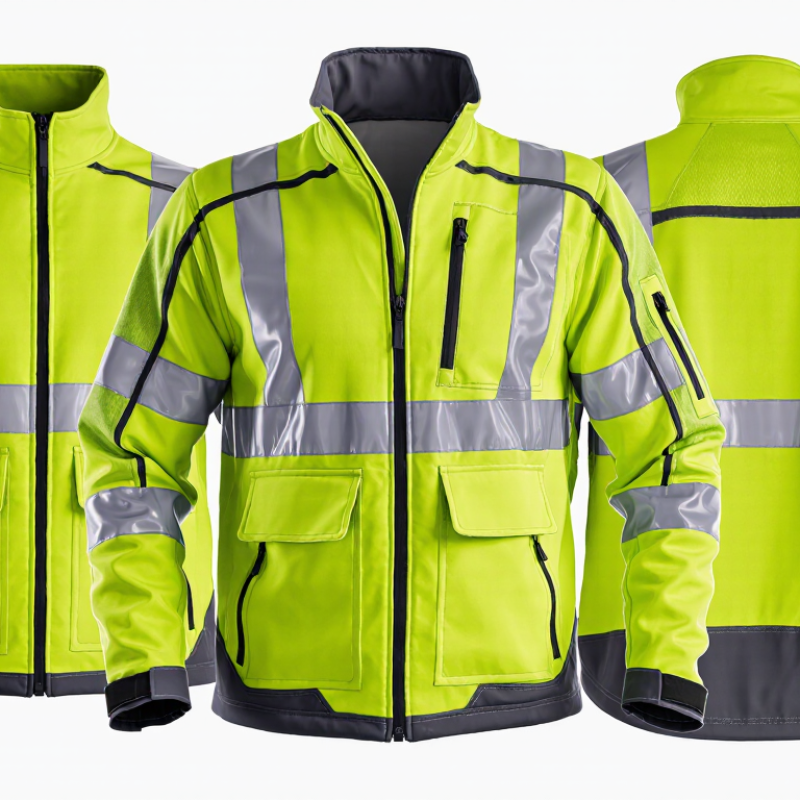
What Is the Best Hi Vis Vest Jacket for 2026? The answer depends on where, when, and how the jacket will be worn. A road worker needs different protection from a warehouse operator or a nighttime cyclist. Site traffic, weather, body movement, and work duration all matter. Bright fabric helps during daylight. Reflective tape becomes critical when headlights strike the garment. Fit matters too. A loose jacket can snag, while a tight one may restrict movement.

Occupational-safety specialist Dr. Andrew Hale offers a useful reminder: “Visibility is a system, not a color.” That principle should guide every 2026 comparison. A dependable Hi Vest Jacket should combine high-visibility background material, well-placed reflective bands, breathable construction, and practical storage. It should also support the relevant workplace standard, such as ANSI/ISEA 107 or EN ISO 20471, when applicable. Buyers must check the garment label and local requirements. Marketing language alone is not enough.

During field testing, small details become obvious. A zipper that catches can waste time. Damp mesh can feel cold against the neck. Pockets may block reflective areas when fully loaded. These details are easy to overlook. I would not call any jacket perfect. Some models breathe well but sacrifice weather resistance. Others look highly visible but feel stiff after several hours. The best choice balances verified visibility, comfort, durability, and real working conditions. A careful buyer should inspect stitching, closures, tape placement, and cleaning instructions before purchase. Mistakes happen. Thoughtful evaluation reduces them.
What Is the Best Hi Vis Vest Jacket for 2026?

Definition and Purpose of a Hi Vis Vest Jacket

What Is the Best Hi Vis Vest Jacket for 2026?

Definition and Purpose of a Hi Vis Vest Jacket

A hi vis vest jacket is safety clothing designed to make the wearer easier to see. It usually combines fluorescent fabric with retroreflective bands. Fluorescent colors improve daytime visibility. Reflective material returns light toward vehicle drivers at night. The jacket style adds coverage, warmth, and weather resistance for outdoor work. Its purpose is not fashion. It creates visual contrast around moving traffic, machinery, and dim work areas.

Selection should begin with the work environment, not the product label. ANSI/ISEA 107-2020 classifies high-visibility apparel by risk, garment design, and visibility materials. ISO 20471 also evaluates fluorescent backgrounds and reflective performance. These standards help buyers compare protection more reliably. The U.S. Bureau of Labor Statistics reported 5,283 fatal occupational injuries in 2023. Transportation incidents represented 1,942 of them, or about 37 percent. This statistic does not prove that hi vis clothing prevents fatalities. I would not treat it as proof. It does show why worker visibility deserves serious attention.

For 2026, the best vest jacket should fit closely without restricting movement. Check reflective tape placement, hood interference, pocket access, and comfort over several layers. A wet, dirty, or poorly fitted jacket may become less effective. That practical detail is easy to overlook. The right garment must remain visible while workers walk, bend, and face changing light conditions. Sometimes, simple works best.

Key Safety Standards and Visibility Requirements for 2026

What Is the Best Hi Vis Vest Jacket for 2026?

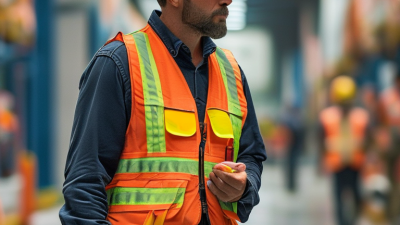
For 2026, the best hi vis vest jacket is the one matched to the worker’s exposure, not merely the brightest garment. ANSI/ISEA 107-2020 separates high-visibility apparel into Types O, R, and P. Type R suits roadway and other high-risk environments. Class 2 typically fits workers exposed to traffic or complex backgrounds. Class 3 provides the greatest body coverage and visibility, especially near fast-moving vehicles.

The European benchmark, EN ISO 20471:2013+A1:2016, also evaluates fluorescent material, reflective performance, and minimum surface areas. Check the permanent label, garment class, size, and certification.

A clean reflective band should remain visible from the front, back, and side. Dark stains, damaged tape, or bulky winter layers can reduce the intended effect. I have seen compliant clothing perform poorly when workers cover the reflective areas with tools or backpacks.

Visibility matters because the risk is measurable. The U.S. Bureau of Labor Statistics reported 5,283 fatal work injuries in its 2023 Census of Fatal Occupational Injuries. The report does not blame every incident on poor clothing, but it reinforces the need for layered controls.

Choose contrasting colors for the worksite, breathable fabric for heat, and insulation for cold. A jacket that restricts movement may technically comply, yet still fail operationally. That deserves more attention.

Always confirm the latest local requirements before purchasing for a specific site.

Essential Materials, Features, and Weather Protection

What Is the Best Hi Vis Vest Jacket for 2026?

The best hi-vis vest jacket balances visibility, comfort, and weather protection. In field use, fabric choice quickly affects concentration and movement. A lightweight polyester shell dries fast and resists light rain. For colder sites, insulated panels retain warmth without excessive bulk. However, thick insulation can restrict arm movement during climbing or lifting. I once chose a very warm jacket that became uncomfortable after several hours. That mistake still influences my buying decisions.

Look for wide reflective bands placed across the chest, back, and shoulders. They should remain visible when tools or equipment cover part of the vest. A secure zipper, adjustable cuffs, and a longer back reduce exposure in windy conditions. Mesh panels can improve airflow, but poorly placed mesh may admit cold air. Small details matter. Check the stitching around pockets, because loaded pockets can pull seams apart. A clear identification area also helps supervisors recognize workers quickly.

Weather protection needs careful judgment. A water-resistant outer layer handles drizzle, while sealed seams provide better defense during steady rain. For snow or strong wind, choose a jacket with a storm flap, hood adjustment, and thermal lining. Breathability remains important during physical work. Sweat trapped inside can chill the body later. Reflective material should stay bright after repeated washing, so follow the care label and inspect worn sections regularly. Certification to recognized visibility standards adds useful evidence, but fit and actual working conditions still deserve personal review.

What Is the Best Hi Vis Vest Jacket for 2026? - Essential Materials, Features, and Weather Protection
Recommended Type Best Use Essential Materials Visibility Requirements Weather Protection Useful Features Breathability Key Buying Check
Best Overall: 3-in-1 Hi Vis Jacket Vest Year-round construction, roadwork, utility, and outdoor maintenance Polyester outer shell, removable fleece or insulated liner, fluorescent fabric, and reflective tape Choose a garment certified to the applicable visibility standard, such as ANSI/ISEA 107 or EN ISO 20471 Usually provides wind resistance and moderate rain protection; a detachable liner improves seasonal versatility Removable sleeves or liner, adjustable cuffs, storm flap, multiple pockets, and two-way zipper Medium to high, depending on ventilation openings and fabric construction Confirm that every detachable component maintains the required visibility when worn separately
Best for Warm Weather: Mesh Safety Vest Summer work, indoor facilities, traffic control, and high-activity jobs Lightweight polyester mesh with fluorescent solid-fabric trim and reflective tape Use a certified high-visibility design with sufficient fluorescent background material and reflective bands Little protection from rain or cold; mesh is not normally waterproof Breathable panels, lightweight construction, zipper or hook-and-loop closure, and ID badge pocket High Check mesh durability, tape attachment, and whether the design remains visible over bulky clothing
Best for Heavy Rain: Waterproof Hi Vis Shell Jacket Wet-weather roadwork, delivery work, emergency response, and outdoor inspections Coated polyester or laminated fabric, sealed or taped seams, fluorescent outer layer, and reflective tape Look for a certified high-visibility shell with reflective elements that remain visible when wet Strong rain and wind protection when the hood, cuffs, zipper, and seams are properly sealed Adjustable hood, waterproof zipper or storm flap, storm cuffs, underarm vents, and lower-leg or waist adjustment Low to medium unless the jacket includes a breathable membrane and ventilation zippers Check the stated waterproof rating, seam construction, and care instructions for preserving water resistance
Best for Cold Weather: Insulated Hi Vis Winter Jacket Winter construction, snow clearing, warehouse yards, and extended outdoor shifts Fluorescent polyester shell, synthetic insulation, warm lining, and reflective tape Visibility certification should apply to the complete jacket, including the front, back, sleeves, and reflective markings Typically offers wind resistance and water-repellent protection; waterproof performance varies by shell design Insulated hood, rib-knit or adjustable cuffs, fleece-lined pockets, internal pocket, and high collar Low to medium; pit zips or back vents can reduce heat buildup Choose insulation appropriate to the activity level and allow enough room for base and mid layers
Best for Active Work: Hi Vis Softshell Jacket Mobile utility work, landscaping, surveying, and cool-weather outdoor tasks Stretch-woven polyester, bonded fleece backing, fluorescent panels, and segmented reflective tape Verify that stretch panels and dark contrast areas do not reduce the required certified visibility area Good wind resistance and light-to-moderate rain resistance; not a substitute for a waterproof shell in prolonged rain Stretch fabric, articulated sleeves, adjustable hem, zippered pockets, and flexible reflective tape Medium to high Check freedom of movement, abrasion resistance, and whether the reflective tape remains flexible after washing
Best for Layering: Lightweight Hi Vis Bodywarmer Cool mornings, warehouse loading areas, driving, and jobs requiring unrestricted arm movement Fluorescent polyester shell, synthetic fill or fleece lining, and reflective tape Use a certified design with visible reflective bands around the torso and shoulders Provides useful wind protection and light rain resistance; arms remain exposed High collar, armholes with binding, internal storage, adjustable hem, and front zipper Medium Make sure the vest fits over the intended base layer without covering the reflective markings
Best for Maximum Coverage: Hi Vis Parka Long outdoor shifts, severe weather, traffic management, and winter site work Water-resistant or waterproof polyester shell, insulation, durable lining, and reflective tape Prioritize full-torso, sleeve, shoulder, and lower-body visibility with a certified garment design Best overall coverage against rain, wind, and cold when equipped with a storm hood and sealed closures Extended length, detachable hood, storm flap, adjustable waist, reflective sleeve bands, and reinforced high-wear areas Low to medium; select venting features for physically demanding work Balance warmth and mobility, and confirm that the longer cut does not interfere with climbing or vehicle operation

How to Choose the Right Fit for Different Work Environments

What Is the Best Hi Vis Vest Jacket for 2026?

How to Choose the Right Fit for Different Work Environments

The best high-visibility vest jacket is the one that fits your daily tasks, not merely the brightest option. Road crews need strong contrast, reflective bands, and enough room for winter layers. Warehouse workers may prefer lighter fabric and fewer loose panels near machinery. Outdoor teams should check water resistance, ventilation, and pocket placement before buying. A jacket can look impressive on a hanger, yet feel restrictive after several hours.

Tips: Measure your chest while wearing your usual work layer. Check that reflective strips remain visible when you bend, reach, or sit. Choose adjustable cuffs for changing weather. Test every pocket with gloves on. If the jacket rides up, the size or cut is wrong. Small discomfort becomes distracting during a long shift.

Fit also depends on movement and temperature. A close fit reduces snagging, but excessive tightness limits arm movement. A relaxed cut allows layering, though it may catch on equipment. Look for reinforced stitching, clear care instructions, and visibility markings suitable for your work setting. Reliable safety clothing should remain visible after repeated washing. Still, no jacket stays effective without maintenance. Reflective material can fade, and damaged closures need attention. I would rather choose a simpler jacket that workers actually wear than a feature-heavy one left in a locker.

Care, Maintenance, and Replacement Guidelines

What Is the Best Hi Vis Vest Jacket for 2026?

Care, Maintenance, and Replacement Guidelines

Choosing the best hi-vis vest jacket for 2026 also means planning its daily care. Bright fluorescent fabric and reflective tape can lose performance through dirt, abrasion, and repeated washing. Inspect the jacket before every shift. Look for faded panels, loose seams, cracked tape, and blocked reflective areas. Check it closely.

Wash the garment according to its care label. Use mild detergent, cool or warm water, and a gentle cycle when permitted. Avoid bleach, fabric softener, and harsh solvents. These products may weaken fibers or reduce reflective brightness. Air-drying is usually safer than high heat. Keep the jacket away from fuel, paint, grease, and sharp tools. Small stains deserve prompt cleaning, because old grime can become difficult to remove.

A common field mistake is keeping a jacket because it still feels wearable. Comfort does not prove visibility. Replace it when the background color looks dull, reflective sections peel, or damage affects the fit. Replace it after serious contamination if cleaning cannot restore its appearance. Follow workplace inspection rules and the garment manufacturer’s replacement guidance. Do not guess. I would also record purchase dates, washing frequency, and inspection results, although many teams forget this simple step. A replacement schedule should reflect actual exposure, weather, and workload, not just the calendar.