How to Choose the Right Safety Vest for Your Needs?
Choosing the right safety vest is crucial for various industries. A safety vest serves as a critical layer of protection. In work environments, visibility is often a matter of safety. Reports indicate that high-visibility gear reduces the risk of accidents by up to 50%. This statistic emphasizes the importance of selecting the right vest.
Different jobs demand specific features in a safety vest. Construction workers may need ANSI-compliant vests, while cyclists benefit from reflective materials. Understanding these needs can improve safety and comfort. However, many still choose vests that lack essential qualities, leading to potential hazards.
When selecting a safety vest, consider the environment and job requirements. Factors such as weather, fabric durability, and reflective capabilities are vital. One study found that over 30% of injuries occur due to poor visibility. This highlights the urgency of making informed choices about safety attire. Investing time in selecting an appropriate safety vest can ultimately protect lives.
Understanding Different Types of Safety Vests and Their Uses
When selecting a safety vest, understanding the types available is crucial. Safety vests often come in two main categories: Class 2 and Class 3 vests. Class 2 vests are designed for situations with traffic moving over 25 mph. They often feature bright colors and reflective strips. These are suitable for workers like highway maintenance crews or construction teams near roadways.
Class 3 vests offer higher visibility. They are ideal for environments with low-light conditions, such as dusk or dawn. These vests usually cover the torso more fully and have more reflective material. A delivery person or a construction worker in a complex may find Class 3 vests beneficial.
Different work environments require specific features. Some vests have pockets for tools, while others are lightweight and breathable for comfort. Consider how often you’ll wear the vest. If you use it daily, durability is key. Reflect on your own needs, and don’t hesitate to re-evaluate your choice. Safety gear isn’t one-size-fits-all.
Choosing the Right Material for Your Environment and Activities
Choosing the right material for your safety vest can significantly impact your performance and safety. The environment you work in largely determines which fabric is most suitable. For example, polyester is known for its durability and resistance to abrasion. In construction sites, this material often provides the needed strength. Reports show that 70% of construction accidents could be avoided with proper safety gear.
For operations in low-temperature zones, consider using materials that retain warmth. Insulated vests made with polyfill have gained popularity. Data indicates that workers wearing appropriate thermal gear experienced a 25% decrease in cold-related health issues. However, selecting warmer materials can sometimes reduce breathability. Reflect on how breathable your vest needs to be during high-activity tasks.
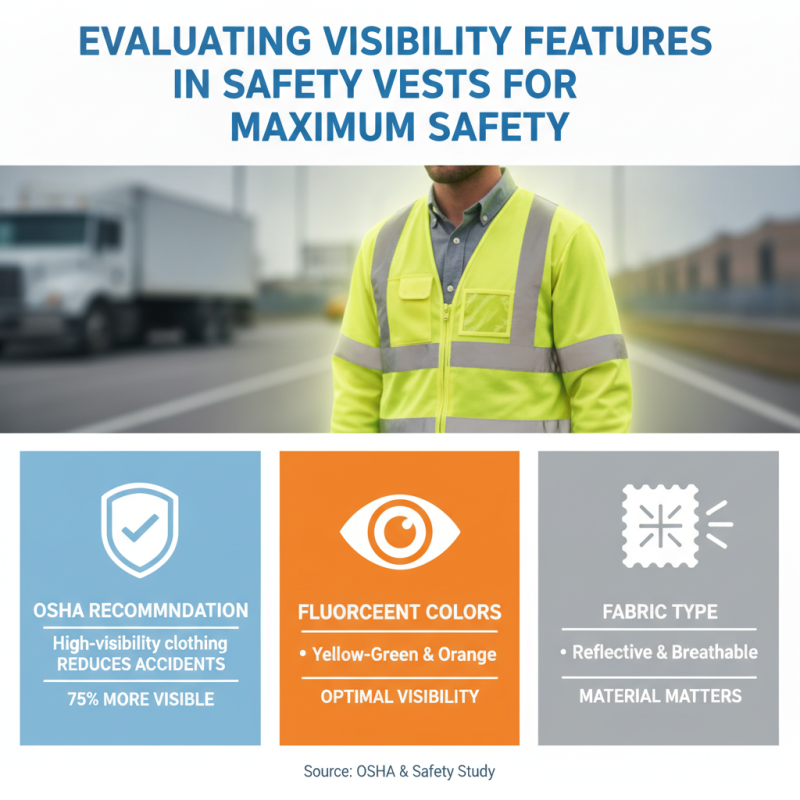
Moreover, consider your visibility requirements. Fluorescent colors and reflective strips enhance visibility. Studies suggest that wearing high-visibility gear reduces accident rates by nearly 30% in active worksites. However, having too many reflective elements can lead to a feeling of heaviness. Choose a vest that balances comfort with the necessary visibility for your specific tasks.
Choosing the Right Safety Vest for Your Needs
This chart illustrates the importance of various features when choosing a safety vest. High visibility is critical, followed by durable materials and weather resistance. Breathability and lightweight options are less prioritized but still pertinent to specific environments.
Determining the Appropriate Size and Fit for Comfort and Functionality
When choosing a safety vest, size and fit are crucial for comfort and functionality. An ill-fitting vest can hinder movement and reduce visibility. Measure your chest, waist, and length to find the best size. Online resources often provide sizing charts, but individual preferences may vary.
Tips: When trying vests, consider layering. If you wear bulky clothing, a larger vest may be needed. Walk around and stretch to test mobility.
The fit of a safety vest should allow for airflow. Fabric that hugs too tightly can trap heat, leading to discomfort. Look for vests with adjustable straps. They help to achieve a snug yet comfortable fit.
Keep in mind that colors and reflective strips matter too. A vest should be well-visible in various conditions. Don't overlook the importance of pockets and functionality. Some vests come with added features, but simplicity can also enhance usability. Make sure to try different styles to see which suits you best. A well-chosen safety vest can improve comfort on the job and ensure safety.
How to Choose the Right Safety Vest for Your Needs?
| Size |
Chest Measurement (inches) |
Vest Length (inches) |
Comfort Level |
Reflective Strips |
| Small |
34-36 |
24 |
Good |
Yes |
| Medium |
38-40 |
26 |
Very Good |
Yes |
| Large |
42-44 |
28 |
Excellent |
Yes |
| X-Large |
46-48 |
30 |
Excellent |
Yes |
| XX-Large |
50-52 |
32 |
Exceptional |
Yes |
Safety Vest Standards and Regulations You Should Know About
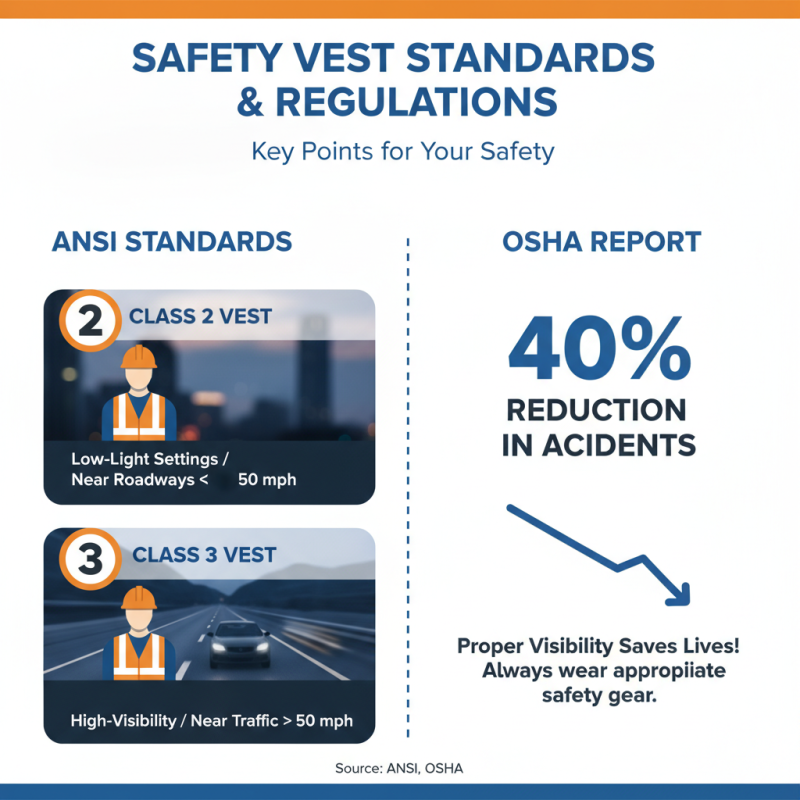
When choosing a safety vest, understanding the applicable standards and regulations is crucial. The American National Standards Institute (ANSI) has established specific visibility standards for different environments. Class 2 vests are suitable for workers in low-light settings, while Class 3 vests provide increased visibility for those working near traffic. According to a report from the Occupational Safety and Health Administration (OSHA), proper visibility can reduce the risk of accidents by over 40%.
Compliance with regulations is key. For instance, OSHA mandates that safety vests must meet ANSI standards for visibility. Many industries, particularly construction and transportation, require vests that are compliant with these norms. However, not all vests are created equal. Some may lack proper reflectivity or material quality. Ineffective vests pose a risk, potentially leading to injuries due to decreased visibility in hazardous settings.
Considering the environment is also essential. A vest suited for urban traffic may not be adequate for a construction site. Industry experts note that proper fit and comfort are often overlooked. A vest that's too loose may snag on equipment, while one that’s too tight can restrict movement. Taking the time to assess these details ensures that safety operations run smoothly, aligning with industry standards and enhancing worker safety.