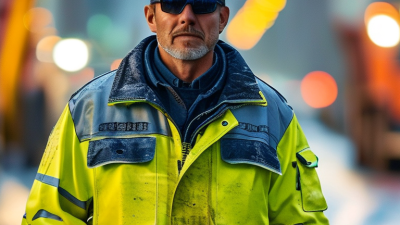
10 Safety Jacket Buying Tips for Global Buyers
Choosing a Safety Jacket for a global workforce is not just a color-and-price decision. The garment must suit the hazard, task, climate, and workers’ movements. A road crew near dawn may need wide reflective bands, while warehouse staff may value abrasion resistance and comfortable layering. Small details matter. Check seam strength, zipper operation, pocket placement, cuff fit, and fabric comfort over a full shift. Ask suppliers for size charts, material specifications, care instructions, and test documents for the exact model. Paperwork helps, but it cannot replace a physical sample. Try it with gloves, tools, and the layers workers will actually wear. Then inspect it after washing.
This guide presents ten practical buying tips, from defining workplace needs to checking samples, sizing, and supplier consistency. Requirements and accepted product specifications can differ by destination and worksite, so confirm them with qualified safety personnel before placing a large order. Compare quotations carefully: a low unit price may exclude customization, freight, or replacement support. Clarify production time, minimum quantities, color matching, and how defects will be handled. Keep written records of approved samples and specifications. They make repeat orders easier to assess. Even a careful checklist cannot predict every shift. Workers may find a collar restrictive or a pocket awkward only after several hours. That feedback deserves attention, even when the jacket looks right on paper.
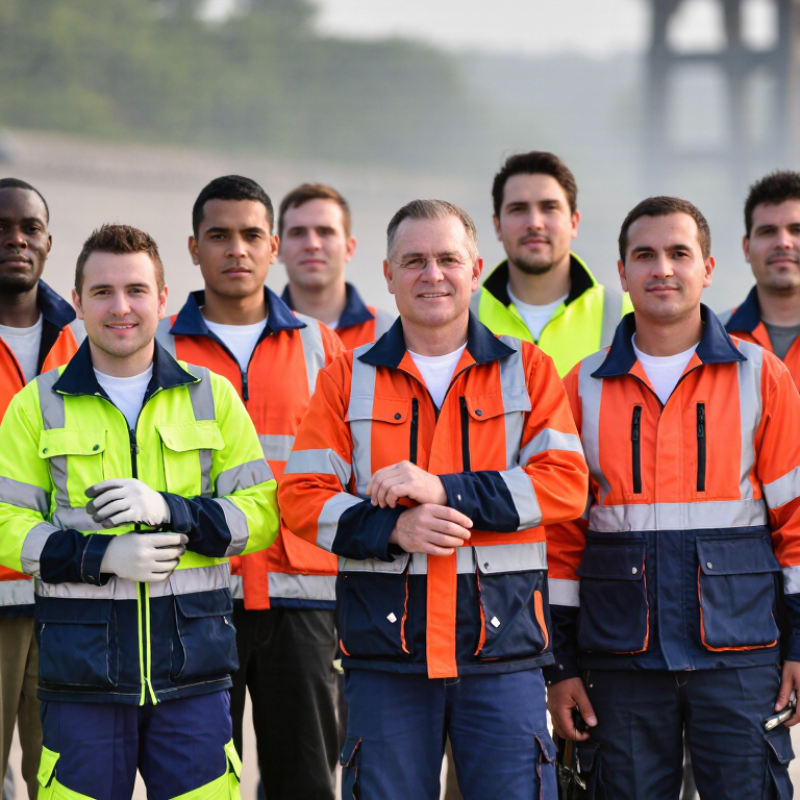
Match Worksite Risk to ANSI/ISEA 107 Visibility Classes 1–3
Choosing a safety jacket by color alone is a costly guess. ANSI/ISEA 107-2020 groups high-visibility apparel into Classes 1, 2, and 3, based on required visibility and garment coverage. Class 1 suits lower-risk settings with clear separation from moving vehicles. Class 2 adds visibility for busier sites, reduced light, or cluttered backgrounds. Class 3 provides the greatest coverage, including visibility of the wearer’s arms and legs. Small details matter. A jacket that hides reflective bands beneath a tool belt may not perform as intended.
Match the class to actual exposure, not just the worker’s job title. Consider vehicle speed, distance from traffic, lighting, weather, and how much time workers spend facing away from drivers. The U.S. Bureau of Labor Statistics reported 5,283 fatal work injuries in 2023; 1,942 involved transportation incidents, according to its Census of Fatal Occupational Injuries. Those figures do not measure jacket effectiveness, but they underscore why roadside risk deserves careful assessment. A Class 3 garment may be appropriate near fast-moving traffic or where sightlines are poor; lower-risk work may call for a different class. Check that the garment’s label identifies its ANSI/ISEA 107 class, and reassess when tasks or site conditions change. A vest alone may not solve the problem. That assumption is easy to make.
Check ANSI Class 2 Minimums: 775 in² Background, 201 in² Retroreflective
For an ANSI/ISEA 107 Class 2 safety jacket, check for at least 775 square inches of fluorescent background material and 201 square inches of retroreflective material. Confirm these figures on the garment label or supporting documentation, not only in a sales description. Ask which standard edition applies and whether the listed areas cover the size you are ordering. The amount and placement of material can vary across sizes. Numbers matter.
The minimum area is useful, but it does not tell the whole story. Check that reflective bands remain visible when the jacket is zipped, layered over work clothes, or partly covered by equipment. Try the jacket on while reaching and bending; tight folds can hide sections of tape. Also review care instructions, since dirt, abrasion, and repeated washing can reduce visibility over time. A compliant-looking jacket may still fit poorly, and that is easy to overlook during bulk purchasing. Request clear product records and inspect a sample before placing a large order.
Compare EN ISO 20471 Levels: Class 3 Requires 0.80 m² Fluorescent Area
When comparing EN ISO 20471 garments, check the class rather than relying on bright colour alone. Class 3 requires at least 0.80 m² of fluorescent material, plus the standard’s required retroreflective material. Fluorescent fabric helps during daylight and in poor weather; reflective bands return light toward their source. They serve different purposes. One cannot replace the other.
Ask suppliers for documentation showing the garment’s classification and the sizes covered. A jacket may have broad fluorescent panels in a large size, yet smaller versions can have less usable area. Check the actual sample, including sleeves, front panels, and reflective bands. Measure it.
Also consider how the jacket will be worn: a harness, tool belt, or open front can cover visible material. For some work settings, a compliant garment combination may be needed to achieve Class 3. I would not assume a matching vest automatically counts; confirm the tested combination in the documentation. Standards details can feel fussy, but a missing panel or covered band changes what workers can see. That is easy to overlook.
Choose Weather, Flame, and Antistatic Features by Their PPE Standards
A safety jacket should match the hazard, not just the forecast. For wet worksites, check the garment’s declared rain-protection performance under EN 343, including resistance to water penetration and breathability. A jacket that keeps rain out but traps heat can become uncomfortable during long shifts. Look for sealed seams, adjustable cuffs, and a hood that fits without blocking peripheral vision. Small details matter.
For road or construction work, confirm that high-visibility clothing meets the relevant standard for the destination market, such as EN ISO 20471 or ANSI/ISEA 107. Flame and heat hazards call for garments tested to standards such as EN ISO 11612; “flame-resistant” does not mean fireproof. Antistatic clothing may be specified under EN 1149-5, but it does not protect against electric shock. The full outfit, footwear, and site grounding procedures may also matter. Labels deserve a close look.
Ask suppliers for test documentation, the standard edition, and the garment’s intended use. Compare those details with a site-specific risk assessment rather than relying on a broad product description. Standards and conformity rules can differ by country, so verify the requirements where the jacket will be worn. I would also check care instructions: repeated washing or repairs can affect performance, and a damaged label leaves room for doubt.
10 Safety Jacket Buying Tips for Global Buyers
Choose weather, flame, and antistatic features according to the PPE standards required for the intended workplace.
EN ISO 20471 specifies minimum areas of fluorescent background material and retroreflective material for high-visibility garments. Check the garment’s certified class and applicable local requirements. Weather protection, flame resistance, and electrostatic properties are assessed under separate standards; this chart does not compare those features.
Approve Fit and Durability with Size Trials, Care Labels, and Test Reports
A size chart is a starting point, not proof of fit. Request size samples across the range, then have wearers try them over the layers used on site. Ask them to reach overhead, bend, kneel, and sit. Check sleeve coverage, shoulder movement, and whether closures stay secure without pulling. Record wearer height, chest measurement, and chosen size; this makes feedback more useful than “too tight.” Small details matter.
A short fitting session can miss problems. Let several workers wear the jacket through a normal shift, including in warm conditions. Note snagging, restricted movement, and whether pockets remain accessible with gloves. Compare samples from different sizes, since grading can make larger sizes feel unexpectedly bulky. One trial is not enough, but repeating every test may be impractical. Decide what risk matters most for the intended job.
Read care labels before approving bulk production. Confirm washing temperature, drying method, and any limits on repeated laundering. Then compare those instructions with test reports for the actual fabric and garment construction, not just a similar material. Check the sample description, test date, methods, and results; ask for clarification when details are missing. Reports support a decision, but they do not guarantee that every production jacket will perform identically. Keep an approved sample and inspect incoming garments against it.