Who Are the Top 10 Hi Vis Jacket Manufacturers in China?
Choosing a hi-vis jacket manufacturer in China involves more than comparing prices. Buyers need to understand product quality, production capacity, communication, and customization options. A jacket may look suitable in a product photo, yet details such as reflective tape placement, seam strength, and zipper performance matter in daily use.
Small details matter. The phrase “Jacket Hi Vis” can describe a broad range of workwear, from lightweight outer layers to insulated jackets with multiple pockets. This guide introduces ten manufacturers to help buyers begin their research. It considers practical factors such as product range, material choices, sample availability, and experience serving international customers. These points can help readers prepare better questions before requesting a quote.
A shortlist is not a guarantee of quality. Manufacturing capabilities and service can vary by factory, product, and order size. Ask suppliers for current specifications, clear photographs, and samples where possible. Check details that affect real use, including fabric weight, reflective trim, stitching, closures, and size consistency. It is also sensible to confirm production timelines and how defects or changes are handled. Some information may be difficult to verify from a website alone. That is worth remembering. The manufacturers featured here offer starting points for comparison, not a substitute for careful evaluation. By checking claims directly and matching each supplier’s strengths to the intended work environment, buyers can make a more informed decision.
What Hi-Vis Jackets Are and How They Are Used
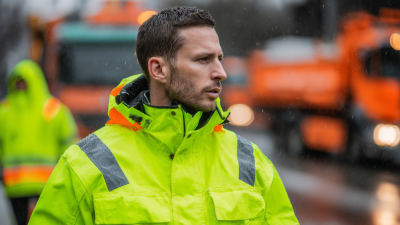
Hi-vis jackets make workers easier to notice by combining bright background fabric with reflective bands. Fluorescent yellow-green or orange fabric helps during daylight and overcast weather. Retroreflective strips return light toward its source, such as vehicle headlights after dusk.
Visibility matters. But a jacket cannot replace safe work practices or traffic controls.
The need is measurable. The National Highway Traffic Safety Administration reported 891 deaths in work-zone crashes in 2022. That figure covers all people killed, not only workers, but it shows the hazards around active roads.
ANSI/ISEA 107 classifies high-visibility apparel by garment design and visibility level. In practice, employers should consider traffic speed, distance, weather, and whether workers are near moving vehicles when choosing a jacket.
Fit matters too: oversized sleeves can snag, while bulky layers may hide reflective bands. A jacket can also become less effective when dirty, worn, or covered by equipment.
This is easy to overlook.
Inspecting garments regularly and keeping reflective areas unobstructed are simple steps, though they do not guarantee that a worker will always be seen.
How to Assess Hi-Vis Jacket Manufacturers in China
Assessing a hi-vis jacket manufacturer starts with the garment, not the sales brochure.
Ask for a sample in the exact fabric, color, and trim you plan to order. Check whether the reflective bands lie flat across the chest and sleeves. Pull gently at the seams, then inspect the stitching around pockets and zippers. Small flaws often appear there first.
Request written fabric specifications, test reports, and details of the factory’s quality checks. Confirm that reports match the offered material and garment design; a document for a different fabric proves little. Ask how samples are inspected and how defects are recorded during production. Details matter. A clear answer should describe actual steps, not just promise “strict quality control.” If possible, arrange an independent inspection before shipment.
Production capacity also deserves careful checking. Compare the quoted lead time with the supplier’s staffing, equipment, and current workload. Ask how size changes, replacement components, and late design updates are handled. Communication can reveal gaps: slow answers about basic measurements may signal trouble later. Ask again. No checklist guarantees a smooth order, and I would not treat one successful sample as proof of consistent production. Inspect repeat samples or a pilot batch before committing to a larger quantity.
Top 10 Hi-Vis Jacket Manufacturers in China
China’s top 10 hi-vis jacket manufacturers are best compared by measurable production capabilities, not catalogue photos. Check fabric specifications, reflective tape placement, sample consistency, and documented quality checks. Ask for close-up stitching photos and a wash-test report. Small details matter.
The International Labour Organization’s 2023 global estimates report nearly 3 million work-related deaths and 395 million non-fatal work injuries each year. That context makes visibility-focused workwear important, but a jacket cannot prevent every incident. Buyers should compare designs against relevant standards, such as ISO 20471, and confirm that the garment’s intended use matches the wearer’s risks. A certificate alone is not enough; verify its scope and validity.
For a practical top-10 shortlist, compare each Chinese manufacturer’s fabric options, reflective-material sourcing, size range, sample lead time, and capacity for repeat orders. Request a pre-production sample and inspect it under low-light conditions. Also ask how suppliers control colour variation between batches. This is where a neat sample can mislead. I would treat published capacity figures cautiously unless supported by production records or an independent audit. Shortlist quality depends on evidence, not claims.
How Chinese Manufacturers Differ in Products and Capabilities
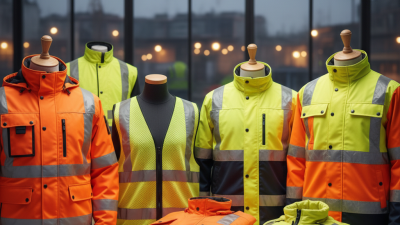
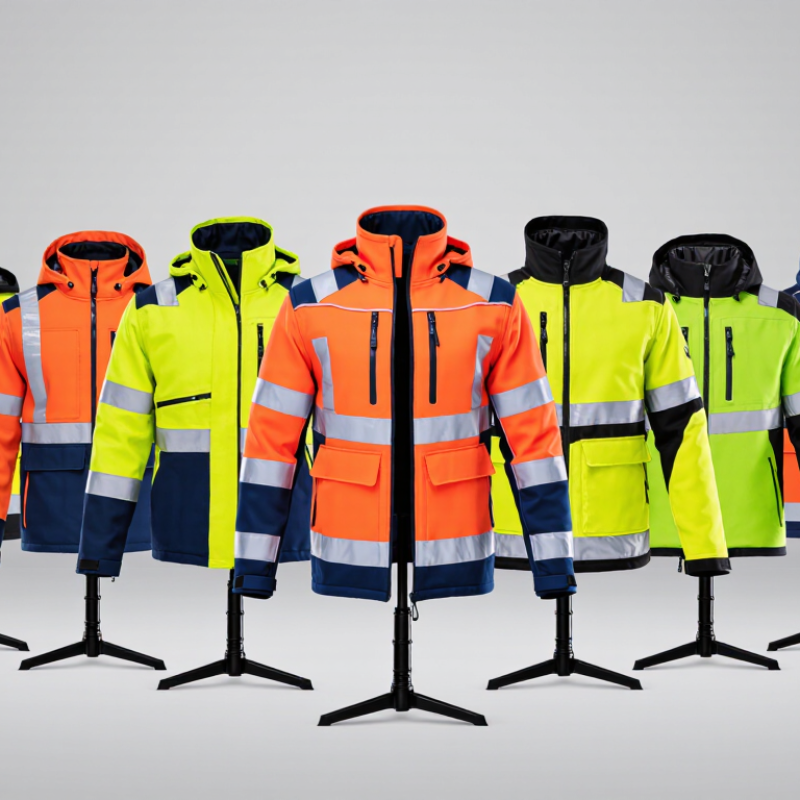
Chinese hi-vis jacket manufacturers differ less by catalog size than by how they control materials, fit, and repeatability. Some focus on lightweight polyester shells for warm, active worksites. Others make insulated, waterproof jackets with sealed seams, storm flaps, and detachable liners. Details matter. A sample may look bright under showroom lights yet perform differently after repeated washing or exposure to dust. Ask for fabric specifications, reflective tape placement, and test records tied to the exact model.
Production strengths vary too. A factory with automated cutting may hold panel dimensions more consistently across large orders. Smaller workshops can sometimes accommodate unusual pockets, color blocking, or short pilot runs, but delivery capacity may be less predictable. Neither setup is automatically better. Check how sizing is graded, how replacement trims are sourced, and whether the approved sample matches bulk production. A sleeve-length issue is easy to miss on a table.
Communication and quality control are another dividing line. Capable suppliers document inspection points, photograph defects, and explain what happens when fabric lots change. Ask who checks reflective strips, zippers, and stitching before packing, and request a clear sampling schedule. Answers should be specific, not polished slogans. I would still verify claims independently; paperwork can lag behind actual production. Testing jackets in real working conditions may also reveal awkward fit or restricted movement, a step that is sometimes overlooked.
What to Consider When Choosing a Manufacturer
Choosing a hi-vis jacket manufacturer involves more than comparing unit prices. Ask how fabric weight, reflective tape placement, seams, and sizing are checked during production. Request a sample in your intended fabric and color, then inspect it in daylight and low light. Try it over the layers workers actually wear. A jacket that looks bright on a desk may restrict movement during a cold, wet shift. Details matter.
Tips: Request test reports for the exact jacket model, not just a similar product. Ask about quality checks, sample approval, minimum order quantities, and realistic delivery times. Confirm how sizing changes are handled before placing a large order.
Check the garment’s inside stitching, zipper action, pocket depth, and tape adhesion after gentle washing. These details affect daily use. Ask the manufacturer to explain material options in plain terms, and compare written specifications with the sample. Even experienced buyers can miss a sizing mismatch until a full shift. Some uncertainty remains, so keep notes from wear trials and share specific feedback before approving production.